

“Recent breakthroughs reveal that the cowpea mosaic virus—a plant pathogen—could rapidly revolutionize our understanding of immunity in humans.”
Did you know? Recent research shows that a simple plant virus, previously known for causing patterns on bean leaves, may become a ground-breaking ally in fighting major human diseases
A Surprising Start: Researchers Have Discovered That Cowpea Mosaic Virus Could Boost Immunity
Scientific curiosity and the persistent search for safer, more effective treatments lie at the heart of medical progress. In a surprising turn, researchers have discovered that cowpea mosaic virus, a virus harmless to humans, can stimulate powerful immune responses. Unlike many agents explored in the past, this plant virus stands out not for causing problems—but for its unique ability to activate the human immune system without risking our health. Studies, particularly from UC San Diego and collaborating institutions, reveal promising evidence: the cowpea mosaic virus (CPMV) can safely "train" immune cells, equipping them to recognize and combat cancer cells and potential pathogens with enhanced readiness.
What sets this discovery apart is the mosaic virus’s harmlessness to humans. Plant viruses like CPMV cannot infect human cells due to fundamental differences in cellular biology—meaning they can interact with, but not invade, our bodies. Instead, their unique structure seems to serve as a "training dummy" for the immune system, provoking a strong, helpful response without actual infection risk. As a result, early research points to a future where plant viruses may serve as safe, effective platforms for cancer immunotherapy and vaccination strategies in clinical trials worldwide.
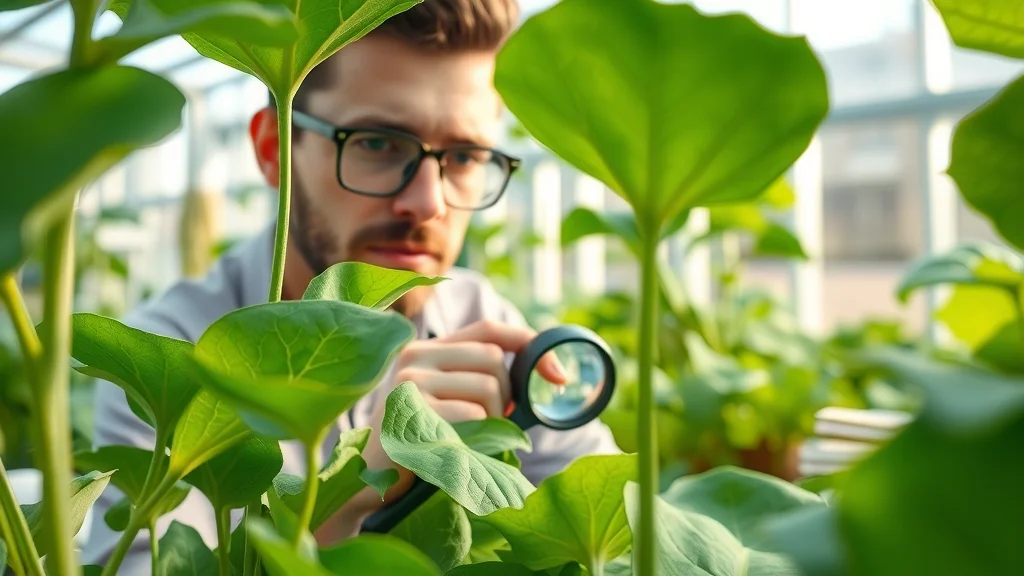
An Unconventional Fact About Plant Viruses and Human Health
It may seem counterintuitive, but plant viruses — traditionally viewed as threats to crops — are now taking center stage in cutting-edge immunology. The cowpea mosaic virus is harmless to people, yet its presence in laboratory studies demonstrates robust stimulation of the human immune system. Researchers, like those at UC San Diego's Jacobs School of Engineering, are exploring how the unique protein structures of plant viruses act as signals, recruiting immune cells to attack abnormal or cancerous tissues. It’s a stunning reversal: the same virus that paints abstract patterns on bean plants holds the promise for next-generation therapies in humans.
The concept of using plant viruses as immune system modulators is gaining traction, and innovative communication tools are helping researchers and clinicians share these findings more effectively. For example, platforms like video email solutions are increasingly used to deliver complex scientific updates and patient education in a more engaging, visual format.
What You'll Learn in This Opinion Piece on Cowpea Mosaic Virus and Immune System Stimulation
The role of the cowpea mosaic virus in immune system activation
Why the mosaic virus is harmless to humans
How plant viruses like the cowpea mosaic virus may impact cancer immunotherapy
Key findings from UC San Diego and other research teams
Implications for future clinical trials and therapies
Introducing the Cowpea Mosaic Virus: A Plant Virus Redefining Boundaries
What is the Cowpea Mosaic Virus and How is It Different from Other Plant Viruses?
The cowpea mosaic virus (CPMV) is a type of plant virus that primarily infects black-eyed peas and several other legumes. Unlike many pathogens that threaten the food supply, CPMV presents no risk to humans or animals. What distinguishes CPMV from other plant viruses is its uniquely stable, symmetrical structure—making it a valuable model system for biotechnologists. While most plant viruses succumb to environmental stress or break apart when purified, CPMV remains intact, highly stable, and easy to produce in laboratory settings. These features are central to its appeal for immunology and therapy research, where safe, reproducible biological agents are essential.
The difference also lies in CPMV’s inability to cross from plants to people. Human and plant biology diverge on a fundamental level; the virus can only replicate within plant cells, as it relies on host mechanisms absent in humans. This distinction not only guarantees its safety but also enables researchers to focus on the virus’s immunostimulatory properties with confidence. By serving as a harmless, visible signal, CPMV opens doors to study human immune system responses in ways that traditional, risky pathogens simply cannot.
Mosaic Virus Structure and Why It Matters in Immune System Activation
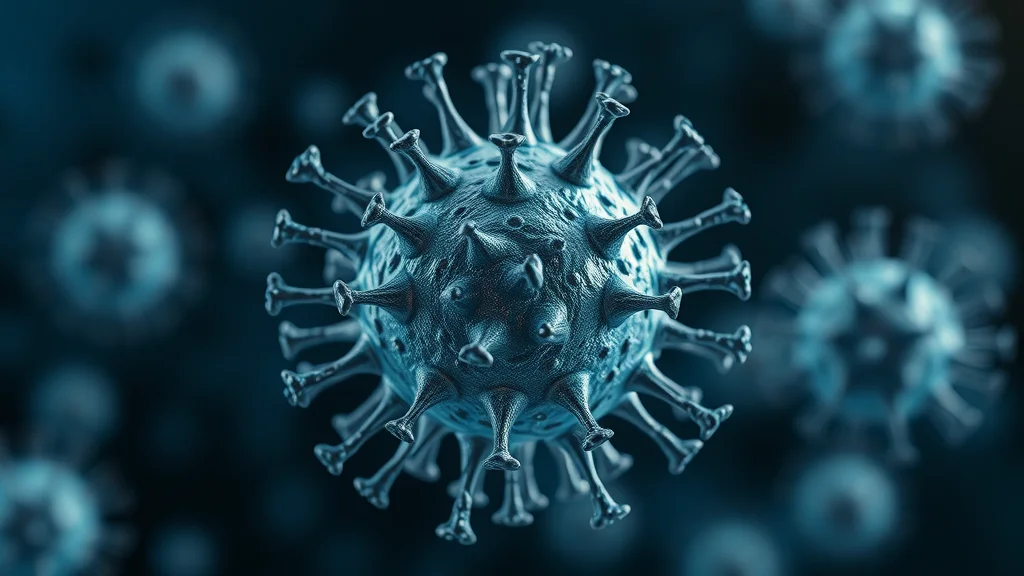
The secret to how cowpea mosaic virus boosts immune responses lies in its structure. Under the microscope, CPMV appears as a perfectly symmetrical icosahedral particle, bristling with protein spikes and molecular motifs foreign to the human body. These intricate shapes instantly attract and activate human immune cells—especially dendritic cells, macrophages, and natural killer cells—which are responsible for launching swift and powerful immune responses. When scientists inject CPMV into animal models or present its particles to immune cells in a petri dish, the results are remarkable: enhanced activation, increased cytokine production, and even improved anti-tumor activity in mouse models.
Why structure matters: Many immunotherapies rely on the immune system’s ability to recognize and remember threats. CPMV’s stable coat proteins act almost like a "red flag," grabbing the attention of immune sentinels and compelling them to mount a defense. This mechanism of action, unique to CPMV and a handful of other plant viruses, allows researchers to safely experiment with immune modulation—balancing strong response with low risk.
Researchers Have Discovered That Cowpea Mosaic Virus, a Virus Harmless to Humans, Can Stimulate Powerful Immune Responses
Unpacking the Groundbreaking Research: Insights from UC San Diego
UC San Diego, particularly the renowned Jacobs School of Engineering, has played a leading role in CPMV research. Teams including Dr. Nicole Steinmetz—an expert in chemical and nano engineering—have published influential studies on how CPMV’s unique physical characteristics "prime" human immune cells. Their present study used mouse models to demonstrate that injecting CPMV into tumors sparks an influx of immune cells and an instant immune response. The virus triggers macrophages and dendritic cells to rush to the tumor microenvironment, resulting in visible tumor shrinkage in both mouse models and isolated human immune cells in vitro.
Backed by grants from the National Institutes of Health and other agencies, UC San Diego researchers are now moving rapidly toward clinical trials. By establishing CPMV’s efficacy and safety in both animal and laboratory settings, the university is paving the way for a new class of plant virus-based immunotherapies that could revolutionize cancer care and infectious disease prevention.
How the Cowpea Mosaic Virus Trains the Immune System for Battle
Building immunity is all about "teaching" immune cells to recognize and destroy dangerous invaders. In CPMV studies, researchers noted that simply introducing the inactivated virus into the body triggers macrophages, natural killer cells, and other immune fighters to treat CPMV-coated cells as threats. This "practice run" not only enhances recognition of viral patterns but also improves the body’s ability to seek out cancerous cells and abnormal tissues.
Just as a vaccine primes the immune system to remember and react faster, CPMV appears to act as a super-charged immune training system—without the risk of infection. Early promise in mouse models and human immune cell cultures shows CPMV could be a strong lead candidate for future injectable treatments in immunotherapy, making expansion to human clinical trials a matter of "when," not "if."
“Unlike most plant viruses, the cowpea mosaic does not infect humans, making it an ideal agent for immune modulation.” — Leading UC San Diego Immunologist
Comparison of Cowpea Mosaic Virus and Other Plant Viruses in Immune Stimulation |
||||
Plant Virus |
Host Range |
Risk to Humans |
Immune Activation in Mammals |
Current Use in Research |
|---|---|---|---|---|
Cowpea Mosaic Virus (CPMV) |
Legume Plants |
None |
High |
Cancer immunotherapy, vaccine platforms |
Tobacco Mosaic Virus |
Tobacco, Tomato |
None |
Moderate |
Nanotechnology, vaccine carriers |
Cucumber Mosaic Virus |
Cucumbers, Squash |
None |
Low |
Limited use |
Potato Virus Y |
Potatoes, Tomato |
None |
Unknown |
Rare |
The Mosaic Virus and Cancer Cells: A New Frontier for Cancer Immunotherapy
Can Cowpea Mosaic Virus Teach the Immune System to Attack Cancer Cells?
Arguably the most exciting application of CPMV lies in cancer immunotherapy. Conventional treatments like chemotherapy or radiation often carry harsh side effects and, sometimes, limited effectiveness against rapidly mutating cancerous cells. In UC San Diego’s experiments, CPMV was used to "decorate" cancer cells in mouse models, prompting the immune system to view the cells as foreign and attack them vigorously. This unique mechanism of action—called in situ vaccination—shows the immune system can be "taught" to target tumors, improving survival and, in some tests, completely eradicating cancerous tissue.
Because the mosaic virus is harmless to humans, it’s possible to use high doses for maximal effect without risking accidental infection. These findings have propelled CPMV into the spotlight as a next-generation tool for personalizing and strengthening anti-cancer immune responses. The data so far suggests that, with the right approach, the cowpea mosaic virus could one day become a key ingredient in cancer vaccines and therapeutic regimens.

Plant Viruses in Clinical Trials: Promise and Pitfalls
Transitioning from laboratory breakthroughs to clinical trials is a careful process. Early human studies are being designed to test the safety, dosages, and immune-stimulating effects of plant virus-based therapies like CPMV in patients with hard-to-treat cancers. While preclinical data is encouraging, challenges remain in translating efficacy from animal models to the complexity of human biology. Questions around long-term effects, precise dosing, and best delivery methods must be answered through carefully monitored studies.
Nevertheless, the promise is real. If CPMV, proven in the lab and mouse models, performs well in clinical trials, it could usher in a revolution in oncology and beyond. The current momentum from grant support, public-private partnerships, and global scientific interest ensures the path to human therapies will advance rapidly—potentially cementing CPMV as a safe, powerful tool for battling both cancer and infectious diseases.
From Farms to Pharma: Why UC San Diego and Other Teams Pursue Plant Virus Research
San Diego’s Pioneering Role in Plant Virus and Immune System Studies
The field of plant virus research is thriving, particularly at universities like UC San Diego, where teams from the Jacobs School of Engineering work closely with plant biologists and immunologists. The region’s spirit of innovation and cross-disciplinary collaboration has yielded a steady pipeline of patent filings, publications, and new treatment concepts. Unexpected findings from early clinical trials underscore not only the vast potential of CPMV but also the essential role of curiosity-driven science.
From the farms where CPMV is harvested to high-tech labs in San Diego, every step highlights how plant virology can bridge agricultural science and medicine. By bringing together experts in immune cell biology, molecular engineering, and clinical practice under one roof, UC San Diego and its partners set global standards for safety, efficacy, and speedy translation from lab bench to bedside.

Collaborative efforts between plant biologists and immunologists
Unexpected findings from early clinical trials
Role of UC San Diego and other leading institutions
Opinion: Why Research into Cowpea Mosaic Virus Matters Now More Than Ever
Potential Impact on Future Cancer Immunotherapy and Infectious Disease Prevention
As cancer rates rise and emerging pathogens threaten global public health, novel immune therapies are urgently needed. Cowpea mosaic virus research represents a turning point—a shift from solely relying on human or animal viruses (which carry infection risks) to deploying safe, robust plant-based platforms. If ongoing clinical trials in the US and abroad succeed, CPMV could give rise to new classes of immunotherapies with broad applications: from boosting attack on cancer cells to accelerating vaccine development for viruses that jump from animals to humans.
For patients and doctors, this means hope: safer treatments, fewer side effects, and the possibility of eradicating tumors or resisting infections before they take hold. Now, more than ever, investment in—and public awareness of—plant virus research is vital for next-generation health security.
“If these clinical trials succeed, plant virus-based therapies could become a game-changer for patients worldwide.”
Is the Cowpea Mosaic Virus Harmful to Humans? Dispelling the Myths
Examining Safety: Why the Mosaic Virus Presents No Threat to Humans
A central message from UC San Diego and other research groups is crystal clear: Cowpea mosaic virus does not infect humans. Its plant-specific pathway prevents any entry or replication in human cells—even under high exposure in the lab. Long-term dietary intake, such as eating black-eyed peas with natural CPMV traces, presents zero risk. Instead, the research emphasizes the virus’s ability to enhance immune response without side effects.
Compared to other viruses—particularly those that have caused human epidemics—CPMV holds a nearly unmatched safety record. Studies show no transmission risk to people, animals, or even insects that consume affected plants. Ongoing investigations into CPMV’s mechanism of action aim to unlock novel benefits for medical science, free from the drawbacks of conventional viral vectors.

Safety Assessment of Cowpea Mosaic Virus vs. Other Common Viruses |
||||
Virus |
Primary Host |
Human Infection Risk |
Use in Immunotherapy |
Reported Side Effects |
|---|---|---|---|---|
Cowpea Mosaic Virus (CPMV) |
Plants (Legumes) |
None |
Yes |
None |
Influenza Virus |
Humans, Animals |
High |
No |
Fever, cough, fatigue |
Human Adenovirus |
Humans |
High |
Occasionally |
Mild to moderate illness |
Tobacco Mosaic Virus |
Plants |
None |
Sometimes |
None |
Frequently Asked Questions About Plant Viruses, Cowpea Mosaic Virus, and the Immune System
Is mosaic virus harmful to humans?
Answer: The cowpea mosaic virus is harmless to humans due to its plant-specific pathway and inability to infect human cells.
What is the cowpea mosaic virus?
Answer: The cowpea mosaic virus is a plant virus, originally identified in black-eyed peas, that researchers have found can elicit a strong immune response in mammals.
What plant virus trains the immune system?
Answer: Studies, including those from UC San Diego, show that the cowpea mosaic virus can prime the immune system without causing human infection.
What virus in black eyed peas teaches your immune system to fight cancer?
Answer: The cowpea mosaic virus, found in black-eyed peas, is under research for its ability to stimulate immune responses that may help target cancer cells.
Key Takeaways: Researchers Have Discovered That Cowpea Mosaic Virus Can Unlock Immune System Potential
The cowpea mosaic virus is harmless to humans yet powerful in immune activation
Groundbreaking research in UC San Diego and beyond is rapidly evolving
Potential applications for cancer immunotherapy and clinical trials are on the horizon
Ongoing studies aim to leverage plant viruses for innovative immune therapies

In Conclusion: The Unfolding Power of the Cowpea Mosaic Virus in Human Immunity
Continuing Research and the Next Steps for Plant Virus-Based Therapies
Researchers have discovered that cowpea mosaic virus, a virus harmless to humans, can stimulate powerful immune responses. As research grows, CPMV may soon shift from plant pathology footnote to medicine’s next big breakthrough.
As the science behind plant viruses and immune system modulation continues to evolve, staying informed is essential for anyone interested in the future of medicine. If you’re curious about how innovative communication methods can accelerate the adoption of new therapies and keep patients, clinicians, and researchers connected, explore the possibilities offered by advanced video email technology. Leveraging such tools can help bridge the gap between groundbreaking discoveries and real-world impact, ensuring that the latest insights in immunotherapy reach those who need them most. Dive deeper into how digital solutions are shaping the next era of healthcare communication and collaboration.
Explore the Latest in Immunotherapy: Stay Informed with Our Updates
Stay ahead of the curve on new cancer immunotherapy and immune system breakthroughs by subscribing to our newsletter and following updates from UC San Diego and other leading research institutions.
Sources:










Write A Comment