

Parallel Health World News Logo
update

Parallel Health World

cropper
update
  • Home
  • Categories
    • EcoHealth Trends
    • Healing Naturally
    • Age-Defying Diets
    • Supplement Savvy
    • Mind-Body Synergy
    • Finance and Health
    • Biolimitless
    • Tech Hacks
    • Health & Medicine
    • Political
    • BioBuzz
    • Holistic Rehabilitation Techniques
    • Practitioner Insights
    • AI In Healthcare
  • Featured Business Profiles
April 22.2025
2 Minutes Read

Is Microsoft’s Recall Feature a Convenient Tool or a Privacy Nightmare?

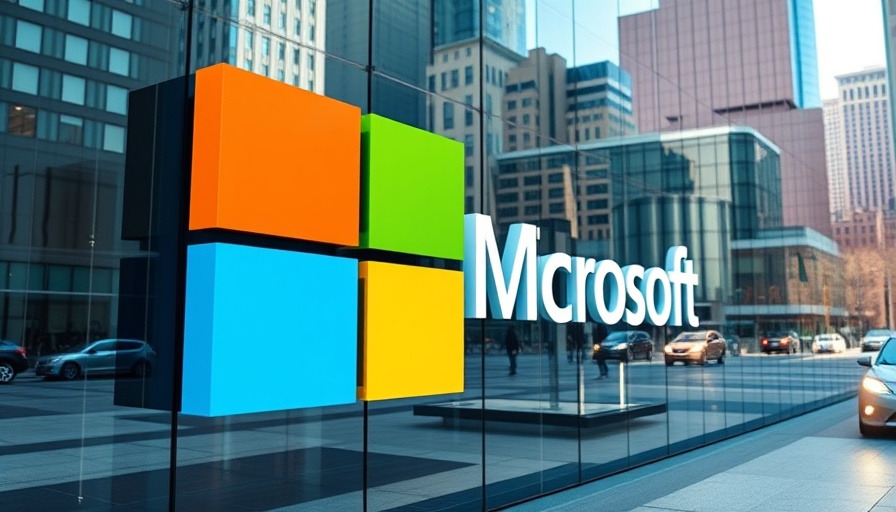
Microsoft building with logo reflecting cityscape, symbolizing surveillance.

The Dark Side of Convenience: Microsoft’s New Recall Feature

Recently, Microsoft has come under fire for its controversial Recall feature, which promises to simplify user experiences but raises significant ethical concerns. This built-in tool captures screenshots of user activities at regular intervals, documenting everything from mundane tasks to sensitive communications. Although Microsoft presents this as a convenience, many view it as an invasive surveillance tactic that compromises user privacy.

Privacy Invasion: A New Normal?

This opt-in feature has sparked heated debates surrounding privacy rights. As more individuals enable Recall, the risk escalates for friends, family, or coworkers whose interactions are captured without consent. This aspect particularly raises issues about trust in digital communications. Imagine being hesitant to discuss personal topics due to concerns that they might be captured and stored by another person’s device.

Legal Risks and Implications

The searchable nature of the Recall feature could also have troubling implications in legal proceedings. Information captured could easily be misused, leading to distorted narratives or even blackmail opportunities. Users need to be aware that what they share, even in a private conversation, could enter a larger digital archive without their knowledge.

The Broader Context: Tech Giants and Surveillance Culture

This latest move by Microsoft highlights a troubling trend among technology companies where the line between convenience and invasive surveillance becomes increasingly blurred. The rise of smart devices and ubiquitous technologies has led us down a path where privacy seems to take a backseat to perceived enhancements in efficiency. As a society, we must critically evaluate the costs of these advancements and consider the loss of privacy rights at every turn.

Final Thoughts: Stay Informed and Skeptical

As tech evolves, so too must our understanding of how it affects our lives. Awareness of features like Microsoft’s Recall can empower users to make more informed choices about their digital footprints. It’s vital to challenge the notion that surveillance is simply an acceptable trade-off for convenience.

Health & Medicine

44 Views

0 Comments

Write A Comment

*
*
Please complete the captcha to submit your comment.
Related Posts All Posts
05.29.2026

Trump's Threats Over Strait of Hormuz Fees: A Geopolitical Flashpoint

Update Trump's Ultimatum: A Dangerous New Phase in Hormuz Politics In a shocking escalation of rhetoric, President Donald Trump recently declared that Oman could face dire consequences if it continues to engage in discussions with Iran regarding fees for navigating the Strait of Hormuz. This nearly unprecedented threat to a long-standing ally underscores the increasing geopolitical tensions surrounding one of the world’s most critical waterways. A Shifting Landscape in Persian Gulf Diplomacy Historically, Oman has served as a mediator between Washington and Tehran, maintaining a neutral stance and facilitating discreet dialogues. Trump's alarming remarks highlight a significant shift, suggesting that any arrangement allowing Iran to control this vital maritime corridor is non-negotiable. His claim that "Oman will behave just like everybody else or we’ll have to blow ’em up" reflects an alarming transactional view of international relations, particularly as it pertains to security and maritime law. With the Strait of Hormuz accounting for about 20% of global oil and liquefied natural gas shipments, the stakes are incredibly high. If Iran and Oman proceed with their talks on maritime fees, it could pave the way for a framework that grants Iran indirect control over a crucial international waterway, thereby diminishing U.S. influence. The Implications of Charging Fees Trump's threats came amidst reports that Iran and Oman were discussing a potential maritime fee structure. Trump's staunch opposition to any Iranian control over the strait points to a broader concern; the idea of a toll, whether viewed as a "service fee" or otherwise, represents a potential violation of international laws regulating maritime traffic. Legal experts warn that charging ships to pass through this critical passage could be viewed as extortion, further complicating diplomatic relations between the United States, Oman, and Iran. As Gulf nations anxiously monitor these developments, the voices of regional players like the United Arab Emirates have already spoken up against such arrangements, claiming that they threaten the principle of free passage in international waters. Looking Ahead: A Dangerous Dance The situation in the Strait of Hormuz exemplifies the complexities of contemporary geopolitics where military, economic, and legal factors intersect. Trump's statements are not merely bluster but reflect a profound anxiety about the future balance of power in the Gulf and the influence of Iran. As the U.S. maintains a firm stance against any arrangements that would allow Iranian control over the strait, it's evident that the upcoming interactions concerning Hormuz will be laden with tension and potential conflict. Where do we go from here? With the U.S. drawing red lines and regional powers vying for influence, the groundwork is being laid for possibly one of the most crucial diplomatic challenges of our time.

05.28.2026

WELL Health Welcomes Derek Clark as COO: Strategies for Healthcare Innovation

Update WELL Health Expands Leadership with Derek Clark as COO In a pivotal move, WELL Health Technologies Corp., renowned for its innovative healthcare and digital health solutions, has appointed Derek Clark as its Chief Operating Officer (COO). This decision comes at an exciting juncture for the company as it gears up for its next phase of growth and enhanced operational execution. Derek Clark: A Veteran in Healthcare Leadership Derek Clark, a seasoned executive with over 20 years of substantial experience in healthcare leadership, brings a wealth of knowledge in digital health, diagnostic imaging, and clinical services. His previous role as President of Essential Industries at Calian Group Ltd. allowed him to lead a diverse array of services encompassing clinical health, technology, and energy, underscoring his capability in driving complex portfolios successfully. Importantly, during his tenure at GE Healthcare, he managed a $2.5 billion portfolio and cultivated growth across various sectors, including healthcare, energy, and industrial businesses. The Significance of the Transition WELL Health's Chairman and CEO, Hamed Shahbazi, expressed optimism about Clark’s appointment, highlighting that it aligns well with WELL's ambitious growth strategy. As the company continues to establish itself as Canada's leading outpatient healthcare provider, Clark’s extensive experience in M&A integration and operational management is anticipated to be critical in optimizing WELL's service offerings. His operational acumen is expected to foster a culture of innovation and implementation, essential for scaling WELL’s health solutions. Strategic Focus: Enhancing Operational Capabilities As COO, Clark will primarily focus on enhancing operational efficiencies, scalability, and cross-functional collaboration across WELL's extensive portfolio. His initiatives will include strengthening operational discipline and supporting strategic growth strategies that reflect the rising demand for technology-enabled healthcare solutions. This forward-thinking approach positions WELL to maximize its potential at a time when the intersection of technology and health is more important than ever. A Vision for Future Growth “I am excited to join WELL at such an important stage in the Company's evolution,” remarked Clark. His commitment to empowering healthcare practitioners continues to resonate with WELL's mission of positively impacting patient health outcomes through advanced technological solutions. Supporting Healthcare Practices with Technology WELL Health Technologies Corp. is recognized as Canada’s largest outpatient healthcare provider, with more than 250 clinics operating nationwide. Their investment in technology, including electronic medical records and AI-driven clinical tools, reflects a broader trend in healthcare towards digitization and efficiency. With Clark's leadership, these capabilities are expected to expand, ultimately benefiting millions of patients annually. Conclusion The health tech landscape is evolving rapidly, and WELL Health's strategic moves signal a powerful commitment to enhancing healthcare delivery through technology. Derek Clark's experience and leadership are poised to play a major role in driving this progress. As the healthcare sector continues to innovate, tracking these developments will be essential for stakeholders across the industry. Engage with us as we monitor the impact of leadership changes on healthcare innovation and explore the broader implications for digital health solutions.

05.27.2026

Food Scarcity Crisis: Understanding Why Calories Are Essential

Update Food Scarcity: More Than Just a CrisisThe warning bells about food scarcity have reached a deafening volume, underscoring why calories are emerging as the most valuable commodity in today’s world. A confluence of geopolitical tensions and environmental challenges has exacerbated an already fragile global food system. As highlighted by numerous experts, including David DuByne, the disruptions to fertilizer supplies from the Persian Gulf are pushing us towards an unprecedented crisis, where the very foundation of food production is at stake.Understanding the Triple Threat to Food ProductionAt the heart of our food production challenges lies a troubling 'triple whammy': the cessation of fertilizer supplies, soaring fuel prices, and increasing pest pressures. The Strait of Hormuz, a critical passage for a significant portion of the world’s fertilizers and oils, faces severe logistical challenges due to geopolitical unrest. As noted in a recent report by Al Jazeera, nearly half of the world’s traded fertilizers originate from the Gulf, and disruptions here threaten to decimate crop yields globally.The Hidden Fuel Crisis - Implications on AgricultureThe looming energy crisis, characterized by a shrinking supply of diesel, poses a colossal threat to food transportation and production. When farm machinery halts because of fuel shortages, the entire food distribution mechanism collapses, creating a ripple effect that spreads food insecurity. Michael Snyder’s cautionary insights regarding potential diesel shortages only reinforce the need to scrutinize our logistical networks and prepare for fuel-dependent agricultural operations to grind to a halt.The Human Impact - Increased Hunger and Food PricesWith the repercussions of rising food and fuel prices already evident, vulnerable populations are at risk of being pushed further into food insecurity. The World Food Programme has emphasized that escalating humanitarian needs could see many on the brink of starvation, especially as supplies dwindle. Rising food prices are not just statistics; they translate into real hardships for families struggling to meet their daily caloric needs.Actions We Can Take - Preparing for Food IndependenceAs we navigate through these turbulent times, discussion must shift towards actionable strategies for achieving food independence. Simple steps, such as promoting local agriculture, supporting community gardens, and advocating for sustainable farming practices can make significant strides in bolstering food security. Ensuring that communities are equipped to produce their own food becomes paramount in combating the reliance on fragile supply chains.Conclusion: The Value of Awareness and PreparednessThis multi-dimensional crisis serves as a stark reminder of the dependence our society has on a stable food supply. As the world grapples with these challenges, it’s crucial that we remain informed, prepared, and proactive in our approach to cultivating a more resilient food system. Staying alert to these developments can empower individuals to take part in the solutions that are necessary to overcome these looming threats.

Terms of Service

Privacy Policy

Core Modal Title

Sorry, no results found

You Might Find These Articles Interesting

T
Please Check Your Email
We Will Be Following Up Shortly
*
*
*




