

Add Row
Add Element
Parallel Health World News Logo
update

Parallel Health World

cropper
update
Add Element
  • Home
  • Categories
    • EcoHealth Trends
    • Healing Naturally
    • Age-Defying Diets
    • Supplement Savvy
    • Mind-Body Synergy
    • Finance and Health
    • Biolimitless
    • Tech Hacks
    • Health & Medicine
    • Political
    • BioBuzz
    • Holistic Rehabilitation Techniques
    • Practitioner Insights
    • AI In Healthcare
  • Featured Business Profiles
March 11.2025
2 Minutes Read

Trump Health Care Proposal: Are Consumer Protections Worth the Enrollment Hoops?

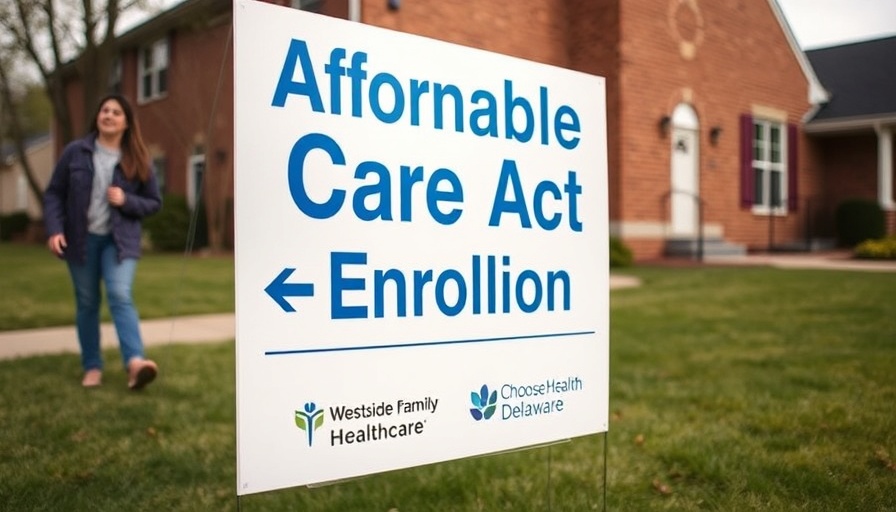
ACA enrollment sign with people passing by, Trump health care proposal ACA enrollment

An Outline of Trump's Health Insurance Proposal

The Trump administration's recent health care proposal has stirred up significant controversy. Billed as a means to protect consumers from unintended enrollments in Marketplace coverage and to ensure that taxpayer dollars go to individuals genuinely in need, the plan also introduces several new barriers to enrollment. These changes may disproportionately affect low-income individuals, who already face challenges accessing affordable coverage.

Enrollment Period Changes: Impacts on Access

One of the major changes includes a reduction of the annual Open Enrollment period by a month, narrowing it from January 15 to December 15. This mirrors actions taken during Trump's first term when a similar reduction led to significant drops in enrollment numbers. Under the Biden administration, approximately 24 million individuals flocked to enroll, largely due to the expanded tax credits available, which made plans affordable or even free. The tightening of the enrollment timeline could revert those gains, as evidenced by past outcomes.

Examining the Impacts on Vulnerable Groups

The new regulations also target a group known as “Dreamers,” immigrants who arrived in the U.S. illegally as children. The proposal will block Dreamers from receiving subsidized ACA coverage, essentially reversing protections established under Biden’s presidency. Such a move is not only politically motivated but threatens to strip away the health care security of approximately 147,000 individuals, especially alarming during a time when affordable health care access is crucial.

Greater Documentation Requirements for Enrollment

New eligibility requirements demand greater documentation from consumers wishing to access premium subsidies, particularly self-employed individuals who may not have traditional income documentation. Experts warn that these proposed challenges could lead to lower overall enrollment in ACA plans, particularly among vulnerable demographics who may struggle to provide the necessary paperwork. There is a risk that many eligible individuals could be deterred from enrolling through an ACA plan altogether due to these heightened barriers.

Potential Benefits of Additional Safeguards

While the proposed changes could complicate enrollment, they might also offer some consumer protections against fraudulent enrollments. For instance, a requirement for those enrolled in zero-premium plans to receive a monthly premium bill could alert individuals unaware of their enrollment status. However, the complexity introduced by additional requirements may ultimately outweigh these benefits.

Looking Forward: The Future of ACA Under Trump’s Proposal

The gradual erosion of the ACA under these reforms raises questions about its sustainability as a critical source of coverage for millions. The expectation is that, as regulations tighten, accessibility will diminish, making it difficult for those who need it the most to obtain necessary health care. As discussions evolve, stakeholders from different political spectrums must grapple with the balance between fraud prevention and equitable access to health services.

Political

17 Views

0 Comments

Write A Comment

*
*
Please complete the captcha to submit your comment.
Related Posts All Posts
04.13.2026

Clairton's Health Crisis: The Fallout from Trump's Environmental Rollback

Update Clairton: A Town Choking on Coal Dust and Impending Policy Changes In Clairton, Pennsylvania, a town notably affected by industrial pollution, residents are grappling with the consequences of lax environmental regulations largely influenced by political decisions. The Clairton Coke Works, situated along the Monongahela River, marks North America’s largest coke plant, and it is identified as a substantial contributor to elevated pollution levels. As studies reveal that children in Clairton Elementary School suffer from asthma rates significantly higher than typical, the looming debate over environmental policy has intensified. The Political Tug-of-War Over Environmental Regulations Under the previous Trump administration, attempts were made to provide exemptions to 11 coke plants, including the Clairton facility, amidst a backdrop of a national discourse framed by the Make America Healthy Again (MAHA) movement. This movement has championed various health-conscious initiatives but has found itself at odds with the rollback of significant environmental protections. The exemption granted on emissions standards points to a paradox—while the administration promotes health initiatives, it simultaneously undermines environmental safeguards that protect the very communities MAHA aims to support. The Discrepancy Between Emissions Estimates and Reality Recent investigations into emissions data reveal a worrying trend: the pollution reported by industrial plants is often significantly underestimated. Reports indicate actual emissions at coke manufacturers far exceed EPA estimates, posing a considerable risk to nearby communities—particularly among vulnerable populations, such as children. Experts assert that without stringent monitoring and enforcement, local health outcomes will likely continue to worsen. Political Ramifications and Public Health Concerns The community’s response to cascading environmental violations illustrates growing discontent with the political motives behind such decisions. As public health concerns mount, so could repercussions for politicians who fail to protect their constituents. Reports suggest that if voters within the MAHA movement believe their health is compromised due to industry-friendly policies, they might reconsider their political alignment in future elections. Historical Context of Pollution-Related Illnesses Historically, industrial towns like Clairton have experienced economic booms followed by difficult declines as regulations have shifted over the years. The steel industry's decline left many residents in dire straits, exacerbated by pollution that now garners heightened scrutiny. Local health metrics indicate that Clairton has one of the highest cancer death rates in the region due to its proximity to industrial pollution sources. Expected Developments and Community Action Looking ahead, the fate of Clairton and its residents hinges on impending policy decisions and community advocacy. While some residents remain hopeful that regulatory conditions may improve with new administrations, others continue to organize for local health studies and community-driven environmental reforms. Grassroots organizations like Valley Clean Air Now indicate a determination among residents to secure safer living conditions, regardless of the political climate. Conclusion The lived reality in Clairton serves as a crucial reminder of the human cost associated with environmental policy shifts. The interplay between industry demands and community health needs illustrates a pressing concern that has profound implications not only for residents but for the broader national agenda on public health and environmental protection. As this story unfolds, it remains vital for those concerned with health, environment, and policy to engage actively, urging comprehensive regulations that protect vulnerable communities from industrial pollution.

04.13.2026

Unlocking Financial Control: Master Your High-Deductible Health Plan with HSAs

Update Understanding High-Deductible Health Plans: The Basics As healthcare costs continue to rise, many individuals and families opt for High-Deductible Health Plans (HDHPs) to save on monthly premiums. But what does choosing an HDHP mean for your wallet? These plans have been likened to a double-edged sword; while they often feature lower monthly costs, they present a significant amount of out-of-pocket expenses when services are needed. For instance, data shows that as of 2023, over 30% of workers with employer-sponsored health insurance had HDHPs, a striking contrast to the mere 4% in 2006. The Benefits of Health Savings Accounts (HSAs) One of the primary financial advantages of an HDHP is the option to open a Health Savings Account (HSA). HSAs are tax-advantaged savings accounts that allow contributions to grow tax-free and be withdrawn tax-free for qualified medical expenses. Participants can significantly lower their taxable income by contributing pre-tax dollars. Moreover, any unspent funds roll over year after year, allowing individuals to build a financial cushion for future healthcare costs. This feature should not be ignored, especially as HSAs can serve as a valuable resource for those facing unpredictable medical expenses. Your Path to Maximizing Your HSA Contributing regularly to an HSA can pave the way to enhanced financial stability in the face of high out-of-pocket costs. To fully harness the advantages of an HSA, individuals should consider setting up automatic contributions that align with their budgetary capacity. Additionally, some HSAs offer investment opportunities that can help one’s savings grow even more aggressively. Utilizing HSAs effectively requires an understanding of both your healthcare needs and how these accounts can work for you in the long run. Common Misconceptions About High-Deductible Health Plans There are myriad misconceptions about HDHPs that can impede individuals from making informed decisions. Many believe these plans are only suitable for young, healthy individuals, but this isn't entirely true. Even those with chronic conditions or infants can sometimes find an HDHP paired with a robust HSA to be more beneficial than traditional plans. Understanding your specific health finances is crucial in this context, as is awareness about how to navigate the complexities of insurance jargon. Future Trends: The Role of Technology in Managing Health Costs As technology advances and telemedicine becomes more prevalent, consumers are likely to see changes in how they utilize HDHPs. Digital wallets and app-based financial tools will emerge as integral components for managing HSAs and out-of-pocket expenses. For tech-savvy health enthusiasts, being informed about innovative ways to track expenses and health-related transactions can help make better financial decisions. Actionable Steps for Navigating HDHPs Effectively To succeed with HDHPs, take proactive steps in educating yourself about your insurance plan. Review your options, understand the terms and conditions of your plan, and always keep an eye on upcoming medical expenses. You might also want to connect with financial advisors who specialize in healthcare strategies. Consider exploring community groups or online forums where people share insights and success stories related to managing HDHPs and HSAs. Remember, it’s not just about choosing a health plan; it’s about making that plan work for your circumstances. With education, proactive planning, and a forward-thinking mindset, you can navigate the complexities of health insurance confidently.

04.12.2026

Medicaid Cuts and Their Surprising Impact: What This Means for Health Care Affordability

Update The Impact of Medicaid Cuts: A Call for Reflection As the conversation around health care affordability intensifies, the recent Medicaid cuts represent a critical juncture in the U.S. health care system. Julie Rovner, chief Washington correspondent for KFF Health News, elaborated on this pressing issue during her discussions on WAMU's 1A and on The Middle With Jeremy Hobson. The proposed cuts are anticipated to have far-reaching effects not only on Medicaid beneficiaries but also on the hospitals that serve them. Understanding Medicaid's Role in Hospital Financing Medicaid plays a pivotal role in financing hospital care, accounting for roughly 19% of all hospital spending in 2023. With more than 83 million people enrolled in Medicaid, any significant budget cuts could ripple through the health care system and exacerbate financial pressures on hospitals, particularly those that heavily rely on Medicaid funding. According to a report from KFF, hospital care consumes about a third of total Medicaid expenditure, making it crucial for the financial sustainability of healthcare institutions. How Cuts Impact Patient Care With proposed reductions of up to $880 billion over the next decade, hospitals may face dire consequences. The looming financial distress could lead to reductions in services, staff layoffs, and even the closure of facilities, especially in underserved rural areas. The trend of hospital closures has already accelerated, with over 194 rural hospitals shuttering since 2005, leading to diminished access to care in communities most in need. Exploring the Work Requirements Dilemma Additionally, the introduction of federal work requirements for Medicaid beneficiaries poses a further threat. Research predicts that tight eligibility criteria could disenfranchise between 5.1 million and 5.8 million vulnerable Americans, abandoning those who might find it challenging to meet work documentation requirements. As hospitals see a decline in insured patients, revenues will shrink, leading to ballooning uncompensated care costs. A study from the Commonwealth Fund predicts an average operating margin reduction of 11.7% to 13.3% for hospitals if work requirements are implemented. Casualties of Budget Cuts: Rural Hospitals at Risk The ramifications of these budget cuts are particularly dire for safety-net hospitals and those in rural locations, where Medicaid represents a higher share of revenue. Such facilities may struggle to remain operational, further intensifying healthcare disparities among low-income populations. Potential Path Forward: Seeking Solutions The overarching concern is not merely the budget cuts themselves, but the profound impact on patient care and health equity in the United States. Advocates are calling for dialogue surrounding potential alternatives to cutbacks that might enhance efficiencies without sacrificing quality or access to essential health services. Call to Action: Get Involved! The health of our communities hinges on the outcomes of these Medicaid discussions. It is crucial for individuals to stay informed and engage with healthcare policies that affect their access to care. Contact your representatives, attend local meetings, or share your concerns on social media platforms. By acting now, we can work towards a healthcare system that prioritizes the well-being of all individuals, especially those who rely on Medicaid as their lifeline. The conversation surrounding healthcare affordability is ongoing and we invite everyone to play a role in shaping its future.

Terms of Service

Privacy Policy

Core Modal Title

Sorry, no results found

You Might Find These Articles Interesting

T
Please Check Your Email
We Will Be Following Up Shortly
*
*
*




