

Add Row
Add Element
Parallel Health World News Logo
update

Parallel Health World

cropper
update
Add Element
  • Home
  • Categories
    • EcoHealth Trends
    • Healing Naturally
    • Age-Defying Diets
    • Supplement Savvy
    • Mind-Body Synergy
    • Finance and Health
    • Biolimitless
    • Tech Hacks
    • Health & Medicine
    • Political
    • BioBuzz
    • Holistic Rehabilitation Techniques
    • Practitioner Insights
    • AI In Healthcare
  • Featured Business Profiles
March 14.2025
2 Minutes Read

Unlock Better Sleep: How Reducing Nightly Screentime Transforms Your Rest

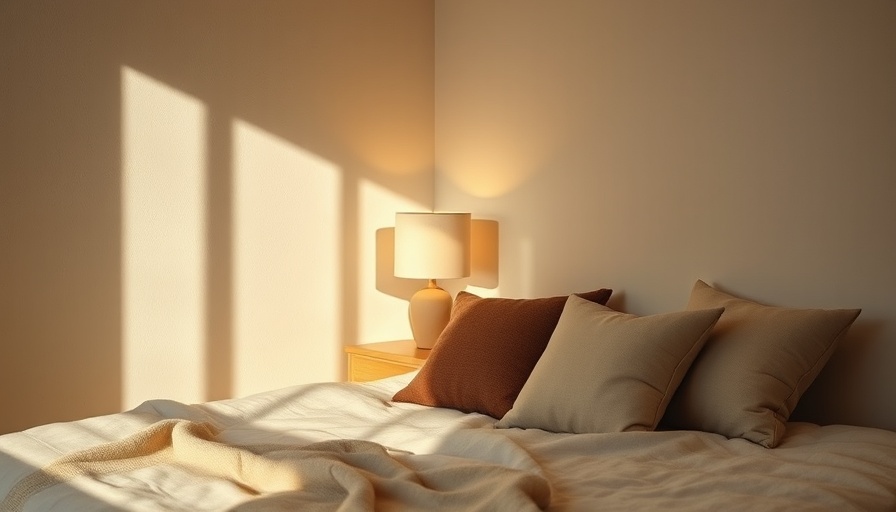
Cozy minimalist room setting for reducing nightly screentime with soft lighting.

Understanding the Importance of Reducing Screentime for Better Sleep

As we plunge deeper into the digital age, our evenings are often illuminated by the glow of screens. Entertainment options extend from TV shows to social media, tempting even the most determined night owls. However, as integrative optometrist Marina Gurvich articulates, sleep quality is being sacrificed for screen time.

The evident problem is that screens emit blue light, notorious for disrupting melatonin production—the hormone crucial for regulating sleep-wake cycles. Research has shown that this blue light exposure significantly delays our ability to fall asleep, leading to consequences like irritability, anxiety, and even chronic health issues. Notably, studies indicate that individuals immersed in screens before bedtime may take up to an hour longer to fall asleep than those who maximize the benefits of traditional books.

Actionable Strategies to Wind Down and Sleep Better

To combat the detrimental effects of screen time, Dr. Gurvich suggests several practical alternatives that promote relaxation. Here are key strategies rooted in current sleep science:

  • Establish a Bedtime Routine: A calming routine signals your body that it's time to sleep. Engage in soothing activities like reading a physical book or practicing mindfulness.
  • Diminish Light Exposure: Dimming the lights an hour before bed can boost melatonin production, signaling your body to wind down. Choose warmer colored lights where possible.
  • Create a Screen-Free Zone: For optimal sleep hygiene, consider keeping electronics out of your bedroom, allowing your mind to associate the space with rest rather than stimulation.

Benefits of Minimal Screen Time

Enhanced Focus and Mental Clarity: Reducing screentime not only improves sleep but translates into sharper focus and better mood the following day. A smoother transition into sleep can markedly affect productivity and emotional well-being.

Better Health and Well-Being: The implications extend beyond just mental clarity; adequate sleep can diminish the risks of metabolic disorders and long-term health complications like heart disease.

Final Thoughts on the Evolving Sleep Trend

As we adapt to our tech-saturated lives, finding balance becomes paramount. It is time to rethink evening routines and adopt practices that prioritize both mental health and the irreplaceable value of sleep.

Incorporate these changes gradually into your lifestyle and witness the profound impact on your overall well-being. Put down your devices, pick up a book, and truly embrace the art of winding down.

Mind-Body Synergy

19 Views

0 Comments

Write A Comment

*
*
Please complete the captcha to submit your comment.
Related Posts All Posts
04.13.2026

Unlock Your Hair's Potential: Understanding Hair Density Matters

Update Understanding Hair Density: The Key to Your Hair HealthIn the world of hair care, we often focus on color, cut, and length, but one crucial aspect that often goes unnoticed is hair density. Hair density, the number of hair strands growing per square inch on the scalp, plays a significant role in how we style and care for our hair. Distinguishing between hair density and strand thickness is essential; while thickness refers to the diameter of individual hair strands, density reflects the overall scalp coverage. This deeper understanding can enhance your hair care routine substantially.The Importance of Hair DensityWhy should you care about your hair density? Well, knowing your hair density can help you choose the right products and styling techniques that will work best for your unique hair type. Studies indicate the average scalp has between 80,000 to 120,000 hair strands, with variations heavily influenced by genetics and lifestyle factors. For example, blondes typically have the most hair, averaging around 140,000 strands, while redheads average about 90,000. This understanding can guide you in selecting volumizing products or serums that suit your density.How to Determine Your Hair Density at HomeYour hair density can be assessed easily using a few simple methods. One method involves examining your scalp visibility; if it’s easily seen, you likely have low density, while hidden scalps typically indicate high density. Additionally, the ponytail test can give you insight as well. Measure the circumference of your gathered hair. Less than 2 inches suggests low density, while over 4 inches points to high density. Such quick tests can be invaluable for tailoring your hair care routines.Effective Care for Different Hair DensitiesUnderstanding your hair density allows you to adapt your care regimen. For those with low-density hair, utilizing lightweight volumizing products and styles that enhance volume is key. In contrast, individuals with high-density hair may benefit from smoothing products that combat bulk and frizz. It's also worth mentioning that the way we care for our hair can impact our hair density. Stress, hormonal changes, and nutritional deficits may lead to thinning, making healthy lifestyle choices and regular checks with stylists crucial.Conclusion: Why Hair Density MattersUltimately, hair density is not merely a cosmetic concern; it reflects both genetic predispositions and impacts how we present ourselves to the world. For health enthusiasts keen on maximizing their wellness regimen, incorporating information about hair density can lead to better hair health and styling success. Evaluate your hair’s needs, and take proactive steps using the local resources available to you, like consultations with stylists or trichologists. If you're ready to understand your hair better and embrace your unique strands, visit a professional stylist to tailor a plan that's just right for you.Your hair deserves the best, and with a deeper understanding of density, you can give it the care it needs. Remember—investing in your hair health is an investment in your overall well-being.

04.13.2026

Discover How to Turn Sweet Potatoes Into 3 Thrilling Meals

Update The Nutritional Power of Sweet Potatoes When it comes to healthy carbohydrates, few foods compete with the humble sweet potato. Brimming with essential nutrients like beta-carotene, vitamin C, potassium, and fiber, these versatile tubers not only satisfy your palate but also bolster your health. This article will explore innovative ways to incorporate sweet potatoes into your meals, presenting them as a delectable foundation for nutritious and fulfilling dishes that align with today’s wellness trends. Why Sweet Potatoes? A Culinary Staple in Your Kitchen Sweet potatoes shine as a culinary staple, capable of adorning your table for breakfast, lunch, and dinner. Their natural sweetness pairs harmoniously with a plethora of flavors, making them highly adaptable. Whether transforming a classic dish like BBQ pulled pork into a protein-packed stuffed sweet potato or layering them thoughtfully in a cozy power bowl, sweet potatoes can elevate any meal while remaining health-conscious. Diving Into Delicious Meals: Three Must-Try Recipes Here, we delve into three innovative dishes that showcase the sweet potato’s versatility: Protein-Packed BBQ Stuffed Sweet Potatoes One standout recipe utilizes the sweet potato as a vessel for savory pulled pork. The slow cooker makes this recipe incredibly manageable, allowing you to prepare a nutritious meal with very little fuss. Complemented with seasonal veggies, this dish is not only delicious but also a great source of protein and essential nutrients. Cheesy Pesto-Style Sweet Potatoes This innovative approach merges the comfort of cheesy flavors with the health benefits of sweet potatoes. Top your roasted sweet potatoes with pesto and fresh mozzarella or parmesan, and let them melt in the oven for an irresistible dish. Enhance it further by adding in roasted tomatoes for a fresh burst of flavor. Kale and Sweet Potato Power Bowl Perfect for lunch on the go, this customizable bowl combines roasted sweet potatoes, quinoa, and kale, tying everything together with a balsamic dressing. This nourishing bowl stands as a testament to how effortless healthy eating can be when you have star ingredients like sweet potatoes on hand. Embracing Sweet Potatoes in Your Daily Routine With sweet potatoes as your base, the possibilities are endless. They are a powerful source of energy, and when paired with proteins and healthy fats, these meals can stimulate your metabolism and enhance digestion. Food enthusiasts can experiment with flavors ranging from spicy to sweet, enriching their meals while reaping the health benefits associated with this powerhouse vegetable. Conclusion As we've explored, sweet potatoes are not just a delicious addition but a means to create satisfying, nutrient-dense meals that can fit any lifestyle. Dive into the world of sweet potatoes and start crafting meals that nourish your body and excite your palate!

04.12.2026

Exploring Body-Wandering: A Simple Practice to Alleviate Depression and ADHD

Update Time to Shift from Mind-Wandering to Body-Wandering? In a world increasingly dominated by technology and distraction, our minds often drift away from the present moment, fixated on the past or future. Yet, what if turning our attention inward, toward our own bodies, could serve as an antidote to pervasive issues like depression and ADHD? Current research is shedding light on the intriguing concept of "body-wandering," where individuals shift focus from cognitive processes to bodily sensations, and its potential benefits. Unraveling the Mystery of Body-Wandering Recent studies have explored the phenomenon of body-wandering in a framework that contrasts sharply with more established mental processes. For instance, participants lying still in an MRI machine reported paying attention to their breathing, heartbeats, and other physical sensations. This engagement with bodily awareness was not only reflected in their reports but also in the brain activity observed during imaging. The findings suggest that while body-wandering often accompanies negative emotional states, it appears to correlate with a reduction in long-term symptoms of depression and ADHD. Understanding Why It Works: The Role of Presence Why would a practice that feels unpleasant at the moment still bring about positive mental health outcomes? The research indicates that focusing on bodily sensations can create a sense of presence, pulling individuals away from spiraling thoughts and emotional distress. When one shifts attention to the here and now—the breath, the heartbeat— it becomes easier to silence the mind’s habitual ruminations. This regained sense of control can bring about a deeper understanding of and connectivity with one's body and mind. Tools for Practicing Body-Wandering Incorporating body-wandering into daily practices doesn’t have to be complex. Techniques such as mindful walking, body-scanning exercises, and being deliberate about noticing breath can reinforce this practice. Over time, as individuals become more attuned to their sensory experiences, they may find not only symptom relief but also a greater capacity for emotional regulation. The Broader Implications: Bridging the Gap in Mental Health This burgeoning understanding of body-wandering showcases the need for further intersection between the fields of neuroscience and psychotherapy. By focusing on how bodily awareness can inform mental health practices, professionals may develop new strategies that arm individuals suffering from depression or ADHD with effective coping mechanisms. What the Future Holds for Body-Wandering The next frontier in mental health treatment may lie in integrating mind-wandering and body-wandering concepts. By fostering a holistic approach to therapy that embraces the connection between physical sensations and mental states, practitioners can potentially enhance their treatment frameworks. Ultimately, embracing body-wandering might not only mitigate symptoms but also empower individuals to find a robust sense of presence amidst life’s challenges. For health enthusiasts eager to enhance their well-being, exploring the realms of body-wandering could be the missing piece in managing struggles with attention and emotional distress. The small shifts in practice build up over time, leading to significant improvements in mental health. By developing a personal toolkit for body-wandering, individuals could transform their approach to wellness, leading to a more balanced state of mind.

Terms of Service

Privacy Policy

Core Modal Title

Sorry, no results found

You Might Find These Articles Interesting

T
Please Check Your Email
We Will Be Following Up Shortly
*
*
*




