

Add Row
Add Element
Parallel Health World News Logo
update

Parallel Health World

cropper
update
Add Element
  • Home
  • Categories
    • EcoHealth Trends
    • Healing Naturally
    • Age-Defying Diets
    • Supplement Savvy
    • Mind-Body Synergy
    • Finance and Health
    • Biolimitless
    • Tech Hacks
    • Health & Medicine
    • Political
    • BioBuzz
    • Holistic Rehabilitation Techniques
    • Practitioner Insights
    • AI In Healthcare
  • Featured Business Profiles
March 28.2025
2 Minutes Read

What Medicaid Cuts Mean for American Families and Healthcare Access

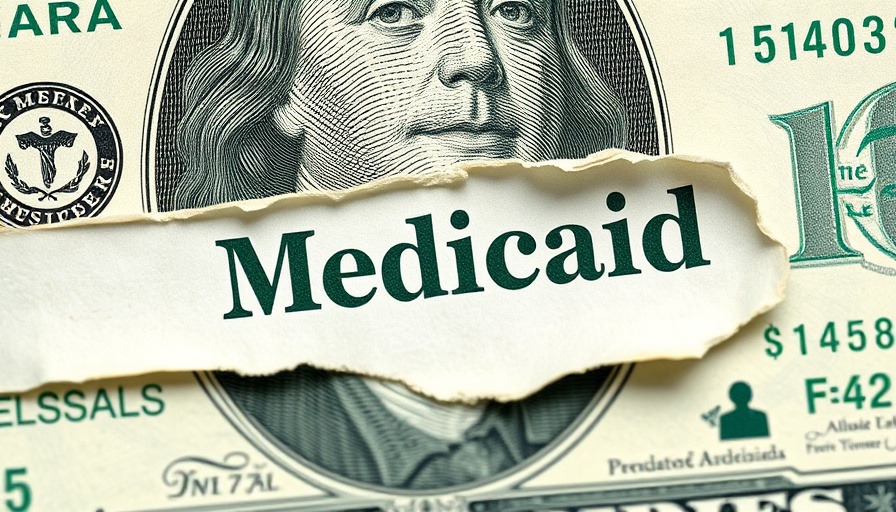
Torn dollar bill with 'Medicaid' text symbolizing Medicaid cuts impacts.

Understanding the Stakes: Medicaid Funding Cuts

Across the United States, hundreds of advocacy groups are raising alarms over potential cuts to Medicaid, warning that such reductions could devastate the nation's social safety net. The House Republicans recently passed a budget proposal aimed at finding $880 billion in cuts, with Medicaid seen as a likely target. In a critical letter directed to Senate Majority Leader John Thune, these organizations outlined how cuts to Medicaid could adversely impact millions of Americans relying on this crucial program for healthcare access.

Why Medicaid Matters: A Safety Net for Millions

Medicaid, alongside the Children’s Health Insurance Program (CHIP), serves over 80 million people in the U.S. The significance of this program cannot be overstated; it provides essential health services to low-income families, the elderly, and individuals with disabilities. The potential cuts threaten not just access to medical care but also push states toward difficult decisions to reduce enrollment and slash payments to healthcare providers, particularly in rural areas where the program's utility is critical.

Economic Ramifications of Medicaid Cuts

Research indicates that cutting funding for Medicaid could have devastating economic consequences. The Commonwealth Fund has projected that such cuts, coupled with reductions in food benefits from programs like SNAP, could lead to a decrease in state economic growth, resulting in over one million job losses nationwide in the coming year. This could exacerbate the challenges faced by families already struggling, making it increasingly difficult for them to maintain their quality of life.

The Political Landscape: A Double-Edged Sword

While some lawmakers advocate for reducing Medicaid spending by targeting fraud and waste, the reality is that any cuts will directly impact vulnerable communities. The advocacy groups stress that Medicaid operates on a tight budget, and substantial cuts may not only remove coverage for many but also strain years of progress in healthcare access. Lawmakers might find constituents in rural areas—who heavily rely on Medicaid—concerned about the potential loss of services if cuts proceed.

Take Action: Stay Informed and Advocate for Change

Understanding the implications of Medicaid cuts is vital not just for those directly affected but for all consumers concerned with maintaining health equity across the nation. Engaging in advocacy and ensuring your voice is heard can help safeguard this essential social program. Keep informed about ongoing legislative discussions and consider supporting organizations working to protect healthcare access for all.

Finance and Health

41 Views

0 Comments

Write A Comment

*
*
Please complete the captcha to submit your comment.
Related Posts All Posts
04.11.2026

Revolutionizing Healthcare: A Close Look at CMS's Data Sharing Initiative

Update Unlocking the Future of Healthcare: CMS's New Health Tech Ecosystem Initiative The Centers for Medicare & Medicaid Services (CMS) has unveiled an ambitious new Health Tech Ecosystem designed to transform health data sharing and accessibility through innovative technology tools. This initiative, launched on July 30, 2025, seeks to eliminate outdated practices and enhance interoperability among patients, providers, payers, and technology platforms. What We Can Expect: Major Goals of the Initiative At the core of the CMS initiative are two groundbreaking objectives. Firstly, the program aims to abolish cumbersome processes such as the ubiquitous paperwork involved in patient health information gathering, often referred to as “the clipboard.” CMS Administrator Dr. Mehmet Oz emphasized the importance of empowering patients to seamlessly collect their health data via preferred applications and share it with healthcare providers through QR codes. The second goal, as he mentioned, is to leverage artificial intelligence (AI) in ways that can fundamentally enhance patient care. Industry Partnerships: A New Era of Collaboration With over 700 organizations pledging their commitment to this initiative, including major healthcare players like UnitedHealth and Amazon, the collaboration promises to break the existing silos that have hampered health data sharing for years. According to Amy Gleason, acting administrator of the U.S. DOGE Service, this coalition has demonstrated that companies that typically compete can come together to create innovative solutions for real-world challenges. For example, partnerships may allow insurers like Humana to collect patient data seamlessly, improving overall care management across various platforms. Addressing Challenges: Ensuring Data Privacy and Security While the CMS initiative holds significant promise, experts caution that concerns around data privacy may surface as efforts to enhance patient access progress. As the healthcare sector integrates more AI-driven solutions for health data management, ensuring that patients’ sensitive information remains secure will be paramount. This aspect will be critical in gaining public trust as the initiative evolves. Next Steps and Patient Empowerment The CMS Health Tech Ecosystem is already making strides toward creating caregiver accounts on Medicare.gov and an app library for beneficiaries. These resources will enable family members to assist patients in managing their healthcare effectively. As technological changes unfold, the demand for user-friendly tools that can cater to personal health needs is more crucial than ever. Once patients gain control over their health data, they can better navigate their health journeys, armed with the insights derived from their digital information. The potential for innovation within the healthcare sector is indeed thrilling. As we observe the development and deployment of these new initiatives, it is imperative that patients remain engaged and informed about their rights and options within this evolving landscape.

04.11.2026

Hospital M&A Surges in 2026: What This Means for Healthcare Consumers

Update Hospital Mergers: An Upward Trend in 2026 The landscape of hospital and healthcare mergers and acquisitions (M&A) has shown a profound shift as 2026 kicks off with a noticeable resurgence. Recent reports from Kaufman Hall indicate that the first quarter of this year witnessed the highest number of M&A deals in six years, totaling 22 transactions. This sharp rebound follows a cautious 2025, where only 46 deals were completed amidst financial and policy uncertainties. The surge in activity highlights a growing recognition among providers that strategic partnerships are essential for navigating the challenges of an evolving healthcare landscape. Understanding the Factors Behind the Surge The driving force behind this renewed activity can largely be attributed to the financial stresses that plagued many healthcare institutions in 2025. As noted, significant cuts to federal health programs and uncertainties surrounding the Affordable Care Act drove many organizations into a defensive posture. Consequently, many providers stood away from potential deals, with strategic decisions focused on securing financial health before expanding their operational footprint. Yet, with a clearer economic outlook presented in late 2025, many institutions began to reevaluate acquisition opportunities, leading to this marked upswing. Market Dynamics: The Role of Mega-Mergers Notably, among the announced transactions were several mega-mergers, where the smaller party had annual revenues surpassing $1 billion. These deals not only created substantial operational synergies but also represented a tactical approach to navigating contracting challenges with insurers. The largest of these transactions involved California’s Sutter Health’s planned acquisition of Minnesota-based Allina, constructing a $26 billion nonprofit system that promises cross-market operational efficiencies. Implications for Patients and Providers The merge-and-acquire approach signifies a transformative phase within the healthcare sector. Such consolidations can lead to improved service delivery for patients by streamlining care and maximizing resources. Furthermore, larger systems can leverage better negotiation positions with suppliers and insurers alike. However, the trend of increasing mergers may raise concerns about the loss of competition, potentially leading to higher prices and reduced choices for consumers. Looking Ahead: Trends in Healthcare M&A As we move through 2026, healthcare observers and stakeholders are keenly watching this renewed momentum. The anticipated stabilization of government policies concerning healthcare funding will likely sustain the upward trend in M&A activities. Despite the warnings of financial unrest stirred by numerous variables over the past few years, health systems are adopting cooperative strategies to fortify their positions against any potential future upheavals. Call to Action For consumers interested in improving their healthcare options, understanding these mergers could be crucial. Being informed about the changing landscape can empower better decisions regarding healthcare services and providers in your area.

04.10.2026

Navigating Tariff Challenges: How Medtech Companies Adapt to Pricing Pressures

Update Understanding Current Medtech Tariff Challenges A year after President Trump’s significant tariff policies came into play, the medtech industry continues to face substantial challenges. Designed to bolster domestic manufacturing, these tariffs have inadvertently complicated the delicate balance of global supply chains that many medtech companies rely upon. Instead of reshoring operations, these companies have opted for cost management strategies to mitigate the financial impact of tariffs on their operations. How Medtech Companies are Adapting In the face of escalating tariffs, medtech companies, unlike their pharmaceutical counterparts, are steering clear of raising prices for health systems. According to Glenn Hunzinger from PwC, the sector is focused on internal efficiency improvements rather than passing the expense onto customers. This approach is essential in maintaining affordability for medical devices while preserving investments in research and development. The Financial Ripple Effects Financially, the stakes are high. Reports suggest that individual companies can incur losses between $200 million to $500 million each from tariffs annually. Such impacts can ripple through to share values, emphasizing the urgency of finding operational efficiencies. PwC has launched initiatives to help these companies potentially reclaim up to $2.6 billion in tariffs following a pivotal Supreme Court ruling that affects their cost structure. Future of Medtech: A Tariff Outlook Looking ahead, the medtech industry must grapple with continuous regulatory evolution surrounding tariffs. The re-introduction of Section 122 tariffs signifies that the administration's commitment to tariff policies remains steadfast. Analysts predict ongoing investigations and tariff adjustments that might further shape operational landscapes for these companies. Action Steps for Affected Stakeholders For consumers, especially those seeking wellness solutions, understanding these challenges could inform purchasing decisions. Medtech companies’ efforts to streamline costs might alter product availability or prices in the near future. Awareness of these dynamics may empower consumers to seek proactive discussions with healthcare providers about treatment options, including newer medical devices that may become available as companies innovate to combat tariff-induced pressures. The Bottom Line While the roads ahead for the medtech sector are fraught with challenges imposed by tariffs, the resilience and adaptive strategies being employed signify a commitment to quality and innovation in healthcare. Monitoring these changes can offer consumers valuable insights into the intersection of health technology and economic policies.

Terms of Service

Privacy Policy

Core Modal Title

Sorry, no results found

You Might Find These Articles Interesting

T
Please Check Your Email
We Will Be Following Up Shortly
*
*
*




