

Did you know that nearly 1 in 10 people worldwide are affected by a rare disease, yet 95% of these conditions lack a dedicated treatment? This statistic is both shocking and urgent—a stark reminder that rare disease awareness is not just about sharing facts; it’s about saving lives
Rare Disease Awareness: A Startling Reality
The world of rare diseases is vast, diverse, and, unfortunately, misunderstood by many. Rare disease awareness isn’t just a campaign—it’s a matter of urgency for millions. Every day, patients and their families face delayed diagnoses, limited treatment options, and profound isolation. These challenges often stem from the simple fact that the conditions they live with are not widely known or understood, even by healthcare professionals. Increasing visibility and understanding can make a substantial difference in diagnosis times, access to care, and research funding for these often-overlooked diseases. The ripple effect of raising rare disease awareness extends far beyond individual stories; it influences policy changes, encourages new research endeavors, and inspires communities to act.
In many cases, awareness can be the difference between early intervention and missed opportunities for life-saving treatment. It helps break down stigmas, fosters empathy, and ensures that rare disease patients are not forgotten but instead are given a voice. Major advocacy initiatives, like Rare Disease Day and Disease Week, have brought unprecedented momentum to the cause, making the world stop and pay attention. From social media campaigns to legislative action, the urgency to raise rare disease awareness has evolved into an international movement—and its efforts are saving lives today.

"Nearly 1 in 10 people worldwide are affected by a rare disease, yet 95% of these conditions lack a dedicated treatment."
What You'll Learn About Rare Disease Awareness
- The current landscape of rare disease awareness
- Why raising awareness can be lifesaving
- Major advocacy initiatives, such as Rare Disease Day and Disease Week
- How policy and social media campaigns drive change
- Ways you can make a difference today
Understanding Rare Disease Awareness: Definitions and Context
What is Rare Disease Awareness and Why Does It Matter?
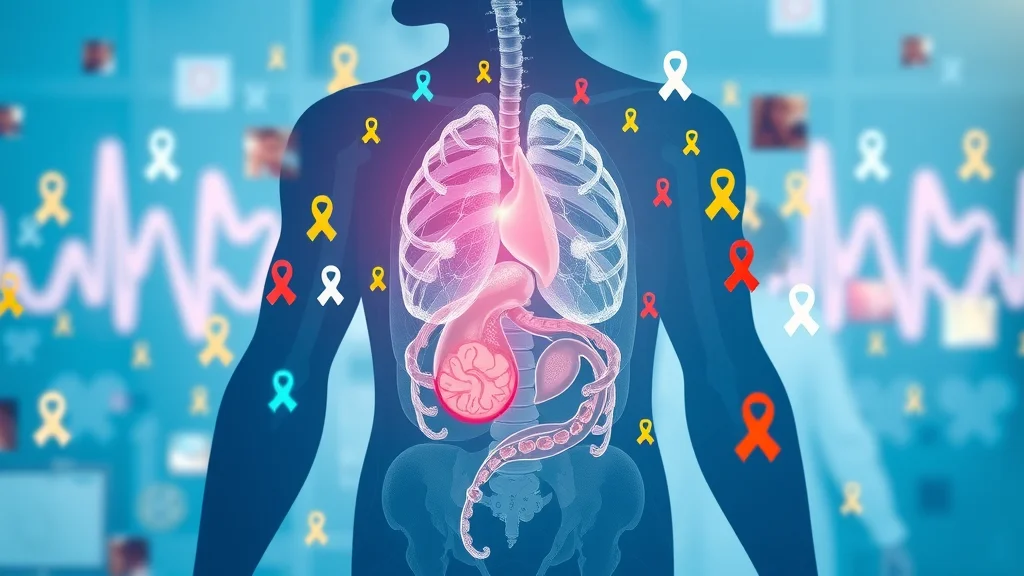
Rare disease awareness is the collective effort to increase understanding and support for rare diseases—conditions affecting fewer than 200,000 people per disease in the United States, but with global reach that affects millions. Awareness spans from educational outreach to government advocacy and support for patients and families. Its primary goal is to shine a light on the struggles of people living with rare conditions, improve diagnosis rates, and foster investment in targeted research and treatment. Many rare diseases are genetic, chronic, and potentially life-threatening. By highlighting these realities, rare disease awareness saves lives through earlier diagnoses, better access to care, and the hope of new therapies on the horizon.
When communities, medical professionals, and policymakers become more aware, they can reduce the diagnostic odyssey—a journey that takes most rare disease patients several years to complete. Rare disease awareness also helps in securing critical funding, influencing policy changes, and bridging gaps between patients and lifesaving resources. Ultimately, awareness is the foundation for transforming rare diseases from overlooked disorders into researched, treatable, and, one day, curable conditions.
As you explore the importance of rare disease awareness, it's worth considering how innovative communication tools can further amplify advocacy efforts. For example, leveraging video email solutions can help organizations and individuals share impactful stories and updates with a wider audience, making every awareness campaign more engaging and effective.
Rare Diseases: The Diversity and Complexity
There are over 7,000 identified rare diseases, each with unique symptoms, challenges, and treatment paths. Some, like cystic fibrosis or sickle cell anemia, are better known, while others—such as Hutchinson-Gilford Progeria Syndrome or Fields' Syndrome—remain virtually unknown outside medical circles. This diversity complicates diagnosis and research efforts, as no two rare diseases are exactly alike. Many rare disorders have just a handful of documented cases, leaving patients to navigate the unknown and often face a lack of expertise from local healthcare providers.
The complexity of rare diseases is why rare disease awareness efforts must be multifaceted. They should address the unique medical, social, and financial needs of rare disease patients and their families. By raising awareness of rare diseases as a whole, we shed light not just on one disorder, but on an ecosystem of conditions—and, in turn, we improve the lives of everyone living with rare disease.
Influence of Rare Disease Day and Disease Week on Public Perception
The Impact of Rare Disease Day Initiatives
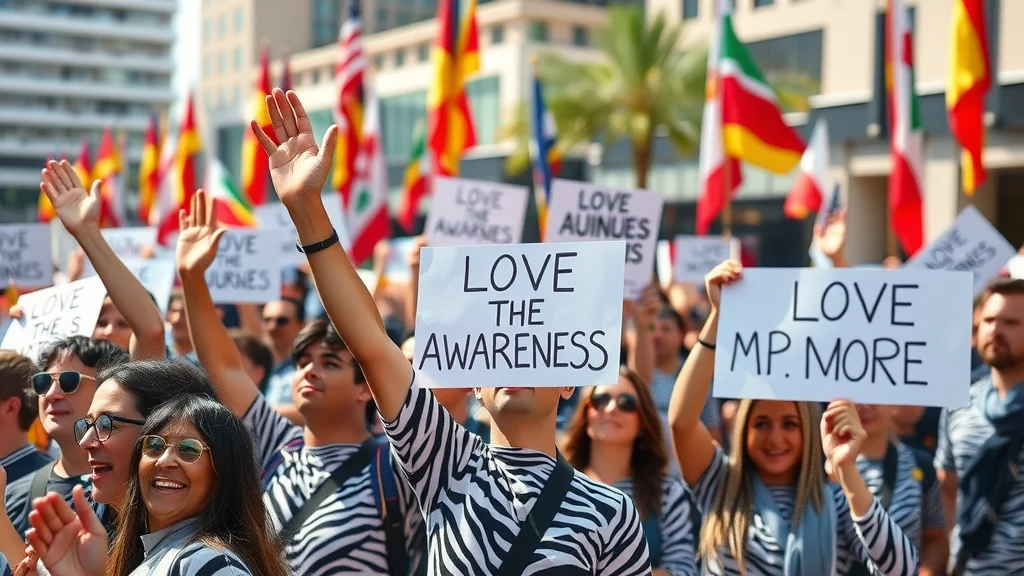
Rare Disease Day is celebrated every year on the last day of February. Designed to unite people worldwide, it spotlights the ongoing struggles and resilience of those affected by rare diseases. Through global events, striking visuals like the zebra ribbon, and powerful patient stories, Rare Disease Day mobilizes communities, governments, and healthcare providers, urging them to prioritize rare disease needs. The campaign inspires hope and encourages the public to learn about the daily battles faced by rare disease patients—thereby building empathy, breaking stigma, and supporting calls for accelerated research and improved care.
The success of Rare Disease Day is visible in the numbers: more than 100 countries participate annually, with millions posting about rare diseases and sharing their journeys. Social media amplifies messages from rare disease advocates, researchers, and policymakers, making the movement impossible to ignore. Rare Disease Day initiatives not only raise visibility but also generate momentum for new policies and research funding, proving that awareness truly does change lives.
Disease Week Campaigns: Advocating for Policy and Research
Disease Week campaigns are vital advocacy events that focus on influencing legislation and research priorities. These designated weeks—often observed globally or nationally—rally stakeholders around pressing policy issues, create educational platforms, and foster collaborations between advocacy organizations and government agencies. Whether held at state capitols or on Capitol Hill, these events bring rare disease patients and their advocates face-to-face with decision-makers. Through legislative meetings, health fairs, and awareness campaigns, Disease Week elevates conversations about rare disorders and how policy can improve outcomes.
The impact of Disease Week cannot be overstated. Dozens of legislative meetings are held, and substantial policy proposals are introduced and supported because of these concentrated efforts. As more advocates share their personal experiences—the journey of living with rare diseases, the struggle for diagnosis, and the fight for treatments—policymakers become more invested in enacting change. In short, Disease Week turns stories into laws, providing hope and real results for rare disease communities.
| Event | Purpose | Key Achievements |
|---|---|---|
| Rare Disease Day | Raising global awareness | Annual participation from 100+ countries |
| Disease Week | Focused policy advocacy | Dozens of legislative meetings |
Advocacy in Action: Rare Disease Advisory Councils and Global Genes
Role of Rare Disease Advisory Council

Rare Disease Advisory Councils (RDACs) are influential bodies formed to represent rare disease patients’ interests at the state level. These councils function as expert panels—bringing together patients, caregivers, healthcare providers, researchers, and policymakers. Their goal is to identify key barriers faced by the rare disease community and to offer actionable recommendations to governors and legislative bodies. RDACs are responsible for reviewing data, holding public hearings, and drafting reports that shape public health policy.
The advocacy of Rare Disease Advisory Councils has improved access to care, spurred new policy initiatives, and increased state funding for rare disease research. By collaborating with organizations like the National Organization for Rare Disorders and grassroots advocates, these councils ensure that rare disease community voices are heard, respected, and acted upon within government institutions. Their existence proves the incredible power of organized and informed advocacy in changing healthcare for rare disease patients.
Global Genes: Uniting the Rare Disease Community
Global Genes is one of the world’s leading rare disease organizations. It unites people and organizations across the rare disease spectrum—patients, families, advocates, and researchers—with the goal of driving visibility and connectivity. Through programs such as annual summits, patient support toolkits, and resource sharing, Global Genes empowers rare disease advocates to create change in their communities.
The organization champions awareness events, online campaigns, and resource hubs to help the rare disease community navigate challenges and harness collective action. By bridging gaps between research, advocacy, and policy through education and empowerment, Global Genes is a force for change, making sure that the rare disease community is both seen and heard at every stage of the journey.
Social Media and Rare Disease Awareness: The New Age Advocacy
How Social Media Amplifies Rare Disease Awareness

In the digital age, social media has become a powerful amplifier for rare disease awareness. Hashtag campaigns—like #RareDiseaseDay and #DiseaseWeek—unite millions of voices, making advocacy visible to people, organizations, and politicians across the globe. Virtual support groups foster a sense of community, offering patients and families a space to connect and share experiences. Influencer and patient storytelling further personalizes rare disease topics, breaking through the buzz of daily news to put a human face on invisible illnesses.
- Hashtag campaigns for Rare Disease Day
- Virtual support groups
- Influencer and patient storytelling
Social media tools accelerate the spread of critical information on rare diseases, enable rapid sharing of new research, and provide a platform for policy discussions. They mobilize supporters for urgent legislative campaigns—often in real time—making the movement dynamic and immediate. Every retweet, post, or story brings rare disease awareness into new circles, proving that even a single voice online can drive global change.
Capitol Hill and Policy Change: Advocacy That Saves Lives
"Bringing rare disease awareness to Capitol Hill is more than symbolic—it is a catalyst for tangible policy change."

Advocacy on Capitol Hill has transformed rare disease awareness from a grassroots movement into a national policy issue. When legislators hear directly from patients, families, and healthcare professionals affected by rare diseases, it puts a human face on policy discussions. Advocates speak at hearings, organize rare disease caucuses, and ensure that the realities of living with a rare disorder remain front-and-center in policy development.
Policy change, inspired by rare disease awareness campaigns, leads to better funding for research, incentives for pharmaceutical innovation, and comprehensive insurance coverage for patients. Each success story—whether it’s increased NIH research grants or new treatment legislation—demonstrates how raising awareness on Capitol Hill saves lives. In the end, advocacy connects the dots between patient stories, lawmaker action, and real-world results for rare disease communities across the country.
Lists of Leading Rare Disease Awareness Organizations and Resources
- National Organization for Rare Disorders (NORD)
- Global Genes
- Rare Disease Advisory Council
- EURORDIS
- EveryLife Foundation
People Also Ask About Rare Disease Awareness
What are the top 10 rarest diseases?
Answer: A list and brief description of the ten rarest diseases, highlighting the importance of rare disease awareness for each.
- Fields' Syndrome: Fewer than 10 cases worldwide; characterized by muscle weakness and neurological decline.
- Kuru: Linked to cannibalism in Papua New Guinea; virtually eliminated but historically caused severe tremors.
- RPI Deficiency: Extremely rare, resulting in intellectual disability and developmental challenges.
- Methemoglobinemia (Blue Skin Disorder): Causes blue-tinged skin due to blood abnormalities; very few cases globally.
- Alkaptonuria (Black Urine Disease): Extremely rare metabolic disorder causing dark urine and joint problems.
- Fibrodysplasia Ossificans Progressiva: Soft tissues turn into bone, progressively disabling the affected individual.
- Alström Syndrome: Affects multiple organs, causes vision and hearing loss; about 1200 known cases globally.
- Hutchinson-Gilford Progeria Syndrome: Causes rapid aging in children; only about 100 cases worldwide.
- Hyper IgM Syndrome: Extremely rare immunodeficiency disorder, leading to severe and recurrent infections.
- Ribose-5-Phosphate Isomerase Deficiency: Only three diagnosed cases; severe neurological issues.
What is rare disease awareness?
Answer: Rare disease awareness refers to efforts and movements aiming to improve public, medical, and policy understanding of rare diseases, fostering earlier diagnosis and better care.
Rare disease awareness is the combined work of patients, advocates, professionals, and policymakers to ensure rare diseases are recognized, understood, and researched. By raising public and professional knowledge, rare disease awareness drives earlier diagnoses, improved treatment access, and greater support for both patients and their families.
When is World Rare Disease Day?
Answer: World Rare Disease Day is observed on the last day of February every year to unite advocates and highlight the urgency of rare disease awareness.
World Rare Disease Day is celebrated annually on February 28th (or 29th in leap years). It brings global attention to the rare disease community, mobilizes advocacy campaigns, and spotlights the pressing need for education, research, and support.
What is the symbol for rare disease?
Answer: The zebra-striped ribbon and the Rare Disease Day hand logo are widely recognized symbols promoting rare disease awareness.
The zebra-striped ribbon is used to represent rare disease awareness globally, symbolizing the uniqueness and diversity of rare diseases. The Rare Disease Day hand logo with its colorful fingers is also a universal marker for awareness activities and community events.
Short, engaging educational video showing real patients, advocates, and medical professionals discussing the impact of rare disease awareness, with a mix of interviews, documentary-style visuals, and footage of events and campaigns. Focuses on personal stories, hope, and the global movement.
FAQs on Rare Disease Awareness
-
How can I support rare disease awareness locally?
You can participate in local events for Rare Disease Day or Disease Week, share awareness materials on social media, support rare disease organizations, and connect with local Rare Disease Advisory Councils to advocate for policy change in your community. -
What are the challenges facing rare disease research?
Key challenges include limited funding, difficulty recruiting enough patients for trials, lack of medical expertise, and insufficient data. Raising rare disease awareness helps address these barriers by encouraging investment and collaboration. -
How does rare disease awareness influence funding for treatments?
Awareness campaigns draw public and policymaker attention to the unmet needs of rare disease patients. This increased visibility often leads to greater research investments, more clinical trials, and accelerated drug development.
Why Boosting Rare Disease Awareness Saves Lives—Key Takeaways
- Awareness drives research, diagnosis, and hope.
- Advocacy turns stories into legislative action.
- Everyone can influence change through rare disease awareness.
Conclusion: The Power of Rare Disease Awareness To Save Lives
Take part: Join a rare disease awareness event this Rare Disease Day and amplify your impact on the global stage.
Raising rare disease awareness is just the beginning—true impact comes from harnessing every available tool to connect, educate, and inspire action. As you continue your journey, consider how digital communication platforms can elevate your advocacy, whether you're sharing a personal story or mobilizing a community. Exploring innovative solutions like video email can help you reach new audiences and make your message resonate on a deeper level. By embracing technology and creative outreach, you can become a catalyst for change and help shape a more informed, compassionate world for those affected by rare diseases. Discover how you can enhance your advocacy efforts and make every voice count by learning more about powerful video communication strategies today.
Sources
- National Organization for Rare Disorders (NORD) – https://rarediseases.org
- Global Genes – https://globalgenes.org
- Rare Disease Day – https://www.rarediseaseday.org
- EveryLife Foundation – https://everylifefoundation.org
- EURORDIS – https://eurordis.org
Raising awareness about rare diseases is crucial for improving diagnosis, treatment, and support for the millions affected worldwide. The National Organization for Rare Disorders (NORD) provides comprehensive resources and advocacy opportunities to support individuals with rare diseases. (rarediseases.org) Additionally, the official Rare Disease Day website offers information on global events and initiatives aimed at increasing public understanding and policy action for rare conditions. (rarediseaseday.org) Engaging with these platforms can empower you to contribute meaningfully to the rare disease community.










Write A Comment