

Add Row
Add Element
Parallel Health World News Logo
update

Parallel Health World

cropper
update
Add Element
  • Home
  • Categories
    • EcoHealth Trends
    • Healing Naturally
    • Age-Defying Diets
    • Supplement Savvy
    • Mind-Body Synergy
    • Finance and Health
    • Biolimitless
    • Tech Hacks
    • Health & Medicine
    • Political
    • BioBuzz
    • Holistic Rehabilitation Techniques
    • Practitioner Insights
    • AI In Healthcare
  • Featured Business Profiles
December 30.2025
1 Minute Read

How to Identify Genetic Disorders Early & Protect Your Family

Did you know that one in every 33 babies is born with a genetic disorder? This eye-opening statistic underscores a crucial reality facing families everywhere: early detection of genetic disorders is not just important—it's potentially life-changing

Genetic Disorders: The Importance of Early Identification

Recognizing genetic disorders as early as possible is vital for families aiming to provide the best possible life for their children. Early identification involves watching for physical, developmental, or behavioral signs that may signal an underlying genetic condition, and taking quick action when those signs appear. In many cases, early intervention can help prevent complications, improve long-term health, and even save lives.

Families should be proactive about collecting information on their medical history, seeking professional advice if there are any warning signs, and understanding how genetic disorders can affect daily life. With genetic advances, genetic testing and screening programs are more accessible than ever before, helping identify issues even before symptoms arise. If a birth defect or unusual health problem arises in a child, prompt attention from a healthcare provider can lead to earlier interventions and support.

multi-generation family showing concern over genetic disorders, photorealistic in a cozy living room
Thoughtful multi-generation family, united against genetic disorders, sharing both concern and hope.
“One in every 33 babies is born with a genetic disorder, highlighting the importance of awareness and early detection.”

What You'll Learn About Genetic Disorders

  • Definition and types of genetic disorders
  • Common warning signs of genetic disorders
  • Screening and diagnostic options
  • Steps to take if a genetic disorder is suspected
  • Preventative measures to protect your family

Understanding Genetic Disorders: An Overview

What Are Genetic Disorders?

Genetic disorders are medical conditions caused by changes or mutations in a person's DNA. These changes can affect how the body grows, develops, or functions. Some genetic disorders are inherited from parents, while others occur spontaneously during a person's development. Common examples include cystic fibrosis, sickle cell disease, and Down syndrome. Genetic disorders can range from mild to severe, and may impact different body systems, leading to complex health conditions or physical characteristics.

It's important to understand that genetic disorders are more common than many people realize. According to the Centers for Disease Control and Prevention (CDC), approximately 3% of all babies are born with birth defects, many of which have a genetic basis. Recognizing these conditions early and understanding their underlying causes can help families seek appropriate care and support. With advances in genetic medicine, many people with genetic conditions now live healthy, fulfilling lives.

How Genetic Disorders Occur

Genetic disorders happen due to gene mutations—changes in the genetic material that make up our DNA. These gene mutations can be passed down from parents to their children (hereditary), or they can occur unexpectedly. Some mutations affect only a single gene (single gene disorders), while others involve larger segments of chromosomes (chromosomal disorder). Environmental factors, such as exposure to certain chemicals, radiation, or infections during pregnancy, may also contribute to the development of genetic disorders, though most are still primarily a result of inherited gene mutations.

Most inheritable genetic disorders follow specific patterns—like autosomal dominant or autosomal recessive inheritance. Recognizing these inheritance patterns within a family can help identify individuals at higher risk. Not all gene mutations lead to disease; some are harmless, or even beneficial. However, knowing your family history and understanding the mechanisms of genetic inheritance are crucial steps to early identification and prevention.

detailed DNA double helix for understanding genetic disorders in a scientific laboratory setting
Close-up of DNA structure, illustrating the science behind genetic disorders and gene mutations.

As you explore the complexities of genetic disorders and their inheritance patterns, it's also valuable to consider how modern communication tools can support families navigating these challenges. For instance, using secure video email platforms can help families and healthcare providers stay connected and share sensitive updates efficiently. Learn more about innovative solutions like Talk Fusion's video email technology for maintaining clear communication during important health discussions.

Different Categories of Genetic Disorders

Genetic disorders are typically grouped into several main categories based on how they occur. Understanding these categories helps both families and healthcare providers identify symptoms and possible treatment strategies:

  • Single gene disorders: Caused by mutations in just one gene; also known as monogenic disorders (e.g., sickle cell anemia, cystic fibrosis).
  • Chromosomal disorders: Result from changes in the number or structure of chromosomes (e.g., Down syndrome, Turner syndrome, extra chromosome issues).
  • Multifactorial inheritance: Involves mutations across multiple genes, often influenced by environmental factors (e.g., heart disease, diabetes, some birth defects).

Each type of disorder has unique features but all can potentially impact the health, development, and quality of life of affected individuals.

Types of Genetic Disorders: From Single Gene to Chromosomal Disorder

Single Gene Disorders: Mechanisms and Examples

A single gene disorder, or monogenic disorder, occurs when a mutation affects a single gene. Such disorders follow clear inheritance patterns, often categorized as either autosomal dominant or autosomal recessive. These conditions tend to have well-understood genetic mechanisms. Examples include cystic fibrosis, which is caused by a mutation in the CFTR gene, and muscular dystrophy, frequently resulting from mutations in the DMD gene.

Because they arise from one gene mutation, single gene disorders are often easier to diagnose via genetic testing. Recognizing these can allow families to seek targeted treatments or participate in clinical trials. Medical professionals recommend families with a known history of such disorders consider genetic counseling before pregnancy or during early childhood for their children.
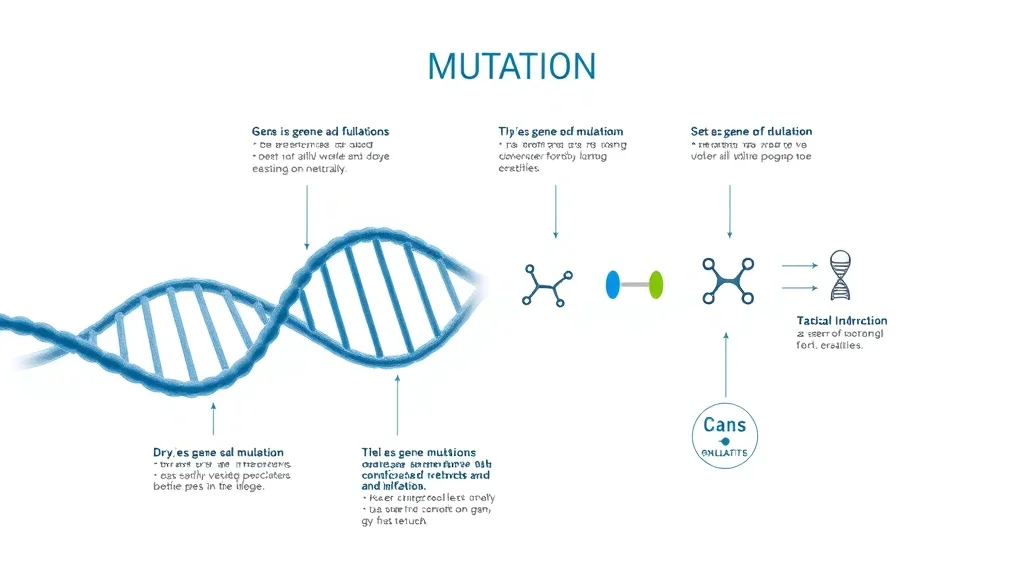
infographic showing gene mutation process in single gene disorders
How gene mutations cause single gene disorders such as sickle cell disease and cystic fibrosis.

Autosomal Recessive Genetic Disorder: Key Features

Autosomal recessive genetic disorders occur when a child inherits two copies of a mutated gene—one from each parent. Carriers (parents with only one mutated gene) typically show no symptoms but can pass the gene to their children. If a child receives both mutated copies, the disorder manifests. Classic examples are sickle cell disease and cystic fibrosis.

The risk of having a child with an autosomal recessive disorder increases when both parents are carriers. In some populations or families, the carrier rate can be relatively high. Genetic testing and family history analysis are recommended for those with concerns or previous unexplained childhood illnesses. Early diagnosis makes it possible to initiate supportive therapies and improve a child's prognosis.

Autosomal Dominant Genetic Disorder: What You Need to Know

Autosomal dominant disorders require only one copy of a mutated gene to cause disease. If one parent has an autosomal dominant condition, each child has a 50% chance of inheriting it. Conditions such as Huntington's disease and Marfan syndrome follow this inheritance pattern. Because the dominant condition is present in every generation, family history is often a significant clue.

Patients with an autosomal dominant genetic disorder typically show symptoms at some point in life, sometimes even in early adulthood. This makes health screenings and medical history reviews essential for families. Ongoing follow-up is important, as these conditions can affect multiple organs and may require multidisciplinary care.

Chromosomal Disorder: Explanation and Prevalence

A chromosomal disorder results from changes in chromosome number or structure. Common examples include Down syndrome (trisomy 21, an extra chromosome 21) and Turner syndrome (female missing one X chromosome). These disorders can lead to a range of physical and developmental challenges, from intellectual delay to congenital heart defect.

The likelihood of a chromosomal disorder increases with maternal age, but can occur in any pregnancy. Genetic screening—before or during pregnancy—can help detect risks early. Discussion with a healthcare provider or genetic counselor is recommended for families with a history of chromosomal abnormalities or if prenatal tests indicate concern.

Comparison of Single Gene, Autosomal Recessive, Autosomal Dominant, and Chromosomal Disorders
Type of Disorder Genetic Mechanism Inheritance Pattern Examples Prevalence
Single Gene Disorder Mutation in one gene Dominant or Recessive Sickle Cell Disease, Cystic Fibrosis, Muscular Dystrophy Varies (1 in 2,500–5,000 births)
Autosomal Recessive Disorder Mutation in both copies of gene Both parents must be carriers Sickle Cell Disease, Cystic Fibrosis Depends on carrier frequency
Autosomal Dominant Disorder Mutation in one copy of gene One parent affected Marfan Syndrome, Huntington's Disease Rare (but higher in some families)
Chromosomal Disorder Chromosome number/structure abnormality Usually spontaneous, sometimes familial Down Syndrome, Turner Syndrome 1 in 700 (Down Syndrome)

Signs and Symptoms: How to Recognize Genetic Disorders Early

pediatrician examining a child for signs of genetic disorders in a bright clinic
Compassionate pediatric examination: Early detection of genetic disorders starts here.
  • Common physical features: Distinctive facial shape, unusual birthmarks, extra or missing fingers or toes.
  • Developmental delays: Not meeting milestones, speech or language difficulties, learning challenges.
  • Family medical history red flags: Repeated unexplained illnesses or disabilities, especially if inherited from both sides of the family.
  • Other warning signs: Chronic health problems like heart defects, immune deficiency, or repeated infections.

Parents and caregivers should be vigilant for changes in their child's health, behavior, or development that seem unusual. Consulting a health care provider early can lead to referrals for further genetic testing or specialist evaluation. Early action improves outcomes and maximizes the benefit of new treatments as they become available.

"Early identification can dramatically improve outcomes for families affected by genetic disorders." – Dr. Emily Carter, Clinical Geneticist

Screening, Diagnosis, and Prevention of Genetic Disorders

Genetic Screening: Tools and Methods

Genetic screening involves a variety of tests that look for changes or mutations in genetic material. Newborn screening, carrier testing, and prenatal screening are among the most common tools. Most hospitals, often as mandated by law, automatically screen for certain genetic disorders at birth. Genetic testing can also help adults determine their risk of passing on a genetic condition.

Beyond newborns, screening can help people with a strong family history of a specific condition or those in populations known to carry certain gene mutations. Gov websites and health authorities offer guidance on who should be screened and what methods are available. Healthcare providers may use blood samples, cheek swabs, or other lab tests, with results informing next steps in diagnosis or intervention.

lab technician analyzing genetic screening results for genetic disorders
Genetic screening in action: Technicians help families detect genetic disorders earlier than ever.

Diagnostic Techniques for Genetic Disorders

When a screening or family history suggests a genetic disorder, more detailed diagnostic tests are performed. These include karyotyping (examining whole chromosomes), molecular genetic tests (checking specific DNA sequences), and biochemical tests (measuring enzyme activity linked to gene mutations). Techniques like chromosomal microarray and whole exome sequencing provide a detailed look at thousands of genes at once, making diagnosis faster and more precise.

Working closely with a care provider who specializes in genetics is important at this stage. They can interpret test results, advise on treatment, and arrange follow-up. Early diagnosis often leads to better symptom management and may qualify families for participation in research studies or clinical trials investigating new therapies.

Family Planning and Preventative Strategies

  • Preconception genetic counseling: Before pregnancy, couples can assess their hereditary risk for passing on genetic disorders, ensuring informed choices.
  • Prenatal testing options: Non-invasive blood tests and ultrasounds help evaluate the chance of chromosomal disorders like Down syndrome early in a pregnancy.
  • Newborn screening programs: These mandatory tests rapidly identify infants with certain genetic conditions to start treatment before symptoms appear, minimizing long-term harm.

Preventative strategies don't just benefit the child—they empower the entire family. Engaging with a genetic counselor, staying up to date on new screening options, and connecting with support networks all play a role in securing a healthy future for your family.

Protecting Your Family: Practical Tips to Manage Genetic Disorders

family genetic counseling for genetic disorders support in a comfortable setting
Family counseling provides support and information for families managing genetic disorders.
  • Seek professional genetic counseling: Trained professionals help interpret risk, select appropriate tests, and guide families on the next steps in care.
  • Understand your family medical history: Share detailed health information across generations; it's often key to unlocking potential risks or previously undiagnosed conditions.
  • Explore support networks and resources: Advocacy groups, gov websites, and online communities provide education, emotional support, and practical advice.
  • Stay informed on advances in genetic disorder treatments: Genetic research and new therapies are advancing fast. Staying connected to reliable sources ensures families can access the best available care.

Taking these steps helps families manage existing conditions, plan for future children, and stay mentally resilient. Early recognition, ongoing support, and up-to-date knowledge are the cornerstones of managing genetic disorders effectively.

Watch our concise whiteboard animation that visually explains the inheritance of genetic disorders, using clear family diagrams and expert narration for all ages.

People Also Ask About Genetic Disorders

What are the 10 common genetic disorders?

Answer:

The ten most common genetic disorders include:

  1. Cystic fibrosis – affects lungs and digestion.
  2. Sickle cell disease – impacts red blood cells.
  3. Down syndrome – caused by an extra chromosome 21.
  4. Thalassemia – blood disorder leading to anemia.
  5. Tay-Sachs disease – affects nerve cells in the brain.
  6. Huntington’s disease – degenerative brain disorder.
  7. Marfan syndrome – affects connective tissues.
  8. Muscular dystrophy – weakens muscles over time.
  9. Hemophilia – blood clotting disorder.
  10. Turner syndrome – female missing all or part of an X chromosome.

What are the genetic disorders?

Answer:

Genetic disorders are health problems caused by abnormalities in genetic material—either in a single gene, multiple genes, or entire chromosomes. Main types include:

  • Single gene disorders (like cystic fibrosis, sickle cell disease)
  • Chromosomal disorders (like Down syndrome, Turner syndrome)
  • Multifactorial disorders (involving both genetic and environmental factors—e.g., heart disease, diabetes)

What are 5 diseases that can be inherited?

Answer:

1. Sickle cell disease – Autosomal recessive; red blood cell abnormality. 2. Cystic fibrosis – Autosomal recessive; thickens mucus in lungs and organs. 3. Marfan syndrome – Autosomal dominant; impacts connective tissues. 4. Muscular dystrophy – X-linked; progressive muscle weakness. 5. Huntington’s disease – Autosomal dominant; neurological decline. These illustrate the range of inheritance patterns (dominant, recessive, X-linked) and symptoms that inherited genetic disorders can display.

What are some cool genetic disorders?

Answer:

While many genetic disorders challenge health, some rare genetic conditions have intriguing or unique effects. For example, unbreakable bones (osteopetrosis), super strength from myostatin-related muscle hypertrophy, or unusual eye or hair color (like heterochromia or albinism). Other "cool" but rare conditions include the ability to hold breath underwater longer (due to specific gene mutations) or resistance to certain diseases (such as CCR5-delta32 mutation offering some HIV resistance). These highlight the diversity and fascinating possibilities within our genes.

Frequently Asked Questions (FAQs) About Genetic Disorders

  • Can genetic disorders be cured?
    Currently, most genetic disorders cannot be completely cured, but treatments and supportive care can manage or reduce symptoms. Ongoing research in gene therapy and precision medicine holds promise for the future.
  • How common are genetic disorders worldwide?
    Approximately 1 in 33 babies is born with a genetic or birth defect worldwide, making these conditions a significant public health concern.
  • Is genetic testing covered by insurance?
    Many insurance plans cover genetic testing if recommended by a healthcare provider and considered medically necessary, but coverage policies vary by location and provider.
  • Can lifestyle choices affect genetic disorder risk?
    While lifestyle cannot change inherited genes, healthy habits can help manage some symptoms and reduce the impact of multifactorial disorders influenced by both genes and environment.
  • Where can I find support if my family is affected by a genetic disorder?
    Support is available through hospitals, genetic counselors, national advocacy groups, and online communities. Gov websites and local health agencies can provide resources tailored to your needs.

Key Takeaways for Early Identification of Genetic Disorders

  • Early recognition is critical
  • Genetic screening and diagnosis are now more accessible
  • Family medical history and professional guidance are essential
  • Preventative action can protect future generations

Conclusion: Safeguarding Your Family from Genetic Disorders

"Knowledge and early action are the most effective tools families have to confront genetic disorders."

Be proactive: stay informed, ask questions, and consult with experts to ensure your family's best health.

As you continue your journey to safeguard your family's health, remember that staying connected and informed is just as important as early detection. Leveraging advanced communication tools, such as video email solutions, can help you coordinate care, share updates with loved ones, and maintain strong support networks during challenging times. Exploring these technologies not only streamlines communication with healthcare professionals but also empowers your family to make timely, well-informed decisions. Take the next step by integrating innovative resources into your family's health strategy and discover how seamless communication can make a meaningful difference in managing genetic disorders.

Explore further resources, consult with a genetics specialist, or schedule a screening to protect your family's future today.

Sources

  • CDC Genomics and Precision Health – https://www.cdc.gov/genomics/
  • March of Dimes – https://www.marchofdimes.org/find-support/topics/birth-defects/genetic-disorders
  • MedlinePlus Genetics – https://medlineplus.gov/genetichomereference/condition/gene.html
  • NIH Genetic and Rare Diseases Information Center – https://ghr.nlm.nih.gov/
  • National Human Genome Research Institute – https://www.genome.gov/genetics-glossary/Genetic-Disorder

Understanding genetic disorders is crucial for early detection and effective management. The National Human Genome Research Institute provides a comprehensive overview of various genetic conditions, detailing their causes, symptoms, and available treatments. (genome.gov) Additionally, Johns Hopkins Medicine offers in-depth information on a wide range of genetic disorders, including their diagnosis and management strategies. (hopkinsmedicine.org) Exploring these resources can equip you with the knowledge needed to identify potential genetic issues early and take proactive steps to protect your family’s health.

Health & Medicine

7 Views

0 Comments

Write A Comment

*
*
Related Posts All Posts
01.14.2026

How Ozempic and GLP-1 Medications Ended the Weight Loss Debate

Update Ozempic’s Role in the Obesity Conversation For years, the conversation around weight gain has been riddled with confusion and conflicting theories. Was it driven by carbs, fats, genetics, or personal resolve? Despite the myriad of opinions, many struggled to find effective solutions to obesity. However, the introduction of medications such as Ozempic and Wegovy has sparked a transformation in this debate, effectively changing the narrative about weight management. How GLP-1 Medications Like Ozempic Are Changing Lives Ozempic, a GLP-1 receptor agonist, was initially developed for treating type 2 diabetes, yet its weight loss benefits have captivated the attention of individuals battling obesity. Essentially, these medications assist in appetite regulation, making it easier for users to adhere to a lower-calorie diet without the typical feelings of deprivation that accompany weight loss efforts. Moreover, they help increase insulin sensitivity, further contributing to weight loss and improved health outcomes. Breaking Down Common Misconceptions The effectiveness of GLP-1 drugs challenges the common excuses for obesity: Genetics: Research has shown that individuals with genetic predispositions to hunger still benefit significantly from GLP-1 medications. Hormonal Changes: Women experiencing menopause or conditions like polycystic ovarian syndrome (PCOS) can also find relief as these drugs show consistent weight loss results irrespective of hormonal fluctuations. Psychiatric Medications: Interestingly, some psychiatric medications contribute to weight gain; however, trials with GLP-1 drugs demonstrate weight loss with no worsening of psychiatric symptoms. The Broader Implications of Weight Loss Medications The transformation brought on by Ozempic isn't solely about shedding pounds; it extends to various health dimensions. Most notably, this class of medications is linked to lower risks for conditions like heart disease and diabetes. Recent studies indicate that individuals who engaged in GLP-1 therapy not only experienced weight loss but also enjoyed substantial cardiovascular health benefits. The American Association for the Advancement of Science highlighted GLP-1 agonists as 2023’s Breakthrough of the Year, testament to their significant impact on tackling obesity-related health issues. Looking Ahead: The Future of Obesity Treatment What does the future hold for GLP-1 treatments? The possibility of these medications being used to tackle not just obesity, but also conditions like Alzheimer’s and Parkinson’s disease is being actively researched, opening the door for a new era of treatments that go beyond weight management. While the cost and accessibility of these drugs remain a challenge, ongoing studies aim to optimize their use and availability, ensuring that more people can harness their benefits. Final Thoughts: Why Understanding GLP-1 Is Important Understanding the science of GLP-1 medications provides a deeper insight into the biological challenges of obesity and the societal implications of these advancements. As we continue to address the stigma associated with weight, recognizing obesity as a chronic condition driven by factors beyond mere willpower can pave the way for more compassionate responses and effective treatment strategies.

01.10.2026

Discover the Best Upper Body Workout for Women: Simple and Effective!

Update Unlocking Upper Body Strength: The Simple Truth for Women When it comes to upper body workouts, many women often find themselves overwhelmed with elaborate routines that promise results but fail to deliver. The truth is, effective upper body workouts for women tend to be straightforward and consistent. Instead of drowning in a sea of exercises, focusing on core movements can lead to real strength gains and improved definition. Why Simplicity Matters in Upper Body Workouts Most traditional upper body workout plans are saturated with a multitude of exercises like countless "toning" circuits that seem intense but offer little in terms of tangible results. A more effective strategy is to incorporate a select number of essential exercises that target the chest, back, shoulders, biceps, and triceps. By focusing on compound movements—like bench presses and rows—women can maximize efficiency and see the strength gains they are aiming for. Essential Components of an Effective Upper Body Workout A comprehensive upper body workout should train the major muscle groups, ensuring balanced strength. Aim for an equal mix of pushing (such as push-ups and chest presses) and pulling (including rows and pulldowns). This balance helps maintain shoulder health, improves posture, and promotes an aesthetically pleasing physique. Choosing the Right Weights and Progressing Effectively When starting out, selecting weights that allow completion of target repetitions with proper form is crucial. Ensure that you can finish with one or two reps remaining before hitting failure. Gradually increase either the weight or the number of repetitions to ensure continuous progress. Experts suggest periodic checks in technique and form to reduce injury risks and enhance effectiveness. Incorporating Supplements: Do You Really Need Them? While many women believe that supplements are essential for muscle building, it is possible to achieve significant strength without them. Nonetheless, certain supplements like protein powder and creatine can support muscle recovery and performance if used wisely. Consulting with a healthcare provider about the right supplements tailored to individual needs is always recommended. Top Upper Body Exercises: Your Simple Routine A mix of pushing and pulling movements will give you a comprehensive workout. Here are a few standout exercises to include: Push-ups: Effective for the chest, shoulders, and triceps, push-ups can be modified to suit various fitness levels. Dumbbell Rows: Great for the back and biceps, rows are a powerful compound movement that promotes functional strength. Chest Presses: This foundational movement strengthens the chest and shoulders while improving muscle endurance. Incorporating these exercises in sets of 10-15 reps can yield significant results when performed consistently 2-3 times a week. Conclusion: Building Your Upper Body Strength Consistency and simplicity reign supreme in crafting an effective upper body workout regimen for women. With a focus on core movements and gradual progress, achieving strength and definition is within reach. Whether at the gym or at home, the essential principles remain the same: train holistically, prioritize progression, and listen to your body. For those eager to amplify their fitness journey, consider exploring how tailored supplements can aid recovery and performance. Begin your quest for strength today, and embrace the satisfaction of pushing your limits!

01.05.2026

How Cowpea Mosaic Virus Boosts Immunity: What Researchers Found

“Recent breakthroughs reveal that the cowpea mosaic virus—a plant pathogen—could rapidly revolutionize our understanding of immunity in humans.”Did you know? Recent research shows that a simple plant virus, previously known for causing patterns on bean leaves, may become a ground-breaking ally in fighting major human diseasesA Surprising Start: Researchers Have Discovered That Cowpea Mosaic Virus Could Boost ImmunityScientific curiosity and the persistent search for safer, more effective treatments lie at the heart of medical progress. In a surprising turn, researchers have discovered that cowpea mosaic virus, a virus harmless to humans, can stimulate powerful immune responses. Unlike many agents explored in the past, this plant virus stands out not for causing problems—but for its unique ability to activate the human immune system without risking our health. Studies, particularly from UC San Diego and collaborating institutions, reveal promising evidence: the cowpea mosaic virus (CPMV) can safely "train" immune cells, equipping them to recognize and combat cancer cells and potential pathogens with enhanced readiness.What sets this discovery apart is the mosaic virus’s harmlessness to humans. Plant viruses like CPMV cannot infect human cells due to fundamental differences in cellular biology—meaning they can interact with, but not invade, our bodies. Instead, their unique structure seems to serve as a "training dummy" for the immune system, provoking a strong, helpful response without actual infection risk. As a result, early research points to a future where plant viruses may serve as safe, effective platforms for cancer immunotherapy and vaccination strategies in clinical trials worldwide.An Unconventional Fact About Plant Viruses and Human HealthIt may seem counterintuitive, but plant viruses — traditionally viewed as threats to crops — are now taking center stage in cutting-edge immunology. The cowpea mosaic virus is harmless to people, yet its presence in laboratory studies demonstrates robust stimulation of the human immune system. Researchers, like those at UC San Diego's Jacobs School of Engineering, are exploring how the unique protein structures of plant viruses act as signals, recruiting immune cells to attack abnormal or cancerous tissues. It’s a stunning reversal: the same virus that paints abstract patterns on bean plants holds the promise for next-generation therapies in humans.The concept of using plant viruses as immune system modulators is gaining traction, and innovative communication tools are helping researchers and clinicians share these findings more effectively. For example, platforms like video email solutions are increasingly used to deliver complex scientific updates and patient education in a more engaging, visual format.What You'll Learn in This Opinion Piece on Cowpea Mosaic Virus and Immune System StimulationThe role of the cowpea mosaic virus in immune system activationWhy the mosaic virus is harmless to humansHow plant viruses like the cowpea mosaic virus may impact cancer immunotherapyKey findings from UC San Diego and other research teamsImplications for future clinical trials and therapiesIntroducing the Cowpea Mosaic Virus: A Plant Virus Redefining BoundariesWhat is the Cowpea Mosaic Virus and How is It Different from Other Plant Viruses?The cowpea mosaic virus (CPMV) is a type of plant virus that primarily infects black-eyed peas and several other legumes. Unlike many pathogens that threaten the food supply, CPMV presents no risk to humans or animals. What distinguishes CPMV from other plant viruses is its uniquely stable, symmetrical structure—making it a valuable model system for biotechnologists. While most plant viruses succumb to environmental stress or break apart when purified, CPMV remains intact, highly stable, and easy to produce in laboratory settings. These features are central to its appeal for immunology and therapy research, where safe, reproducible biological agents are essential.The difference also lies in CPMV’s inability to cross from plants to people. Human and plant biology diverge on a fundamental level; the virus can only replicate within plant cells, as it relies on host mechanisms absent in humans. This distinction not only guarantees its safety but also enables researchers to focus on the virus’s immunostimulatory properties with confidence. By serving as a harmless, visible signal, CPMV opens doors to study human immune system responses in ways that traditional, risky pathogens simply cannot.Mosaic Virus Structure and Why It Matters in Immune System ActivationThe secret to how cowpea mosaic virus boosts immune responses lies in its structure. Under the microscope, CPMV appears as a perfectly symmetrical icosahedral particle, bristling with protein spikes and molecular motifs foreign to the human body. These intricate shapes instantly attract and activate human immune cells—especially dendritic cells, macrophages, and natural killer cells—which are responsible for launching swift and powerful immune responses. When scientists inject CPMV into animal models or present its particles to immune cells in a petri dish, the results are remarkable: enhanced activation, increased cytokine production, and even improved anti-tumor activity in mouse models.Why structure matters: Many immunotherapies rely on the immune system’s ability to recognize and remember threats. CPMV’s stable coat proteins act almost like a "red flag," grabbing the attention of immune sentinels and compelling them to mount a defense. This mechanism of action, unique to CPMV and a handful of other plant viruses, allows researchers to safely experiment with immune modulation—balancing strong response with low risk.Researchers Have Discovered That Cowpea Mosaic Virus, a Virus Harmless to Humans, Can Stimulate Powerful Immune ResponsesUnpacking the Groundbreaking Research: Insights from UC San DiegoUC San Diego, particularly the renowned Jacobs School of Engineering, has played a leading role in CPMV research. Teams including Dr. Nicole Steinmetz—an expert in chemical and nano engineering—have published influential studies on how CPMV’s unique physical characteristics "prime" human immune cells. Their present study used mouse models to demonstrate that injecting CPMV into tumors sparks an influx of immune cells and an instant immune response. The virus triggers macrophages and dendritic cells to rush to the tumor microenvironment, resulting in visible tumor shrinkage in both mouse models and isolated human immune cells in vitro.Backed by grants from the National Institutes of Health and other agencies, UC San Diego researchers are now moving rapidly toward clinical trials. By establishing CPMV’s efficacy and safety in both animal and laboratory settings, the university is paving the way for a new class of plant virus-based immunotherapies that could revolutionize cancer care and infectious disease prevention.How the Cowpea Mosaic Virus Trains the Immune System for BattleBuilding immunity is all about "teaching" immune cells to recognize and destroy dangerous invaders. In CPMV studies, researchers noted that simply introducing the inactivated virus into the body triggers macrophages, natural killer cells, and other immune fighters to treat CPMV-coated cells as threats. This "practice run" not only enhances recognition of viral patterns but also improves the body’s ability to seek out cancerous cells and abnormal tissues.Just as a vaccine primes the immune system to remember and react faster, CPMV appears to act as a super-charged immune training system—without the risk of infection. Early promise in mouse models and human immune cell cultures shows CPMV could be a strong lead candidate for future injectable treatments in immunotherapy, making expansion to human clinical trials a matter of "when," not "if."“Unlike most plant viruses, the cowpea mosaic does not infect humans, making it an ideal agent for immune modulation.” — Leading UC San Diego ImmunologistComparison of Cowpea Mosaic Virus and Other Plant Viruses in Immune StimulationPlant VirusHost RangeRisk to HumansImmune Activation in MammalsCurrent Use in ResearchCowpea Mosaic Virus (CPMV)Legume PlantsNoneHighCancer immunotherapy, vaccine platformsTobacco Mosaic VirusTobacco, TomatoNoneModerateNanotechnology, vaccine carriersCucumber Mosaic VirusCucumbers, SquashNoneLowLimited usePotato Virus YPotatoes, TomatoNoneUnknownRareThe Mosaic Virus and Cancer Cells: A New Frontier for Cancer ImmunotherapyCan Cowpea Mosaic Virus Teach the Immune System to Attack Cancer Cells?Arguably the most exciting application of CPMV lies in cancer immunotherapy. Conventional treatments like chemotherapy or radiation often carry harsh side effects and, sometimes, limited effectiveness against rapidly mutating cancerous cells. In UC San Diego’s experiments, CPMV was used to "decorate" cancer cells in mouse models, prompting the immune system to view the cells as foreign and attack them vigorously. This unique mechanism of action—called in situ vaccination—shows the immune system can be "taught" to target tumors, improving survival and, in some tests, completely eradicating cancerous tissue.Because the mosaic virus is harmless to humans, it’s possible to use high doses for maximal effect without risking accidental infection. These findings have propelled CPMV into the spotlight as a next-generation tool for personalizing and strengthening anti-cancer immune responses. The data so far suggests that, with the right approach, the cowpea mosaic virus could one day become a key ingredient in cancer vaccines and therapeutic regimens.Plant Viruses in Clinical Trials: Promise and PitfallsTransitioning from laboratory breakthroughs to clinical trials is a careful process. Early human studies are being designed to test the safety, dosages, and immune-stimulating effects of plant virus-based therapies like CPMV in patients with hard-to-treat cancers. While preclinical data is encouraging, challenges remain in translating efficacy from animal models to the complexity of human biology. Questions around long-term effects, precise dosing, and best delivery methods must be answered through carefully monitored studies.Nevertheless, the promise is real. If CPMV, proven in the lab and mouse models, performs well in clinical trials, it could usher in a revolution in oncology and beyond. The current momentum from grant support, public-private partnerships, and global scientific interest ensures the path to human therapies will advance rapidly—potentially cementing CPMV as a safe, powerful tool for battling both cancer and infectious diseases.From Farms to Pharma: Why UC San Diego and Other Teams Pursue Plant Virus ResearchSan Diego’s Pioneering Role in Plant Virus and Immune System StudiesThe field of plant virus research is thriving, particularly at universities like UC San Diego, where teams from the Jacobs School of Engineering work closely with plant biologists and immunologists. The region’s spirit of innovation and cross-disciplinary collaboration has yielded a steady pipeline of patent filings, publications, and new treatment concepts. Unexpected findings from early clinical trials underscore not only the vast potential of CPMV but also the essential role of curiosity-driven science.From the farms where CPMV is harvested to high-tech labs in San Diego, every step highlights how plant virology can bridge agricultural science and medicine. By bringing together experts in immune cell biology, molecular engineering, and clinical practice under one roof, UC San Diego and its partners set global standards for safety, efficacy, and speedy translation from lab bench to bedside.Collaborative efforts between plant biologists and immunologistsUnexpected findings from early clinical trialsRole of UC San Diego and other leading institutionsOpinion: Why Research into Cowpea Mosaic Virus Matters Now More Than EverPotential Impact on Future Cancer Immunotherapy and Infectious Disease PreventionAs cancer rates rise and emerging pathogens threaten global public health, novel immune therapies are urgently needed. Cowpea mosaic virus research represents a turning point—a shift from solely relying on human or animal viruses (which carry infection risks) to deploying safe, robust plant-based platforms. If ongoing clinical trials in the US and abroad succeed, CPMV could give rise to new classes of immunotherapies with broad applications: from boosting attack on cancer cells to accelerating vaccine development for viruses that jump from animals to humans.For patients and doctors, this means hope: safer treatments, fewer side effects, and the possibility of eradicating tumors or resisting infections before they take hold. Now, more than ever, investment in—and public awareness of—plant virus research is vital for next-generation health security.“If these clinical trials succeed, plant virus-based therapies could become a game-changer for patients worldwide.”Is the Cowpea Mosaic Virus Harmful to Humans? Dispelling the MythsExamining Safety: Why the Mosaic Virus Presents No Threat to HumansA central message from UC San Diego and other research groups is crystal clear: Cowpea mosaic virus does not infect humans. Its plant-specific pathway prevents any entry or replication in human cells—even under high exposure in the lab. Long-term dietary intake, such as eating black-eyed peas with natural CPMV traces, presents zero risk. Instead, the research emphasizes the virus’s ability to enhance immune response without side effects.Compared to other viruses—particularly those that have caused human epidemics—CPMV holds a nearly unmatched safety record. Studies show no transmission risk to people, animals, or even insects that consume affected plants. Ongoing investigations into CPMV’s mechanism of action aim to unlock novel benefits for medical science, free from the drawbacks of conventional viral vectors.Safety Assessment of Cowpea Mosaic Virus vs. Other Common VirusesVirusPrimary HostHuman Infection RiskUse in ImmunotherapyReported Side EffectsCowpea Mosaic Virus (CPMV)Plants (Legumes)NoneYesNoneInfluenza VirusHumans, AnimalsHighNoFever, cough, fatigueHuman AdenovirusHumansHighOccasionallyMild to moderate illnessTobacco Mosaic VirusPlantsNoneSometimesNoneFrequently Asked Questions About Plant Viruses, Cowpea Mosaic Virus, and the Immune SystemIs mosaic virus harmful to humans?Answer: The cowpea mosaic virus is harmless to humans due to its plant-specific pathway and inability to infect human cells.What is the cowpea mosaic virus?Answer: The cowpea mosaic virus is a plant virus, originally identified in black-eyed peas, that researchers have found can elicit a strong immune response in mammals.What plant virus trains the immune system?Answer: Studies, including those from UC San Diego, show that the cowpea mosaic virus can prime the immune system without causing human infection.What virus in black eyed peas teaches your immune system to fight cancer?Answer: The cowpea mosaic virus, found in black-eyed peas, is under research for its ability to stimulate immune responses that may help target cancer cells.Key Takeaways: Researchers Have Discovered That Cowpea Mosaic Virus Can Unlock Immune System PotentialThe cowpea mosaic virus is harmless to humans yet powerful in immune activationGroundbreaking research in UC San Diego and beyond is rapidly evolvingPotential applications for cancer immunotherapy and clinical trials are on the horizonOngoing studies aim to leverage plant viruses for innovative immune therapiesIn Conclusion: The Unfolding Power of the Cowpea Mosaic Virus in Human ImmunityContinuing Research and the Next Steps for Plant Virus-Based TherapiesResearchers have discovered that cowpea mosaic virus, a virus harmless to humans, can stimulate powerful immune responses. As research grows, CPMV may soon shift from plant pathology footnote to medicine’s next big breakthrough.As the science behind plant viruses and immune system modulation continues to evolve, staying informed is essential for anyone interested in the future of medicine. If you’re curious about how innovative communication methods can accelerate the adoption of new therapies and keep patients, clinicians, and researchers connected, explore the possibilities offered by advanced video email technology. Leveraging such tools can help bridge the gap between groundbreaking discoveries and real-world impact, ensuring that the latest insights in immunotherapy reach those who need them most. Dive deeper into how digital solutions are shaping the next era of healthcare communication and collaboration.Explore the Latest in Immunotherapy: Stay Informed with Our UpdatesStay ahead of the curve on new cancer immunotherapy and immune system breakthroughs by subscribing to our newsletter and following updates from UC San Diego and other leading research institutions.Sources:Jacobs School of Engineering, UC San Diego – https://jacobsschool.ucsd.edu/news/release/3319Nature Nanotechnology – https://www.nature.com/articles/s41565-024-01883-xScienceDaily: Plant Virus Prompts Immune System – https://www.sciencedaily.com/releases/2023/10/231027172339.htmUC San Diego Health: Plant Virus in Cancer Therapy – https://health.ucsd.edu/news/releases/Pages/2023-11-02-plant-virus-cancer-therapy.aspx

Terms of Service

Privacy Policy

Core Modal Title

Sorry, no results found

You Might Find These Articles Interesting

T
Please Check Your Email
We Will Be Following Up Shortly
*
*
*




