

Did you know over 350 million people worldwide live with a rare disease, yet many wait years for answers? If you or a loved one are caught in the frustrating cycle of unexplained symptoms and inconclusive tests, you’re not alone
A Startling Overview: The Challenge of Rare Disease Diagnosis
The world of rare disease diagnosis is daunting, marked by confusion and prolonged uncertainty. Millions face a diagnostic odyssey—a lengthy and often overwhelming process of seeking answers for unexplained health issues. Rare diseases collectively affect as many people as common chronic illnesses, but because each disease affects relatively few individuals, awareness among healthcare providers and the public remains limited. The result: families endure years of misdiagnoses and ineffective treatments before an accurate diagnosis is made.
These struggles are not rarities but common threads among rare disease patients. A rare disorder can affect any age, gender, or ethnicity, and the lack of distinct symptoms only adds to the challenge. In many cases, symptoms mimic more common conditions, making it difficult for health care providers to consider a rare disease early in the process. Stress, uncertainty, and the feeling of being misunderstood are daily realities for those on this journey, emphasizing the urgent need to educate, empower, and support patients and their families.
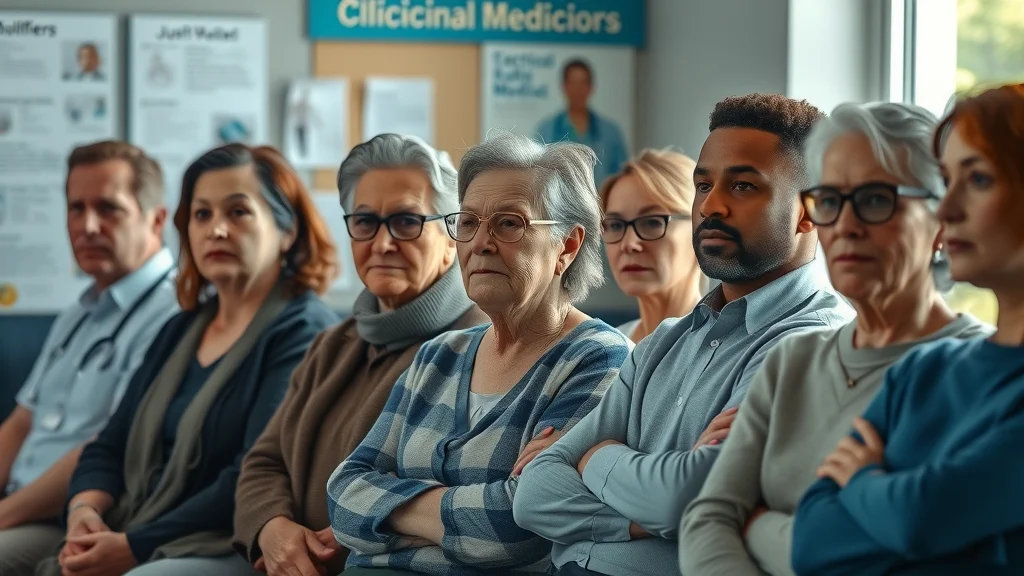
Rare Disease Diagnosis by the Numbers: Unveiling the Diagnostic Odyssey
For millions globally, rare diseases remain hidden specters. The journey to a diagnosis is often called a "diagnostic odyssey" because of its length and complexity. According to experts, it takes patients an average of 5–7 years to receive an accurate diagnosis for a rare disease. During this period, they endure repeated tests, consultations, and sometimes unnecessary treatments. In the United States alone, rare diseases collectively outnumber some of the most common health conditions, yet funding, research, and clinical awareness lag far behind. Many families share stories of visiting dozens of specialists before finally uncovering the cause of their symptoms.
"Over 350 million people worldwide are living with a rare disease—many undiagnosed for years." – Rare Disease Expert
Misdiagnosis isn’t just a personal struggle; it’s a public health issue, straining health systems and delaying life-saving interventions. The impact ripples across society, increasing the urgency for improved diagnostic options, better genetic testing, and targeted education initiatives among healthcare providers. Only with increased awareness and action can the cycle of delayed diagnosis and lost hope be broken for people living with rare diseases.
As you navigate the complexities of rare disease diagnosis, leveraging innovative communication tools can be invaluable for staying connected with healthcare teams and support networks. For example, platforms like Talk Fusion’s video email solutions can help patients and advocates share updates, medical information, and resources efficiently, ensuring everyone involved remains informed throughout the diagnostic journey.
What You'll Learn in This Guide to Rare Disease Diagnosis
- Understand the complexities of rare disease diagnosis
- Navigate the stages of seeking rare disease diagnosis
- Recognize key symptoms that require specialized evaluation
- Empower rare disease patients and families with actionable steps
Defining Rare Disease Diagnosis: What Makes a Disease 'Rare'?
A disease is classified as rare when it affects a very small fraction of the population—fewer than 200,000 people in the United States or less than 1 in 2,000 individuals in the European Union. These rare diseases, sometimes called orphan diseases, include thousands of unique conditions ranging from rare genetic disorders like cystic fibrosis to rare cancers and metabolic problems. Despite their individual rarity, collectively rare diseases impact millions worldwide, making the pursuit of timely diagnosis and treatment a significant public health priority.
The standards for diagnosing rare diseases are distinct. Most require specialized testing, such as genetic assays, and deep expertise that may not be available to the typical care provider. Families seeking answers often need to track subtle, persistent symptoms and push for more thorough evaluations as part of their diagnostic odyssey. Without a clear standard, both patients and healthcare systems struggle to identify rare diseases quickly and accurately, contributing to the emotional and financial toll on all involved.
Rare Disease, Rare Genetic Disorder, and Diagnostic Standards
Not all rare diseases are genetic, but many have a genetic component. A rare genetic disorder refers to any genetic disease that meets the prevalence criteria for a rare disease. These include conditions like sickle cell disease, certain immunodeficiencies, and countless others. Recognizing the overlap between rare and genetic disorders is crucial for families seeking clarity. Diagnostic standards are evolving, but genetic testing, family history assessment, and the involvement of specialized health care professionals are often central to achieving an accurate diagnosis. Increasing access to specialized centers and leveraging the expertise of the national institutes of health are making incremental progress in the complex field of rare disease diagnosis.

"A rare disease affects less than 1 in 2,000 people, presenting unique diagnostic challenges."
| Factor | Rare Diseases | Common Diseases |
|---|---|---|
| Prevalence | <1 in 2,000 people (EU); <200,000 in U.S. | >1 in 20 people |
| Symptoms | Often non-specific, overlap with other conditions | Distinct, widely recognized patterns |
| Diagnosis Timeline | 5–7 years on average | Weeks or months |
| Primary Diagnostic Tools | Genetic testing, specialist input | Standard clinical tests |
Why Rare Disease Diagnosis is So Complex
The path to rare disease diagnosis is laden with obstacles. Each rare disorder is unique in its manifestation, with symptoms often masquerading as more common ailments. This leads to a high rate of misdiagnosis or delayed diagnosis as health care providers may not encounter these diseases frequently in their practice. Adding to the challenge, research for rare diseases is typically underfunded, limiting the resources available for advanced testing and treatment development.
Many rare diseases, particularly rare genetic conditions, come with non-specific symptoms—fatigue, pain, or developmental delays—that overlap with myriad other health issues. This symptom overlap can drain patients and their families, leaving them feeling isolated and frustrated. The journey demands resilience, advocacy, and the right support at every step, as traditional healthcare processes were not designed with rare diseases in mind.
The Diagnostic Odyssey: Why It Takes Years for Rare Disease Diagnosis
- Lack of awareness among healthcare providers: Most primary care providers receive limited training in rare diseases and may overlook subtle signs or family history that point toward a rare diagnosis.
- Non-specific symptoms in rare diseases: Many rare conditions mimic more prevalent health concerns. As a result, patients are often treated for wrong or broad-spectrum ailments, causing significant delays.
- Limited access to genetic testing for rare diseases: Access to advanced genetic tests can be limited by location, cost, and insurance coverage concerns. This restricts timely and accurate diagnosis for thousands.

"For many rare disease patients, the journey to diagnosis is a marathon, not a sprint." – Leading Healthcare Provider
Top 10 Rarest Diseases: People Also Ask
What are the top 10 rarest diseases?
- Ribose-5-phosphate isomerase deficiency
- Fields' condition
- Methemoglobinemia
- Hutchinson-Gilford progeria syndrome
- Alkaptonuria
- Von Hippel-Lindau disease
- Stiff person syndrome
- Microcephaly
- Kuru
- Fatal familial insomnia
What is the hardest disease to diagnose?
- Kawasaki disease, Ehlers-Danlos syndrome, and Chronic Fatigue Syndrome often top the list due to overlapping symptoms with other disorders and a lack of specific biomarkers. However, many rare diseases present immense diagnostic challenges.
What qualifies as a rare disease?
- A rare disease is officially defined by prevalence—fewer than 200,000 affected individuals in the U.S., or less than 1 in 2,000 in the EU.
How do you know if you have a rare disease?
- Unexplained symptoms, a family history of genetic disorder, and lack of answers after standard medical testing all warrant a rare disease diagnosis workup.
Step-by-Step: The Rare Disease Diagnosis Process
- Gather and Document Symptoms: Keep a detailed log of recurring and unusual health symptoms. This helps healthcare providers form a broader view, especially for rare disorders that unfold gradually.
- Seek a Specialist with Experience in Rare Diseases: Not every care provider is equipped to diagnose rare diseases. Referral to a specialist, especially in rare genetic or metabolic conditions, is critical for progress.

- Undergo Thorough Medical and Family History Evaluation: Many rare diseases have genetic roots. Gathering comprehensive family background can reveal key diagnostic clues that inform future testing.
- Pursue Advanced Laboratory and Genetic Testing: Genetic testing, metabolic panels, and imaging studies are frequently necessary to confirm a rare disease diagnosis. Labs specializing in rare conditions can shorten this phase.
- Get a Second Opinion on the Rare Disease Diagnosis: Because the process is fraught with complexity, it’s wise to consult another specialist or center of excellence for confirmation.
- Pursue Additional Research and Patient Advocacy Resources: Use advocacy groups, online medical directories, and support networks to supplement your diagnostic journey—sometimes these communities identify emerging clinical trials or new discoveries before mainstream providers.
"Persistence is vital: Most rare disease diagnoses require multiple consultations across disciplines." – Rare Disease Patient Advocate
Role of Healthcare Providers in Rare Disease Diagnosis
The involvement of healthcare providers is indispensable on the diagnostic odyssey. While family doctors often initiate the search for answers, specialists with expertise in rare diseases drive progression to accurate diagnosis. This partnership is essential: primary care providers coordinate care and interpret initial findings, while specialists recommend advanced testing and targeted treatments. Challenges remain, however, as gaps between general practitioners and specialty care may slow advancement.
Improving collaboration through integrated health systems, frequent knowledge exchange, and referral to national centers of excellence can break the cycle of diagnostic delay. New protocols encourage bidirectional communication—patients are empowered to report persistent symptoms, and providers are encouraged to think “zebra” (rare) rather than always “horse” (common).
Primary Care Provider & Specialist Collaboration on Rare Disease
Primary care providers play a pivotal role, often acting as the gatekeeper for specialized tests and referrals. These professionals maintain the patient’s comprehensive medical record, provide routine care, and can spot subtle or evolving symptoms that otherwise could be missed. When a rare disease is suspected, strong collaboration with geneticists, neurologists, or rare disease experts becomes crucial. Specialists bring knowledge of emerging therapies, clinical trials, and the latest research—resources not always accessible in general practice. Effective communication between these teams can dramatically shorten the duration of the diagnostic odyssey and lead to an accurate diagnosis sooner.

How Healthcare Providers Are Trained for Rare Diseases
Most medical training still centers on common diseases, so targeted education about rare diseases is on the rise. Initiatives by the national institutes of health, professional societies, and patient organizations, alongside continuing medical education, are bridging knowledge gaps. Healthcare providers can now access databases, online toolkits, and telemedicine consultations with rare disease experts. Such resources are critical for accurate and timely diagnosis, especially as genetics and precision medicine evolve. Furthermore, some health systems facilitate mentorship programs connecting community practitioners with academic medical centers specializing in rare and genetic disorders.
Bridging Communication with Rare Disease Patients
Patients and their families must be heard and respected during the diagnostic journey. Open, empathetic communication—where patients share their experiences and providers respond with validation—can alleviate the emotional weight of uncertainty. Providers should recognize that patients may be more knowledgeable about their rare condition than their care team and be receptive to patient-sourced medical evidence. Engaged partnerships, second opinions, and the use of plain language in discussing medical concepts can instill confidence and foster trust throughout the diagnostic process.
"Empowering disease patients means truly listening and partnering for accurate rare disease diagnosis."
Patient Perspective: Coping with a Diagnostic Odyssey
The diagnostic odyssey isn’t just a clinical challenge—it’s an emotional marathon. For rare disease patients and their families, the path is filled with anxiety, repeated disappointments, and countless unanswered questions. Living with a rare disease or a rare genetic disorder can mean lifelong uncertainty and barriers to everyday activities. Patients often become their own advocates, learning to navigate complex health systems and educate themselves about possible causes and treatments.
Alongside physical symptoms, the stress of pursuit can impact mental health, relationships, work, and finances. It’s important to acknowledge these non-medical aspects and offer support wherever possible. Compassionate care, timely mental health referrals, and involvement in patient advocacy organizations can mean the difference between isolation and empowerment.
A Rare Disease Patient’s Story
Take the story of Anna, a dedicated mother who experienced unexplained symptoms for years—persistent fatigue, fainting spells, and muscle pain. She visited a dozen care providers, each one suggesting increasingly rare diagnoses as standard tests returned normal results. Eventually, a neurologist recognized the pattern and ordered advanced genetic testing. The result confirmed a rare mitochondrial disorder. Anna’s journey represents the reality for many rare disease patients: success hinged on persistence, seeking multiple opinions, and finding a specialist who listened. Anna now uses her experience to help others as a patient advocate, embodying hope amid struggle.
Mental Health Challenges in Pursuit of Rare Disease Diagnosis
The prolonged search for answers takes a toll on mental health. Feelings of frustration, despair, and anxiety are common when every new appointment leads to further questions. Patients and their families may face skepticism from providers or even loved ones who doubt the severity of their suffering. The emotional burden can be heavy, emphasizing the need for psychological support, counseling, and peer support networks. Finding a care provider with experience in rare diseases can offer much-needed hope and a path toward both medical and mental health recovery.

Support Systems & Patient Advocacy in Rare Diseases
No one should face a rare disease diagnosis journey alone. Advocacy and support organizations exist to offer information, resources, and community. By connecting patients to others with similar experiences, these groups banish isolation and bolster resilience. They help families navigate clinical trials, find expert specialists, and advocate for improved rare disease research and care. The rare disease patient voice is a critical force for progress—shaping new policies, spurring innovations, and helping others find hope in the face of uncertainty.
Understanding Genetic Disorders in Rare Disease Diagnosis
Rare genetic disorders account for a significant percentage of all rare diseases. These disorders stem from mutations in DNA that impact body functions, often from birth. Recognizing when and how to test for these mutations is vital: newborn screening has led to early diagnosis for some rare diseases, while adult-onset or less typical presentations still pose obstacles.
Genetic counseling is an essential part of this process. Families with a history of rare diseases or unexplained health concerns can benefit from early counseling, helping them understand risks and testing options. Advances in genetic testing are bringing new hope, allowing for previously elusive rare disease diagnoses to be made faster and more affordably.
When is Genetic Testing Recommended?
Genetic testing isn’t for everyone, but it is a powerful tool for confirming or ruling out a rare genetic disorder. It is particularly recommended when patients present with unexplained symptoms that suggest a genetic cause, or when a known family history is present. Infants, children, and adults can all benefit—in some cases, testing leads to earlier intervention, targeted therapies, and improved outcomes for rare disease patients.

Rare Genetic Markers and Their Diagnostic Value
Discovering rare genetic markers—unique mutations only found in a small portion of the population—can confirm a diagnosis, inform treatment, and even connect families with new research and clinical trial opportunities. For diseases with established gene associations, targeted testing helps shorten the diagnostic odyssey. However, rare variants with unknown significance can complicate interpretation and reinforce the value of genetic counseling and longitudinal follow-up. Accessible testing, research collaboration, and online database sharing accelerate progress for families pursuing answers for rare genetic diseases.
| Test | Benefits | Limitations | Accessibility |
|---|---|---|---|
| Whole Exome Sequencing | Comprehensive, detects unknown mutations | May yield uncertain findings; costly | Available at major centers |
| Targeted Gene Panels | Faster, less expensive | Misses unexpected mutations | Expanding in specialty labs |
| Chromosomal Microarray | Detects large deletions/duplications | Cannot detect single gene issues | Widely available |
| Single Gene Sequencing | Confirms known disorders | Only for diseases with clear suspicion | Specialist required |
Emerging Technologies Transforming Rare Disease Diagnosis
Innovations in technology are revolutionizing how rare diseases are diagnosed and managed. Digital health tools—including AI-driven symptom checkers and telemedicine—enable patients and primary care providers to capture subtle patterns that might otherwise be missed during brief office visits. wearable devices and remote monitoring platforms track health metrics over time, flagging clues that prompt deeper investigation.
High-throughput genetic sequencing, machine learning algorithms, and precision medicine initiatives led by the national institutes of health are shrinking the time to diagnosis. These advancements offer hope for earlier intervention and better outcomes for families navigating the rare disease diagnostic odyssey.
Digital Health Tools Used in Rare Disease Diagnosis
Patient-facing apps, online medical directories, and secure data-sharing platforms enable families and providers to collect, organize, and interpret extensive symptom histories. For rare diseases, where subtlety and evolution matter, these tools can reveal patterns invisible to the naked eye. Online support groups and virtual care visits also minimize geographic and specialty barriers, connecting patients to rare disease expertise wherever they live.
AI-Assisted Detection of Rare Diseases
Artificial intelligence (AI) is transforming rare disease diagnosis. Algorithms trained on millions of medical records and genetic profiles can now suggest previously missed diagnoses, offering both providers and patients a powerful tool for narrowing options and making timely referrals. AI platforms are increasingly integrated into hospital systems, improving accuracy, reducing bias, and flagging rare diseases earlier than traditional approaches. Early adopters have seen dramatic reductions in the diagnostic odyssey for conditions like rare cancers and complex syndromic disorders.

Genomics and Precision Medicine: New Frontiers in Rare Disease
The marriage of genomics and precision medicine promises to transform every facet of rare disease diagnosis. By mapping an individual’s entire genome and comparing it with global research data, clinicians can spot hidden mutations, understand disease mechanisms, and offer personalized therapies. Initiatives like the 100,000 Genomes Project and NIH-funded clinical trials are pushing boundaries, unlocking solutions for the most elusive rare genetic diseases. As costs fall and capacity rises, these cutting-edge approaches will empower families to move from diagnostic odyssey to clear answers—and hope.
"Artificial intelligence is shrinking the diagnostic odyssey for many rare disease patients." – Genomics Thought Leader
Accessing Resources and Support for Rare Disease Diagnosis
Access to quality information and support is pivotal for families navigating a rare disease diagnosis. Online databases, research consortia, and diagnostic networks now compile exhaustive lists of rare disorders, their symptoms, gene markers, and treatment options. These databases empower both patients and healthcare providers to stay updated and improve the odds of timely diagnosis.
Patient advocacy groups offer connection, education, and policy support, helping newly diagnosed patients and veterans alike find community and hope. By joining these organizations, families gain tools to participate in research, locate clinical trials, and receive emotional support from those who understand their journey firsthand.
Online Databases: Rare Disease Directories
Platforms such as Orphanet, the National Organization for Rare Disorders (NORD), and Genetic and Rare Diseases Information Center (GARD)—often run with support from the national institutes of health—offer encyclopedic resources for families and providers alike. These directories provide disease descriptions, gene lists, and active research initiatives, making them vital starting points for rare disease diagnosis research and support.
Rare Disease Organizations and Advocacy Groups
Advocacy organizations play an essential advocacy and support role. They facilitate access to experts, organize awareness campaigns, and champion legislative change. These groups work closely with the public health sector and the wider rare disease patient community to amplify the patient voice and drive policy improvements.
-
Top International Rare Disease Support Networks:
- National Organization for Rare Disorders (NORD)
- EURORDIS – Rare Diseases Europe
- Genetic and Rare Diseases Information Center (GARD)
- Rare Disease United Foundation
- Global Genes
Practical Tips for Patients: Advocating for Accurate Rare Disease Diagnosis

- Maintain a Medical Diary: Keep a detailed log of symptoms, triggers, and appointments to help providers spot diagnostic patterns.
- Seek Expert Consultations: Request referrals to rare disease specialists or academic medical centers when conditions remain unexplained.
- Utilize Telehealth for Rare Diseases: Leverage virtual appointments for access to distant experts and reduce travel burden.
- Join Rare Disease Patient Communities: Connect with advocacy groups and online forums for support, resources, and up-to-date information.
FAQs on Rare Disease Diagnosis
- How long does a rare disease diagnosis usually take? Most rare disease patients face an average diagnostic delay of 5–7 years. Contributing factors include non-specific symptoms, limited access to specialists, and a lack of awareness among healthcare providers.
- Are rare diseases always inherited? Not all rare diseases are genetic. While many stem from inherited mutations, others can arise from environmental, infectious, or unknown causes.
- Can rare disease diagnosis change over time? Yes, as new research and genetic discoveries emerge, earlier diagnoses may be revised. Ongoing follow-up with specialists is essential for rare disease patients.
- What role do international registries play in rare disease diagnosis? Registries connect patients and researchers globally, enabling better data collection, research collaboration, and improved diagnosis and treatment standards.
- Is genetic counseling necessary for all rare disease patients? While not always required, genetic counseling provides valuable guidance for families with a suspected or confirmed rare genetic disorder, aiding in testing decisions and long-term health planning.
Key Takeaways: Navigating the Rare Disease Diagnostic Odyssey
- Early recognition and advocacy accelerate rare disease diagnosis
- A multidisciplinary approach is essential for rare diseases
- Patient support and education can reduce the burden of the diagnostic odyssey
Final Thoughts: Empowering Rare Disease Patients and Families
"Diagnosing a rare disease is a journey—perseverance and partnership are your strongest tools."
The journey toward a rare disease diagnosis is rarely straightforward, but with the right strategies and support, you can transform uncertainty into empowerment. As you continue to seek answers, consider how innovative communication and advocacy tools can streamline your experience and foster stronger connections with your care team. If you’re interested in exploring how advanced video email solutions can enhance your outreach and support network, discover the possibilities with Talk Fusion. Taking the next step in your advocacy or care coordination could open new doors to resources, expert insights, and a more connected rare disease community.
Discover more resources and connect with a rare disease advocacy organization today.
Watch: Insights from Rare Disease Patients and Physicians — A short documentary styled with interviews, real-life stories, and expert voiceovers, bringing to life the challenges and triumphs of rare disease diagnosis. Subtitles are included for accessibility.
This educational video showcases the power of genetic testing in uncovering answers for rare disease patients. See real patient journeys and leading-edge insights from clinical researchers.
Sources
- National Institutes of Health: Genetic and Rare Diseases Information Center – https://rarediseases.info.nih.gov/
- Nature Reviews Disease Primers: Diagnostic Odyssey – https://www.nature.com/articles/nrdp201670
- Orphanet: The portal for rare diseases and orphan drugs – https://www.orpha.net/consor/cgi-bin/index.php?lng=EN
- National Organization for Rare Disorders – https://www.rarediseases.org/
- EURORDIS – Rare Diseases Europe – https://www.eurordis.org/
Navigating the complexities of rare disease diagnosis can be overwhelming, but several resources are available to assist you on this journey. The National Organization for Rare Disorders (NORD) offers comprehensive support, including access to a database of rare disease experts and information on clinical trials. (rarediseases.org) Additionally, the Genetic and Rare Diseases Information Center (GARD) provides free support through dedicated Information Specialists who can help you find information about rare diseases, navigate the diagnostic process, and connect with patient communities. (magazine.medlineplus.gov) If you’re seeking innovative diagnostic tools, RareMD offers RareLook™, a platform that empowers patients and caregivers to create a science-based, do-it-yourself second opinion by generating a list of predicted rare diseases based on selected signs and symptoms. (raremd.com) By leveraging these resources, you can take proactive steps toward understanding and managing rare disease diagnoses.










Write A Comment