

Did you know that more than 300 million people worldwide live with a rare disease—yet most are hidden in plain sight due to gaps in data and understanding? The science of rare disease epidemiology uncovers vital truths about these conditions, offering critical insights that can transform both research and public health
A Startling Statistic: Opening Rare Disease Epidemiology’s Hidden Truths
Rare disease epidemiology shines a light on some of the most neglected corners of health science. Although each rare disease affects fewer than 1 in 2,000 individuals, together they impact up to 6–8% of the world’s population. That means the burden of rare diseases rivals that of common chronic diseases—a fact that most public health systems have only recently begun to recognize. Rare diseases present unique challenges: data on their prevalence is scarce; registries are inconsistent across countries, and definitions vary, affecting everything from research funding to clinical care. By focusing on key metrics like point prevalence and cumulative point prevalence, and leveraging reliable sources such as Orphanet data, researchers and policymakers can make informed decisions to improve outcomes for patients with rare diseases. When these invisible conditions are measured and tracked accurately, the entire healthcare system benefits—from earlier diagnosis to better treatment development and more responsive health policies.

For those interested in how digital communication tools can enhance awareness and collaboration in rare disease research, exploring video email solutions for healthcare professionals can offer practical ways to connect stakeholders and share critical epidemiological updates efficiently.
Why Rare Disease Epidemiology Is Crucial to Public Health
Understanding rare disease epidemiology is fundamental to addressing the broader public health landscape. Accurate data illuminates not only how rare diseases affect individuals but also the burden they place on healthcare systems globally. With rare diseases being a major driver behind orphan drug development and specialized care efforts, epidemiology supports smarter allocation of resources and more effective health strategies. Gaps in surveillance can result in delayed diagnosis or poorer outcomes, meaning that robust rare disease epidemiology isn’t just a research concern—it’s a lifeline for millions.
Public health policies rely heavily on sound epidemiological data. This information guides governments and international bodies like the Department of Health or the World Health Organization in making rare diseases a public health priority. Investment in national rare disease registries, medical training, and health access initiatives all depend on understanding the patterns, risks, and needs illuminated by rare disease epidemiology. By prioritizing this discipline, health systems can choose prevention over reaction and focus support where the need is greatest.
A Surprising Snapshot: Prevalence of Rare Diseases Worldwide
The prevalence of rare diseases is a mosaic of global and regional patterns. According to estimates gathered by researchers like Nguengang Wakap and organizations such as Orphanet, there are over 6,000 distinct rare diseases identified to date. Collectively, these conditions make up a significant share of the global disease burden, even though each rare disease might only affect a handful of individuals in a specific country. Due to the limited awareness and resources, many cases remain undiagnosed or are misclassified as other chronic diseases.
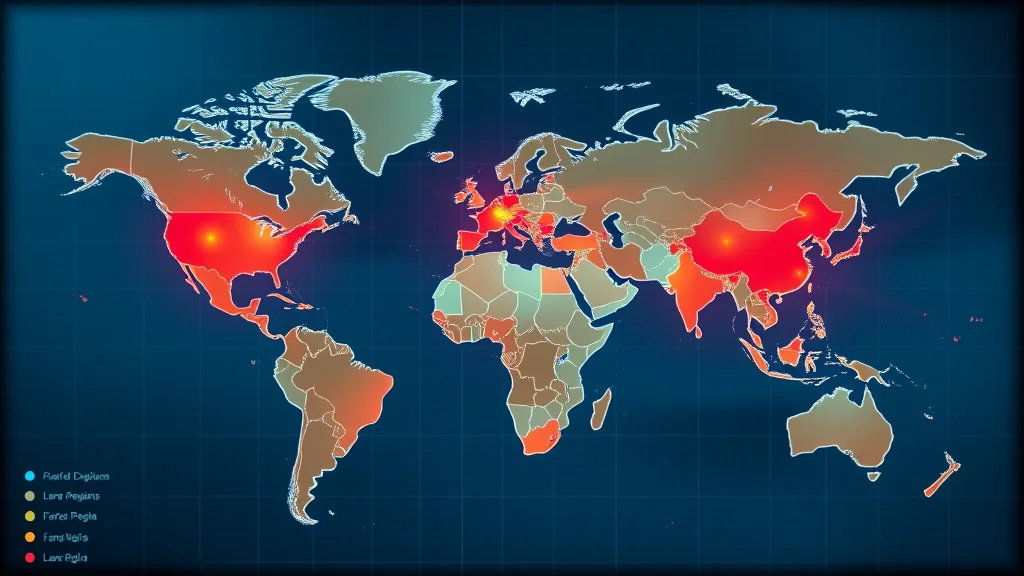
Geographical disparities further complicate the picture. Some rare diseases are more common in certain regions due to genetic, environmental, or historical factors. Global hotspots sometimes overlap with areas of limited healthcare access, causing vast underestimation of the actual burden of rare diseases. That’s why harmonizing rare disease epidemiology data, including the use of metrics like point prevalence and cumulative point prevalence, is vital. Comprehensive databases like the Orphanet database bridge these knowledge gaps, enabling researchers, clinicians, and policymakers to act effectively.

What You'll Learn About Rare Disease Epidemiology
- What defines a rare disease epidemiologically
- Key methods and metrics: point prevalence and cumulative point prevalence
- The role of orphanet data in tracking rare disease trends
- Challenges and misconceptions in rare disease epidemiology
- How epidemiology shapes rare disease policy and public health
Understanding Rare Disease Epidemiology: Definitions and Scope
What is a Rare Disease in Epidemiology?
In epidemiology, a rare disease is defined primarily by its point prevalence—the number of cases within a specific population at a specific time. In the United States, the Office of Rare Diseases considers any disease affecting fewer than 200,000 individuals (roughly 1 in 1,600 people) as rare. In Europe, the threshold is even more stringent: fewer than 1 in 2,000 people. However, the definition can differ across regions, affecting who is counted in policy, funding, and surveillance efforts. This variability highlights just how important agreed-upon epidemiological standards are for collecting reliable data and ensuring equitable care for patients with rare diseases across national borders.
Distinguishing rare diseases from common diseases isn’t just about numbers. Many rare diseases are hereditary, lifelong, and complex in diagnosis, making the role of accurate point prevalence and cumulative point prevalence calculations crucial. Without precise definitions and measurement, the risk of misdiagnosed or undiagnosed cases rises, further complicating care systems and public health approaches. Understanding the epidemiological scope of rare diseases helps direct resources, shape research priorities, and create impactful health policies that make a real difference for affected individuals.
How Point Prevalence and Cumulative Point Prevalence Define Rare Diseases
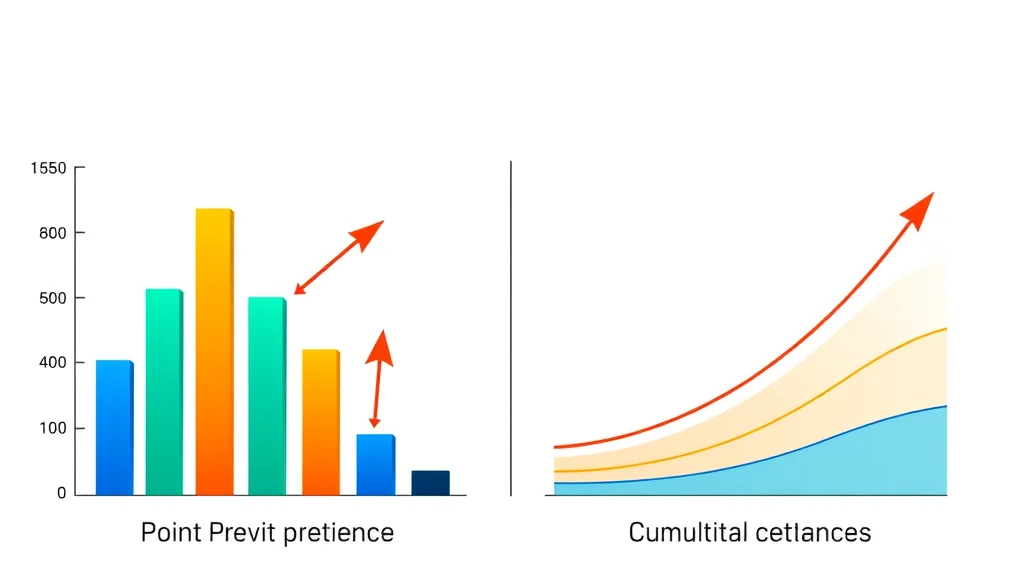
The metrics of point prevalence and cumulative point prevalence are foundational in rare disease epidemiology. Point prevalence refers to the number of individuals in a population with a specific rare disease at a particular point in time. This calculation helps researchers estimate how frequent a rare disease is in a given context, guiding decisions around funding, care, and resource allocation. Point prevalence is especially important for conditions that remain stable or change slowly over time.
Cumulative point prevalence, on the other hand, captures the total number of individuals diagnosed with a rare disease up to a certain date. It provides a broader look at disease burden and is essential for understanding the trajectory of conditions that may see new causes, improved detection rates, or new treatment strategies emerge. Both metrics, when applied correctly, offer a more comprehensive view of the burden of rare diseases and support targeted research and interventions. However, limitations in reporting and regional variations can affect the accuracy of these statistics, underscoring the need for harmonized data collection and use of trusted resources, like Orphanet data.
Orphanet Data and the Orphanet Database: Essential Tools
The Orphanet database has become an international benchmark for rare disease epidemiology data. Developed through extensive collaboration across EU countries, Orphanet compiles, standardizes, and shares critical information on rare diseases, from their definitions and prevalence to orphan drug development and global research efforts. For epidemiologists, Orphanet offers reliable point prevalence and cumulative point prevalence figures, as well as detailed natural histories, genetic profiles, and diagnostic criteria.
Orphanet data powers clinical trials, supports public health policy, and helps bridge the divide between research and care for patients with rare diseases. By linking epidemiological data with practical applications in healthcare systems and drug development, Orphanet is transforming how the world understands and responds to rare diseases. Its use has become a gold standard not only for researchers but for policy advisors and healthcare administrators seeking timely, actionable information.
Why Accurate Rare Disease Epidemiology Matters
Rare Disease Epidemiology and Its Role in Public Health
Precise rare disease epidemiology benefits more than just the scientific community. When health authorities know exactly how many people are affected, where these patients live, and the unique challenges they face, public health interventions can be more accurately targeted. For example, robust epidemiological data has guided countries in designing better screening programs, improving access to orphan drug treatments, and building tailored care systems for those with rare diseases. Knowing the true prevalence of rare diseases allows healthcare systems to anticipate needs, plan resources efficiently, and implement proactive outreach—preventing unnecessary complications, suffering, and costs down the line.
The ripple effects don’t stop there. Reliable epidemiological statistics are also essential for patient advocacy groups seeking to shape research priorities and for pharmaceutical companies charting the landscape for orphan drug development. In every aspect, having an accurate epidemiological picture of rare diseases supports better outcomes, faster innovation, and more equitable care across borders.
National Rare Disease Policies and Global Health Impact
National rare disease policies are closely tied to rare disease epidemiology. Countries that invest in high-quality registries and data gathering are better equipped to set health priorities, guide funding for orphan drug development, and ensure that emerging therapies reach patients who need them. At the global level, organizations like Orphanet and the World Health Organization use epidemiological data to recommend frameworks and standards for member nations—which is especially critical as many rare diseases cross borders with ease.
The end result? A more unified, compassionate, and effective healthcare system for all
The Influence of Point Prevalence in Rare Diseases Research
Point prevalence is more than a number—it’s the backbone of rare disease research and the starting point for clinical trials, diagnosis guidelines, and drug approvals. Without it, efforts to quantify the rare disease burden or design tailored treatments can quickly unravel. Global collaborations, especially those facilitated by Orphanet data, have emphasized the importance of transparent point prevalence reporting in rare disease research. For researchers, these metrics guide which diseases are prioritized and how resources are distributed across the spectrum from chronic diseases to infectious diseases.
Cumulative point prevalence complements this by tracking trends over time, identifying emerging risks, and helping teams recognize where disparities persist. Together, they create a roadmap for action—to close knowledge gaps, improve care, and catalyze orphan drug development so that no patient with a rare disease remains invisible.

Unpacking Key Concepts in Rare Disease Epidemiology
The Rare Disease Assumption in Epidemiology
The rare disease assumption is a fundamental principle in epidemiological research. It states that for very low-prevalence diseases, the odds ratio—used in case-control studies—closely approximates the relative risk of developing the disease. This principle is particularly valuable because it allows researchers to use efficient study designs without requiring prohibitively large sample sizes or long observation periods. It also explains why case-control studies are so commonly used in rare disease epidemiology, as these are typically more feasible than cohort studies for investigating rare events.
The rare disease assumption is not just a statistical shortcut—it ensures that limited resources are used wisely in uncovering risk factors, genetic markers, and possible interventions for patients with rare diseases. It also underscores the importance of precise prevalence estimates, as even small numerical errors can affect results when dealing with tiny patient populations. All of this reinforces the crucial role of accurate point prevalence and cumulative point prevalence metrics in rare disease epidemiology.
Prevalence of Rare Diseases: Global and Regional Insights
The prevalence of rare diseases varies dramatically across continents and within countries. For example, some rare genetic diseases are more common in regions with higher rates of specific genetic backgrounds, while other rare diseases emerge in localized outbreaks linked to environmental factors. Harmonized epidemiological surveillance—supported by Orphanet data and robust national registries—helps highlight these disparities and guide interventions accordingly.
Researchers such as Nguengang Wakap et al. have shown that rare diseases collectively affect tens of millions in the United States alone. Yet, in many regions, rare diseases go unreported or are misdiagnosed as other chronic diseases, which only underscores the need for better awareness and harmonized data collection. Public health approaches that prioritize rare disease epidemiology drive more effective global health responses and accelerate treatment development for the world’s most vulnerable populations.
What Are the Top 10 Rarest Diseases?
- Ribose-5-Phosphate Isomerase Deficiency (Fewer than 10 cases worldwide)
- Fields Condition (2 known cases globally)
- Methemoglobinemia Type 1 (Estimated point prevalence: <0.001 per million)
- Hutchinson-Gilford Progeria Syndrome (1 in 8 million births)
- Harlequin Ichthyosis (1 in 300,000 births)
- Microcephaly Albinism Digital Anomalies Syndrome (Less than 25 cases documented)
- Von Hippel-Lindau Syndrome with Paraganglioma (1 in 36,000–50,000)
- Fibrodysplasia Ossificans Progressiva (1 in 2 million)
- Alkaptonuria (1 in 250,000–1,000,000)
- Stoneman Syndrome (<1 in a million)
Rare Disease Epidemiology: Study Design and Methodological Challenges
Best Study Design for Rare Disease Epidemiology
When it comes to researching rare diseases, traditional epidemiological designs often fall short due to the very low point prevalence. Case-control studies are widely recognized as the most effective design because they allow researchers to identify affected individuals, compare them against matched controls, and calculate significant statistics with smaller samples. These studies are invaluable in pinpointing risk factors, uncovering environmental triggers, and guiding treatment protocols for rare diseases.
However, innovative hybrid designs and the integration of registries, such as the Orphanet Database and national rare disease data banks, can further enhance study power and reliability. Prospective cohort studies and cross-sectional designs are sometimes used—particularly when historical data is robust or disease progression is well-understood. Creative methodological adaptations remain necessary due to the complex and nuanced case definitions in rare disease epidemiology.

Limitations and Challenges in Rare Disease Data Collection
Gathering high-quality rare disease epidemiology data is a formidable challenge. Small patient numbers, inconsistent diagnostic codes, scarce funding, and varying healthcare system capacities make it difficult to track and document all rare disease cases. Often, patients with rare diseases are misdiagnosed or never formally recorded, further complicating the accuracy of point prevalence or cumulative point prevalence estimates.
Privacy concerns and disparate standards across borders add yet another layer of complexity. Data collected in one country may not be directly comparable to data from another, leading to unreliable global comparisons. International initiatives—most notably Orphanet data harmonization—are actively working to address these challenges, but the gap remains a major obstacle for both research and policy-making in rare disease epidemiology.
How Orphan Drug Development Depends on Reliable Epidemiological Data
The path to new orphan drugs is paved with robust epidemiological statistics. Pharmaceutical companies, regulators, and health systems depend on accurate rare disease epidemiology to justify research and development investments, qualify new drugs for “orphan status” incentives, and plan clinical trials with endpoints that matter most. Without reliable point prevalence or cumulative point prevalence data, companies face significant uncertainty, and patients may wait longer for vital therapies.
Regulatory bodies also use epidemiological data to determine market authorization pathways, pricing policies, and reimbursement schemes for innovative treatments. Countries with strong epidemiological surveillance attract more clinical trials and orphan drug approvals, moving the innovation needle forward for patients with rare diseases globally.
Orphanet Data: Enhancing Global Understanding of Rare Disease Epidemiology
Leveraging the Orphanet Database in Epidemiological Research
The Orphanet database is the cornerstone of global rare disease data. Researchers and healthcare providers use Orphanet’s comprehensive catalog to identify rare disease cases, study trends, and correlate epidemiological findings with clinical outcomes. By standardizing definitions and promoting open sharing, Orphanet dramatically improves the reliability and comparability of rare disease epidemiology—accelerating innovation and collaboration.
Detailed Orphanet profiles fuel both academic research and practical interventions, from creating more inclusive clinical trial designs to informing public health priority rankings. As new syndromes and rare disease variants are discovered, Orphanet’s agile architecture ensures fast, accurate updates, keeping the rare disease community ahead of the curve in epidemiological tracking and public health response.

Case Study: Notable Discoveries from Orphanet Data
Orphanet’s data has led to transformative impacts in the field of rare disease epidemiology. For instance, data-driven insights from Orphanet were pivotal in identifying global patterns of genetic diseases such as Cystic Fibrosis and Spinal Muscular Atrophy, informing nationwide screening initiatives. In Europe, several countries launched national rare disease plans supported directly by Orphanet prevalence metrics, resulting in more equitable drug access and improved patient registries. The orphan drug pipeline itself has benefitted, with researchers and companies able to pinpoint populations most in need of new treatments. As quoted below—
"Reliable rare disease epidemiology data changes how research, funding, and patient care are prioritized globally." — Leading Epidemiologist
Tables: Key Rare Disease Epidemiology Metrics
| Metric | Definition | Application in Rare Disease Epidemiology |
|---|---|---|
| Point Prevalence | Number of cases at a specific time | Estimating disease frequency |
| Cumulative Point Prevalence | Combined prevalence over time | Trend analysis |
| Orphanet Data | Syndicated epidemiological data | Policy and research planning |
Lists: Common Misconceptions in Rare Disease Epidemiology
- Rare disease epidemiology is too limited to impact public health
- Cumulative point prevalence is always low
- Most rare diseases are well tracked in national rare disease databases
- Point prevalence alone accurately captures disease burden
The Impact of Rare Disease Epidemiology on Public Health Policy
Translating Rare Disease Epidemiology into Actionable Health Policies
The actionable potential of rare disease epidemiology lies in its ability to turn data into real-world outcomes. Governments and health agencies use epidemiological evidence to justify public health investments, target outreach programs, and launch disease-specific initiatives. Without reliable statistics, policy efforts can fall short—leaving patients underserved and innovation undiscovered. By using tools like the Orphanet database, healthcare leaders can identify gaps, tailor interventions, and track progress in reducing the burden of rare diseases in their populations.
Successful national plans often rely on epidemiological “red flags”—such as unusual increases or clustering in rare disease cases—to mobilize resources and partner with patient organizations for improved diagnostics and care. The more rigorous and consistent the epidemiological surveillance, the more effective the policy response.
The Role of National Rare Disease Registries and Orphan Drug Approval
National rare disease registries are central to translating epidemiological insights into improved patient care and access to innovative drugs. Well-managed registries, preferably linked with international databases like Orphanet, enable governments to monitor disease trends, evaluate health system performance, and provide critical data for clinical trials and regulatory submission of new orphan drugs.
For pharmaceutical companies, accurate registry data de-risks investment in orphan drug development by clarifying potential patient populations and supporting the necessary documentation for drug approval. For patients, comprehensive registries mean better access to advancing treatments, support groups, and advocacy resources, paving the way for improved outcomes at both the individual and population levels.
People Also Ask: Deepening Our Rare Disease Epidemiology Knowledge
What is a rare disease in epidemiology?
A rare disease in epidemiology is typically defined by its low point prevalence—usually fewer than 1 case per 2,000 people. Definitions can vary by region, and these figures influence research, diagnosis, and funding processes.
What is the rare disease assumption in epidemiology?
The rare disease assumption in epidemiology refers to the principle that, for very low prevalence diseases, the odds ratio approximates the relative risk. This is important in how case-control studies are interpreted for rare diseases.
What are the top 10 rarest diseases?
The top 10 rarest diseases include Ribose-5-Phosphate Isomerase Deficiency, Fields Condition, Methemoglobinemia Type 1, and several others, each with documented cases fewer than a few dozen worldwide.
What is the best study design to study the epidemiology of a rare disease?
Case-control studies are generally the preferred design for rare disease epidemiology. They efficiently analyze diseases with very low point prevalence, especially when detailed historical data is available.
FAQs: Your Rare Disease Epidemiology Questions Answered
-
How is point prevalence calculated for rare diseases?
Point prevalence is calculated by dividing the number of people with the disease at a specific time by the total population, then multiplying by a standard base (such as 1,000,000) for clarity in reporting. For rare diseases, accuracy depends on robust registration and monitoring so every patient is counted. -
How reliable is Orphanet data for rare disease research?
Orphanet data is considered the gold standard in rare disease epidemiology due to its rigorous data collection, cross-national collaboration, and frequent updates—ensuring trustworthy metrics for research, policy, and clinical trials. -
Can public health strategies really improve rare diseases outcomes?
Yes. Strong public health strategies informed by accurate epidemiological data lead to earlier diagnosis, better patient support, expanded access to clinical trials, and faster orphan drug approvals—directly improving life quality for patients. -
What distinguishes cumulative point prevalence from incidence?
Cumulative point prevalence includes all existing and past diagnosed cases at a point in time, while incidence measures only new cases diagnosed during a specific period. Both provide unique insights into the burden and progression of rare diseases.
Key Takeaways
- Rare disease epidemiology is vital for public health, policy-making, and research funding.
- Understanding point prevalence and cumulative point prevalence shapes accurate rare disease surveillance.
- Resources like orphanet data and the orphanet database are indispensable for epidemiological advances in rare diseases.
- Ongoing attention to rare disease epidemiology drives innovation in orphan drug development and patient advocacy.
Conclusion: The Future of Rare Disease Epidemiology and Its Role in Shaping Public Health
Rare disease epidemiology is the bridge to better solutions, smarter policies, and hope for millions. Its future is collaborative, data-driven, and inseparable from the vision of health equity for all.
If you’re inspired to deepen your understanding of how communication technology can drive progress in rare disease research and advocacy, consider exploring the broader landscape of digital tools that empower healthcare professionals. Leveraging advanced platforms for video messaging and collaboration not only streamlines information sharing but also fosters stronger connections across the global rare disease community. As the field continues to evolve, integrating innovative communication solutions can be a catalyst for more effective research, policy development, and patient support. Discover how embracing these technologies can help you stay at the forefront of rare disease epidemiology and make a lasting impact on public health.
Discover More: Access the Latest Rare Disease Epidemiology Reports and Tools
- Orphanet—Official Rare Disease Database
- NIH Genetic and Rare Diseases Information Center
- EURORDIS – Rare Diseases Europe
- WHO Rare Diseases Initiatives
Sources:
- Orphanet – www.orpha.net
- NIH GARD – https://rarediseases.info.nih.gov/
- Nguengang Wakap et al., Orphanet Journal of Rare Diseases, 2019 – https://www.ncbi.nlm.nih.gov/pmc/articles/PMC6339293/
- FDA Orphan Drug Act – https://www.fda.gov/industry/orphan-products-development-events-information/orphan-drug-act-1983
Understanding rare disease epidemiology is crucial for public health, as it sheds light on conditions that, while individually uncommon, collectively affect a significant portion of the population. For instance, the Centers for Disease Control and Prevention (CDC) monitors the occurrence of Creutzfeldt–Jakob disease (CJD) in the United States, noting that it occurs worldwide at roughly 1–1.5 cases per million people per year. Recent surveillance reports indicate a slight increase in recorded incidence in many countries over time. (en.wikipedia.org)
Additionally, the National Institutes of Health (NIH) provides comprehensive information on rare diseases through its Genetic and Rare Diseases Information Center (GARD). GARD offers resources on various rare conditions, their causes, and available treatments, aiming to support patients, families, and healthcare providers in navigating the complexities of rare diseases. (rarediseases.info.nih.gov)
By exploring these resources, you can gain a deeper understanding of rare disease epidemiology and its implications for public health.










Write A Comment