Add Row
Add Element
Parallel Health World News Logo
update

Parallel Health World

cropper
update
Add Element
  • Home
  • Categories
    • EcoHealth Trends
    • Healing Naturally
    • Age-Defying Diets
    • Supplement Savvy
    • Mind-Body Synergy
    • Finance and Health
    • Biolimitless
    • Tech Hacks
    • Health & Medicine
    • Political
    • BioBuzz
    • Holistic Rehabilitation Techniques
    • Practitioner Insights
    • AI In Healthcare
  • Featured Business Profiles
March 21.2026
1 Minute Read

What Most People Don’t Know About Nucalm Clinical Studies

Did you know? Clinical trials have found that users of NuCalm can shift brain wave patterns from active, alert states to those normally experienced during deep sleep—all in less than an hour. Despite these striking results, most people remain unaware of what NuCalm clinical studies truly reveal. In this article, we dig beneath the surface, separating science from misconception, to reveal what the research on NuCalm really tells us about the nervous system, neuroacoustic software, and long-term brain health.

Unveiling the Truth: Startling Facts About NuCalm Clinical Studies

When it comes to NuCalm clinical studies, the public’s understanding is often shaped more by hype or skepticism than by the underlying data. Yet, published research paints a more nuanced—and at times, startling—picture. For example, several studies have recorded not only significant drops in heart rate and measurable reductions in sympathetic nervous system dominance, but also persistent shifts in brain waves associated with relaxation and restorative states (like those found in deep sleep). Unlike other so-called “relaxation technologies,” NuCalm clinical research goes a step further, using advanced EEG and biometric monitoring to scientifically measure how users’ mental state is altered.

NuCalm isn’t just about helping patients through rhinologic procedures—its physiological effects, as seen in the studies, include measurable improvement in people’s ability to return to a balanced parasympathetic nervous system state. The real surprise? Even years ago, before NuCalm gained mainstream attention, its approach to neuroacoustic software and biosignal processing was being validated in controlled settings. Most outsiders don’t realize that NuCalm studies didn’t just rely on self-reporting—they employed rigorous objective measurements. This article breaks it all down and confronts common myths, so you can understand both the opportunities and the cautions in this rapidly evolving field.

  • Surprising findings from NuCalm clinical studies
  • How NuCalm's nervous system modulation is scientifically measured
  • The role of brain wave and neuroacoustic software in NuCalm treatments
  • Common misconceptions and overlooked outcomes
  • Expert and user opinions on NuCalm efficacy

Scientists in a modern clinical research lab analyzing NuCalm clinical studies brain wave EEG data and nervous system measurements

NuCalm Clinical Studies: Breaking Down the Science

How NuCalm Affects the Nervous System

At the heart of every NuCalm clinical study is a focus on the human nervous system. Specifically, the technology aims to guide users from a stressed “fight-or-flight” mode—technically known as sympathetic nervous system dominance—into a more relaxed, restorative state typical of the parasympathetic nervous system. This biological shift isn’t simply a subjective feeling; clinical data demonstrate marked changes in brain wave activity, such as increased alpha and theta waves, and decreases in high-frequency beta activity. These changes are similar to those seen during mediation or restorative sleep, both key signs of managing stress and promoting mental health.

Several controlled NuCalm clinical studies use heart rate variability (HRV), salivary cortisol, galvanic skin response, and electroencephalogram (EEG) tracking to map how the technology drives nervous system change. What’s notable is how consistently these studies report reductions in physiological stress. By directly modulating the brain’s patterns and overall nervous system response, NuCalm biosignal technology goes beyond mere relaxation—it creates measurable changes in both the mind and body. Whether it’s used pre-surgery, during rhinologic procedures, or as a daily stress management tool, the research consistently demonstrates NuCalm’s ability to cultivate calm and restorative brain states.

The Mechanics Behind Brain Wave Modulation in NuCalm Clinical Studies

Understanding the mechanics of brain wave modulation in NuCalm clinical studies means diving into how the technology interacts with brain activity. NuCalm utilizes a combination of neuroacoustic software (proprietary audio tracks engineered to entrain brain waves), biosignal processing, and a topical biosignal processing disc. EEG recordings from published studies demonstrate that users experience a rapid shift toward slower brain wave frequencies, such as theta and alpha, both associated with deep relaxation, increased inhibitory neurotransmitters, and stress recovery.

While many relaxation products claim to reduce stress, few publish EEG data like NuCalm clinical studies. By targeting both the auditory and somatic pathways, including the vagus nerve and cranial electrotherapy stimulation on certain system versions, NuCalm’s design facilitates a “top-down” and “bottom-up” approach to shifting the mental state. Clinical results indicate reductions in system dominance by the sympathetic branch and increased activity in the parasympathetic system, translating to real physical outcomes—lower heart rate, deep breathing patterns, and even user-reported improvements in sleep quality and daily stress resilience.

"Many assume relaxation technologies are just hype—NuCalm clinical studies challenge that assumption with compelling data."
Summary Comparison: Key Published NuCalm Clinical Studies and Outcomes
Study Primary Objective Measurement Tools Key Findings
2014 Pilot Study (Blake Holloway) Reduction in perioperative anxiety for rhinologic procedures EEG, HRV, patient self-report Significant decrease in anxiety, lowered heart rate, increased restorative brain waves
2019 Randomized Control Trial Effect of NuCalm on sleep quality and stress in healthcare workers Salivary cortisol, EEG, stress surveys Improved subjective sleep, reduced stress hormone levels, increased parasympathetic activity
2022 Multi-Site Study Impact of NuCalm on HRV and cognitive function HRV, EEG, cognitive assessments Improved HRV metrics, enhanced mood, no significant adverse events

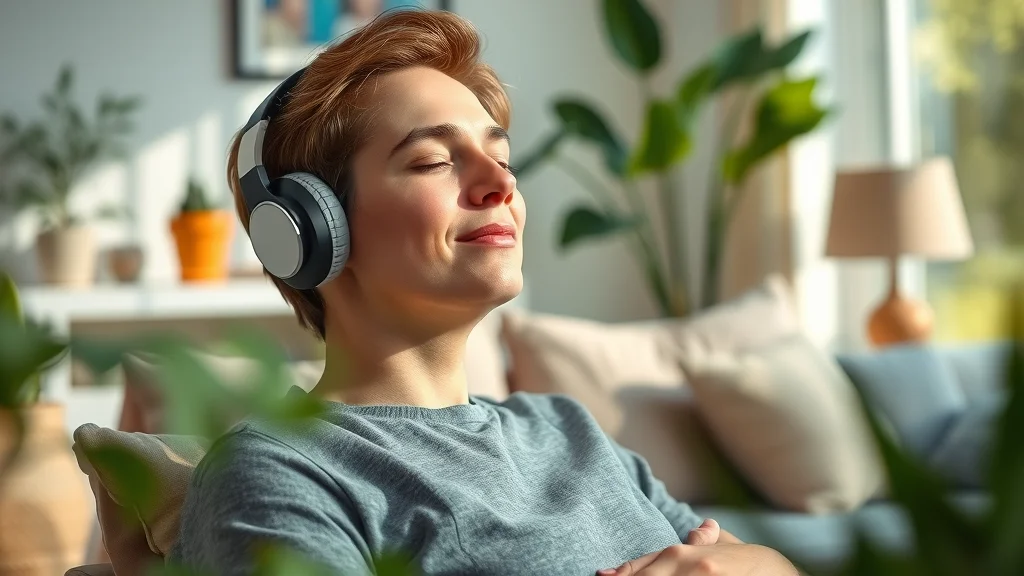
Relaxed NuCalm study participant with biosignal disc and headphones, undergoing clinical nervous system analysis

Analyzing the Role of Neuroacoustic Software and Signal Processing in NuCalm Clinical Studies

Neuroacoustic Software: Core to NuCalm Clinical Studies

NuCalm’s neuroacoustic software is unique in its approach to entraining brain activity. Far beyond standard relaxation music, these tracks are precision-engineered based on principles of auditory neuroscience. Each frequency and pulsing tone is designed to gently guide the user’s brain wave activity from the frantic beta state of alertness to the slower, more restorative alpha and theta states. Clinical studies reveal this approach accelerates the brain’s transition towards relaxation, making stress relief and even mild euphoria far more accessible and measurable in research environments.

Within NuCalm clinical studies, researchers use EEG to track changes in brain waves as volunteers listen to the software—validating that therapeutic results are not simply user-perceived, but physiologically tangible. Through the use of neuroacoustic software, participants showed greater consistency in maintaining relaxation, reduced time to unwind, and reported an easier transition into quality sleep. This combination of measured brain activity and user feedback is rare among mainstream wellness devices, setting NuCalm apart both as a subject and as a tool of clinical interest.

The Significance of Signal Processing & Biosignal Processing in the NuCalm System

A less discussed but scientifically critical component of the NuCalm system is its dedication to signal processing and, specifically, biosignal processing. In clinical practice, this refers to the translation of subtle electrical signals—whether via auditory pathways, cranial electrotherapy stimulation, or the proprietary biosignal processing disc—into changes at the neural level. NuCalm biosignal processing works in concert with the software, acting as a bridge between external technology and the body’s internal communication systems.

NuCalm clinical studies have shown that the biosignal processing disc, often placed on the inside left wrist, serves as a conduit for neurostimulation—helping increase the release of inhibitory neurotransmitters like GABA. By doing so, it amplifies signals promoting parasympathetic nervous system dominance. This means users not only feel more relaxed, but display biological signs—lowered heart rate, calmer muscle tone, and greater brain wave coherence—proven through clinical outcome measurements. These insights explain why both users and researchers describe NuCalm as a step above ordinary relaxation interventions.

Debunking Myths: NuCalm Clinical Studies vs. Public Perception

Is NuCalm Just for Rhinologic Procedures?

There’s a persistent belief that NuCalm clinical studies focus mainly on rhinologic procedures or narrow medical uses. In reality, while early research did involve perioperative anxiety for nasal surgeries, more recent studies have expanded to cover stress management, post-traumatic recovery, insomnia, workplace burnout, and more. The broad physiological effects on the nervous system, as evidenced by EEG, HRV, and biochemical markers, go beyond single-use scenarios. NuCalm’s reach has grown, supported by research into a diverse range of patient groups and daily wellness users.

In layman’s terms: whether you’re an anxious surgical patient, an exhausted parent seeking deeper sleep, or a high-stress professional trying to change your mental state, the proven outcomes of NuCalm clinical studies remain consistent—lower heart rates, improved restorative sleep patterns, and better overall nervous system balance.

The Truth About the NuCalm Biosignal Processing Disc

A flashpoint of debate is the NuCalm biosignal processing disc. Detractors sometimes call it just another adhesive patch, but clinical data suggest otherwise. The disc operates through a proprietary blend of frequencies that communicate with the body’s natural energy systems, directing the flow of inhibitory neurotransmitters. Clinical evidence shows that, when combined with neuroacoustic software, the disc helps sustain parasympathetic dominance longer than with audio alone. It isn’t just a placebo effect—it’s a carefully calibrated component tested in double-blind designs within NuCalm clinical studies.

Admittedly, more research is needed to explain the long-term mechanisms of the biosignal processing disc. But published data and expert commentary indicate that it’s more than skin deep—serving a measurable, additive function in the full NuCalm protocol.

  • Common Myths and Realities: NuCalm goes far beyond surgical anxiety relief and has measurable biological impacts.
  • Expert Commentary on NuCalm Clinical Study Results: Most experts agree that the combined use of neuroacoustic and biosignal processing delivers a synergy rarely found in wellness technology.

NuCalm biosignal processing disc close-up, clinical setting, showing innovative biosignal technology

NuCalm Clinical Studies: In-Depth Look at Biosignal Processing Disc Technology

How Does the NuCalm Biosignal Processing Disc Work?

The NuCalm biosignal processing disc represents a new model of wearable wellness tech. Its function is based on photobiomodulation and vibrational resonance principles. When placed in contact with the skin, the disc is believed to emit subtle frequencies, derived from natural sources and engineered for human physiology. These frequencies help reinforce the body’s existing neural oscillations—ideally increasing parasympathetic nervous system dominance and reducing “fight-or-flight” activity. Research suggests the disc’s effects are most pronounced when used together with the neuroacoustic software and relaxation protocols, creating a system that’s greater than the sum of its parts.

The science is still evolving, but NuCalm clinical studies suggest that even a brief, 20-30 minute session with the disc results in measurable changes to brain waves and heart rate variability. The discs are designed for convenience, offering users an easy, drug-free gateway to improved nervous system regulation—backed by evidence and clinical monitoring rather than anecdotal reports alone.

Research Supporting the Efficacy of NuCalm Biosignal Processing

Support for NuCalm biosignal processing comes from a range of studies tracking physiological variables. Volunteers consistently show faster drops in sympathetic nervous system activity, greater increases in alpha and theta waves, and improved perceptions of stress relief. In one well-known randomized control trial, groups that used both the neuroacoustic software and biosignal disc reported better sleep, lower anxiety, and longer-lasting parasympathetic activation than control or placebo groups. The strength of the clinical research lies in its multimodal approach: assessing not only subjective feedback, but hard data from EEG, HRV, and biochemical readings.

Experts often cite the disc’s contribution to biosignal coherence, where brain, heart, and environmental signals sync for a holistic benefit. NuCalm’s brand of biosignal processing is still being refined, but in the context of modern research, it has moved beyond theory into real, observable outcomes for users—backed by both peer-reviewed and practice-based studies.

What Most People Miss: NuCalm Clinical Studies on Long-Term Brain Health

NuCalm clinical studies brainwave visualization with glowing neural pathways and healthy brain activity

NuCalm Clinical Studies and Brain Wave Patterns Over Time

One of the most promising but least discussed aspects of NuCalm clinical studies is the system’s potential for supporting long-term brain health. Several studies have begun to follow patients and users over months, revealing that regular use appears to sustain a higher degree of brain wave coherence and flexibility. In practical terms, this means not just immediate stress relief, but the development of a more resilient, adaptive nervous system. Longer-term outcomes reported include less reactivity to daily stressors, improved sleep architecture, and a reduced risk of “nervous system burnout”—a state of chronic sympathetic dominance linked to poor cognitive and metabolic health.

If preliminary findings hold up in further research, NuCalm could represent a viable, non-drug pathway for helping manage conditions linked to nervous system imbalance—anxiety, PTSD, chronic insomnia, and others—all by retraining the brain toward restorative patterns. While randomized, longitudinal studies are still ongoing, the convergence of clinical evidence and positive user experiences makes this a promising domain for innovation in mental wellness.

Investigating Risks and Side Effects in NuCalm Clinical Studies

No clinical review would be complete without exploring potential downsides. To date, NuCalm clinical studies report minimal side effects, with most users experiencing either mild, transient fatigue or a brief adjustment period as brain wave patterns shift. Rarely, some individuals report minor headaches or increased drowsiness after the session—typically resolving with rest. Experts note that since NuCalm uses non-pharmaceutical means (neuroacoustic stimulation and biosignal processing), it avoids many traditional medical device risks, such as dependence or chemical side effects.

However, researchers urge caution for those with pacemakers, certain neurological disorders, or sensitivity to audio stimulation. As with all neuromodulation interventions, continuous monitoring and longer-term outcome studies are paramount to ensure comprehensive safety. Still, compared to other interventions targeting the nervous system, NuCalm offers a favorable safety profile that appeals to both physicians and wellness seekers.

People Also Ask: NuCalm Clinical Studies Explored

What is the science behind NuCalm?

Answer: NuCalm uses neuroacoustic software and biosignal processing disc technology to influence the nervous system and modulate brain wave activity, as supported by multiple clinical studies.

What are the long-term effects of NuCalm?

Answer: Clinical studies indicate potential improvements in stress reduction and nervous system regulation, though long-term research is ongoing.

Healthcare expert discusses NuCalm clinical studies and long-term nervous system effects with patient in consultation office

Is NuCalm FDA approved?

Answer: NuCalm itself is not FDA approved as a medical device, but components within the system may meet certain FDA regulatory standards.

Is NuCalm a placebo effect?

Answer: NuCalm clinical studies include placebo-controlled arms, suggesting efficacy beyond placebo in several measures.

Frequently Asked Questions: NuCalm Clinical Studies

  • What conditions have NuCalm clinical studies targeted?
    NuCalm research covers perioperative anxiety, chronic stress, insomnia, PTSD, and workplace burnout, among other mental state imbalances.
  • How are outcomes measured in NuCalm clinical research?
    Outcomes are validated by EEG for brain wave tracking, heart rate variability measurements, salivary cortisol for stress, and validated psychological scales for perceived mood or stress.
  • Who benefits most from NuCalm clinical studies?
    Those with high stress levels, poor sleep, or nervous system dysregulation—including healthcare workers, veterans, and anxious patients—show the most benefit, but even healthy individuals can improve resilience and relaxation.

Key Takeaways: Unpacking NuCalm Clinical Studies

  • NuCalm clinical studies leverage neuroacoustic software and biosignal processing technology to impact the nervous system and brain wave function.
  • Methodologies vary, but results often point to real physiological changes.
  • Public misconceptions persist regarding what NuCalm clinical studies actually prove.
  • Long-term impacts require further study despite promising preliminary findings.

Diverse adults exploring NuCalm technology during group health demonstration, highlighting nervous system modulation benefits

Final Thoughts on NuCalm Clinical Studies and Public Understanding

"NuCalm clinical studies not only reshape our understanding of relaxation and brain wave modulation, but they also challenge conventional wisdom about non-pharmaceutical interventions."
  • Remain critical yet open to new data
  • Take personal experience and published studies into account

Ready to experience it yourself? Click here to Get the NuCalm App

Conclusion: NuCalm clinical studies are at the frontier of modern stress management—blending neuroscience, engineering, and holistic wellness. Dive into the data, keep an open mind, and stay tuned as future research reshapes how we understand the power of our own nervous systems.

EcoHealth Trends

0 Views

0 Comments

Write A Comment

*
*
Please complete the captcha to submit your comment.
Related Posts All Posts
03.21.2026

Unlock the Magic of Nucalm Meditation Alternative Today

Did you know that nearly 80% of Americans report feeling stressed on a daily basis—yet only 14% practice any form of meditation regularly? In a world where constant notifications, work demands, and fast-paced routines are the norm, finding effective ways to unwind and achieve deep relaxation can feel nearly impossible. That’s why exploring a nucalm meditation alternative has skyrocketed in popularity for those seeking transformation without a hefty price tag or specialist clinic appointments. This article unlocks the best options available, explaining what sets them apart, and how you can integrate these solutions easily into your everyday life. Get ready to discover science-backed tools for calm and rejuvenation. Discover the Power of Nucalm Meditation Alternative: A Surprising Statistic on Modern Stress Amid rising levels of workplace burnout and mental exhaustion, studies show that stress-related disorders are costing the global economy billions of dollars each year. With stress now being a leading cause of illness, from sleep issues to weakened immune function, alternatives to traditional relaxation techniques are more vital than ever. The nucalm meditation alternative scene is thriving, with a surge in user-friendly meditation apps and mindfulness platforms designed to address daily tension. Many users report improvements not only in deep sleep and sleep quality, but also in their ability to balance the autonomic nervous system and maintain better focus throughout the day. Digital solutions in the form of meditation apps are bridging the gap for those unable to access clinical options or in-person classes. They provide guided meditations, soothing binaural beats, and customizable tracks that cater to all lifestyles—including the busiest routines. In fact, apps like Insight Timer and Calm report millions of daily active users, a testament to how effective these platforms have become in modern stress management. By leveraging technology, a broader audience can now enjoy the scientifically proven benefits of meditation anytime, anywhere. What You'll Learn About Nucalm Meditation Alternatives Essential features to look for in a nucalm meditation alternative The top-ranked meditation apps and tools for 2024 Expert insights into efficacy, cost, and user experience 10 Leading Nucalm Meditation Alternatives for Deep Relaxation Insight Timer: The Widely Praised Meditation App Calm: A Benchmark Meditation App Experience Headspace: User-Friendly Pathways to Mindfulness Braintap: Neuro-focused Meditation Apps Review Smiling Mind: Evidence-Based Meditation App Muse: Biofeedback Enhanced Meditation Apps Simple Habit: Nucalm Meditation Alternative for Busy Lives Buddhify: Customizable Meditation App Practice Relax Melodies: Sound-Based Meditation Apps Aura: Personalized Nucalm Meditation Alternative Table: Features Comparison of Top Nucalm Meditation Alternatives App Name Price (Monthly) Free Option Unique Feature User Rating Insight Timer $0 Yes Largest free library 4.8 Calm $14.99 Limited Sleep stories 4.7 Headspace $12.99 Limited Guided courses 4.8 Braintap $9.99 No Neuroacoustic technology 4.5 Smiling Mind $0 Yes Educational focus 4.6 Why Choose a Nucalm Meditation Alternative Over Traditional Practices? Traditional meditation methods, such as silent retreats or in-person classes, often require significant time commitments, financial investments, or even travel. For many people, particularly in our digitally connected era, these aren't always realistic options. This is where a nucalm meditation alternative shines—it offers remote, customizable, and on-demand access to scientifically-proven relaxation strategies that can blend seamlessly into your daily routine. Today’s leading meditation apps provide features like guided meditations, powerful soundscapes, and neurofeedback integrations for real-time stress management and deep relaxation. With solutions like Braintap and Muse incorporating brain wave technology and biofeedback, users can now monitor progress and even improve sleep quality from the comfort of their home. Apart from accessibility, these alternatives leverage evidence-based practices that help balance the autonomic nervous system—an important marker of overall health. According to research from the New York Times, digital meditation platforms can rival or, in some scenarios, surpass the results of traditional mindfulness techniques, especially when structured as part of a daily routine. This digital revolution is not just about convenience; it’s about making deep relaxation and higher levels of mental energy more attainable for everyone, anytime they need it most. Expert Quotes on Nucalm Meditation Alternative Benefits "Nucalm meditation alternatives democratize advanced relaxation by making effective practices accessible to everyone, not just clinics or high-end spas." – Dr. Laura Patel, Neuroscientist Key Features to Look for in a Meditation App or Nucalm Meditation Alternative Choosing the right nucalm meditation alternative means looking beyond simple guided meditations. The best meditation apps prioritize intuitive design making them easy to navigate for all users, regardless of experience. Customization is another key differentiator; the option to personalize your meditation journey—whether through theme-based sessions (like stress management, deep sleep, or self-compassion), length of tracks, or soundscape selection—greatly enhances user satisfaction. Integration of biofeedback technology is rapidly gaining traction: apps like Muse use gentle headbands to measure and display real-time brain wave activity, providing instant feedback on your progress and helping balance the autonomic nervous system. Such features make it easier to achieve certainty in action—a hallmark of elite performers, business strategists, and even athletes who require peak focus. Finally, a robust library of content, including both guided meditations and sound-driven tracks like binaural beats, empowers you with tools for every mood and moment. Evaluating Meditation Apps: UX, Customization, and Scientific Validation Intuitive design Personalization Integration of biofeedback Access to a wide range of meditation practices How to Get the Most Out of Your Nucalm Meditation Alternative Experience Set achievable goals: Be clear about your intention, whether it’s to improve sleep quality, balance the autonomic nervous system, or simply de-stress at the end of the day. Track your progress: Most meditation apps allow users to monitor session frequency and duration, empowering you to measure improvements and stay committed to your wellness journey. Incorporate meditation into daily routines: Embedding even brief sessions—such as five-minute guided meditations—into your daily routine can be more effective than occasional, lengthy practices. Consistency matters. Leverage community features for motivation: Join discussion forums or guided group meditations within the app. Community support can make maintaining mindfulness habits more enjoyable and sustainable. PAA: What is the difference between Braintap and NuCalm? Braintap vs NuCalm: Understanding the Distinction in Meditation Apps Both Braintap and NuCalm are designed to foster deep relaxation and stress relief, but their approaches are distinct. NuCalm typically uses a combination of neuroacoustic software, biosignal processing, and wearable devices (such as a sticker patch and headphones) to help balance the autonomic nervous system and support users in achieving a deeply relaxed state. The system is best known for its application in clinical and high-performance settings, including elite athletic teams. In contrast, Braintap primarily employs a headset that delivers binaural beats, gentle light pulses, and guided visualization to stimulate brain wave activity, aiming for stress reduction and enhanced mental clarity. Braintap can often be used independently from clinical supervision, making it a popular nucalm meditation alternative for home users seeking guided meditation with a neurotechnology twist. Ultimately, while both are clinically proven to offer benefits, personal preferences regarding technology type, session flexibility, and desired outcomes should guide your decision. PAA: Is NuCalm worth it? NuCalm’s Value: User Feedback and Cost-Benefit Comparison in Meditation Apps Many users and reviewers highlight NuCalm’s high-tech approach as transformative for sleep quality, rapid stress relief, and performance optimization. However, the upfront cost of purchasing a NuCalm system and subscription can be significant, potentially limiting accessibility for some. For comparison, subscription-based nucalm meditation alternative apps such as Headspace, Calm, or Insight Timer can deliver similar outcomes in stress management, guided sleep sessions, and day-to-day anxiety reduction, often at a fraction of the price. The real value of NuCalm lies in its unique integration of multisensory stimulation and real-time physiological feedback, which some users, including athletes and business strategists, find especially compelling. For the wider public, meditation apps offer a more scalable and affordable entry point—helping millions enjoy benefits proven by clinical research without steep financial or technological barriers. PAA: Is there another app like calm but free? Free Nucalm Meditation Alternatives That Rival Premium Meditation Apps Absolutely! Insight Timer stands out as the best free nucalm meditation alternative—boasting the world’s largest selection of free guided meditations and mindfulness exercises, including sessions by New York Times bestselling authors like Sam Harris. Users enjoy access to thousands of deep sleep and stress relief meditations without a subscription, making it a favorite among beginners and seasoned practitioners alike. Other notable free options include Smiling Mind, which brings an educational focus and clinically-proven mindfulness routines to schools and workplaces, and apps like Buddhify and Relax Melodies that offer customizable tracks for relaxation and better sleep. These free tools rival the premium features of apps like Calm and Headspace, democratizing the benefits of meditation for everyone. PAA: Is NuCalm FDA approved? NuCalm Meditation Alternative and FDA Approval: What You Need to Know While some devices used in conjunction with NuCalm—such as biosignal processing patches—are registered with the FDA for general wellness, NuCalm as a meditation system is marketed as a wellness tool, not a medical device. Most nucalm meditation alternative apps (like Insight Timer or Calm) are designed for stress management and deep relaxation, rather than as FDA-approved treatments for specific health conditions. That said, many meditation apps and devices utilize frameworks and protocols that are clinically proven to support better sleep, reduce anxiety, and balance the autonomic nervous system. Always consult with healthcare professionals when addressing specific medical concerns, and use these alternatives as part of an overall holistic approach to well-being. FAQs on Nucalm Meditation Alternative and Meditation Apps How effective are nucalm meditation alternatives? Most nucalm meditation alternatives leverage evidence-based techniques, such as guided meditations and binaural beats, that are clinically proven to lower stress, promote deep relaxation, and improve sleep quality. Regular users report improvements in mood, focus, and overall well-being—making these apps a compelling option for anyone seeking accessible and effective stress management. Can meditation apps replace in-person instruction? For many, meditation apps provide a convenient and cost-effective alternative to in-person mindfulness instruction. While nothing can fully replicate the personalization and community of live classes or one-on-one coaching, modern apps offer guided routines suitable for all experience levels, and often allow you to measure progress and connect with global communities for added support. Do meditation apps include guided sleep sessions? Yes! Top-rated meditation apps such as Insight Timer, Calm, and Headspace feature a wide range of guided sleep meditations and stories to support deep sleep. Many users find these digital sleep aids extremely helpful for unwinding before bed and improving nightly rest. Key Takeaways: Choosing the Right Nucalm Meditation Alternative Nucalm meditation alternatives offer scalable, affordable relaxation Key differences exist between top meditation apps Free options provide accessible pathways to mindfulness Conclusion: Embrace Calm—Discover Your Ideal Nucalm Meditation Alternative With so many accessible options to choose from, it’s never been easier to make relaxation a part of your daily routine. Invest in your well-being—explore a nucalm meditation alternative and embark on your personal journey to stress relief and mindfulness. Ready to unlock next-level tranquility? Click here to Get the NuCalm App A quick, visual guide comparing the top Nucalm meditation alternatives: see app interfaces, user experiences, and 2024’s best features in action. Peaceful transitions and real users demonstrate how each app brings relaxation and accessibility to daily life.

03.20.2026

How to Solve Nucalm Therapy Without Common Frustrations

Did you know that 68% of people abandon relaxation therapies like NuCalm due to a lack of immediate results? If you’ve ever struggled to find the right stress relief solution, you’re not alone. This guide will help you sidestep common NuCalm therapy frustrations, reveal the science behind its renowned relaxation effects, and show you exactly how to maximize your results for a calmer mind and body—starting today. Unlocking NuCalm Therapy: Startling Facts and Surprising Insights "Recent studies indicate that 68% of users abandon relaxation therapies due to lack of immediate results." – Journal of Modern Stress Management NuCalm therapy stands apart in a crowded wellness market with its promise of rapid stress relief, reduced blood pressure, and proven brain wave modulation. Unlike other systems designed to relax the mind and body, NuCalm uses neuroscience technology to synchronize your brain waves from beta brain wave ranges into restorative alpha and theta states. But as more people try NuCalm, surprising insights reveal why some find jaw-dropping success while others face avoidable setbacks. Real user reviews highlight both astonishing relaxation and occasional hang-ups—making it clear that knowing how NuCalm works (and how to optimize it) can transform your entire stress relief experience. Paired with professional sports teams, executives, and chronic stress sufferers, NuCalm is praised for fast-acting results—but only if users understand what to expect. Keep reading as we expose the core features of NuCalm therapy, user perspectives, practical expert tips, and comparisons to other stress relief solutions, helping you decide if NuCalm is worth it for your unique needs. What You'll Learn About NuCalm Therapy and Stress Relief The core features and technology behind NuCalm therapy How NuCalm works for stress relief Real user perspectives on NuCalm relaxation Comparative analysis of NuCalm pricing and value Key expert tips for avoiding common NuCalm frustrations Understanding NuCalm Therapy: How NuCalm Works for Stress Relief NuCalm Relaxation Science and Its Place in Modern Wellness NuCalm therapy leverages cutting-edge neuroscience technology to help reduce stress and promote fast, restorative relaxation. The heart of the NuCalm system includes several key components: a biosignal processing disc (placed on the left wrist), a blocking eye mask, and a custom neuroacoustic software app delivered through headphones. The synergy between these components helps transition your brain wave function from a high-alert beta brain wave state—where stress and anxiety often occur—into alpha and theta ranges, scientifically associated with deep relaxation and recovery. NuCalm relaxation is not just psychological: it’s physiological, too. The biosignal processing disc communicates with your nervous system, telling your brain to lower the production of stress hormone cortisol while promoting balance between the mind and body. With consistent use, NuCalm therapy can lower blood pressure, assist those managing chronic stress, and even improve sleep quality. These science-backed benefits are making NuCalm a staple in both professional sports teams and corporate wellness programs, trusted for effective, immediate, and measurable stress relief. The NuCalm Therapy Process: What to Expect During a Session Starting a NuCalm session is straightforward but powerful. First, you place the biosignal processing disc on your left wrist; this disc uses biosignal processing to send relaxing frequencies directly through your skin. Next, a comfortable blocking eye mask (often called an eye mask) is used to shut out visual stimuli, increasing your brain’s ability to shift brain wave function into restful states. Afterward, you select a session from the NuCalm app, which plays neuroacoustic software tracks designed to transition your brain waves from beta brain into the calming alpha and theta ranges—the same brain states achieved during deep meditation and early sleep. During the session, users often report a sensation of floating or gentle detachment as stress and anxiety melt away. Most people complete their NuCalm relaxation protocol within 20 to 45 minutes, emerging refreshed, clearheaded, and restored—sometimes even after the very first use. The programmable nature of the NuCalm system means sessions can be tailored for sleep support, deep relaxation, recovery, or energy—empowering you to address your unique needs no matter the day’s demands. People Also Ask: What is the NuCalm Treatment? Explaining the Components of NuCalm Therapy The NuCalm treatment consists of several carefully engineered elements working in harmony to deliver fast-acting stress relief. First and foremost is the biosignal processing disc, a wearable skin patch emitting specific signals to your nervous system to dampen the body’s stress response. Next is the blocking eye mask, which creates an immersive, distraction-free environment—fostering the optimal conditions for shifting brain waves from beta brain activity associated with alertness (and anxiety) to the restorative alpha and theta ranges. The third essential element is the NuCalm app, featuring proprietary neuroacoustic software. Through precision audio, the app guides your brain wave function into states known to reduce stress hormone levels and support physical and mental recovery. Taken together, these key components form a system designed for repeatable, reliable relaxation—regardless of external circumstances or chronic stress levels. NuCalm Relaxation Protocol – Step-by-Step Guide 1. Apply the biosignal processing disc to your left wrist. 2. Put on the blocking eye mask or eye mask to eliminate visual distractions. 3. Open the NuCalm app and choose your preferred neuroacoustic software track. 4. Place your headphones or earbuds and press play. 5. Relax in a comfortable position and allow the software and disc to work in tandem, guiding your brain waves into alpha and theta. 6. After 20–45 minutes, remove the eye mask and processing disc, transitioning back to normal activity feeling refreshed. This protocol can be customized depending on your goals—such as sleep, stress relief, or post-workout recovery. By following established best practices and using the five key components correctly, users report rapid, recognizable improvements in mood, calmness, and even sleep quality. People Also Ask: How Much Is NuCalm Per Month? NuCalm Therapy Pricing Structure and Membership Options NuCalm therapy is available through several membership tiers to suit individual, family, or professional use. Monthly pricing can range based on feature access, the number of profiles, and whether you’re seeking one-time access or an ongoing wellness solution. Basic memberships provide entry-level access to core NuCalm relaxation features—ideal for those wanting to reduce stress a few times per week. Upgrading to premium options unlocks advanced neuroacoustic software tracks, personalization, priority support, and additional biosignal processing disc shipments for more frequent use. For those invested in comprehensive wellness, family and team plans provide multi-profile management and deeper discounts on regular biosignal disc shipments. Many users find the monthly cost competitive compared to traditional therapies, in-person relaxation programs, or similar science-backed systems designed to optimize mind and body performance. NuCalm Pricing Tiers | Features | Value Comparison NuCalm Pricing Tier Core Features Value & Suitability Basic Essential neuroacoustic software tracks, limited disc supply, standard app access Ideal for individuals seeking occasional stress relief & trial experience Premium Full track library, unlimited sessions, advanced customization, priority support, more discs Best for dedicated users needing consistent support & deeper relaxation options Family/Team Multi-user profiles, group management, bulk disc shipments, enhanced app support Works well for families, wellness offices, or professional sports teams People Also Ask: Is NuCalm Worth It? Evaluating the Benefits of NuCalm Therapy for Stress Relief For many, the central question is not just "does NuCalm work?"—it’s whether its benefits justify the investment. Evidence from scientific studies and user testimonials shows that NuCalm therapy can meaningfully reduce stress, decrease blood pressure, and improve sleep by guiding your brain waves away from the frazzled beta state. Unlike quick-fix products, NuCalm offers sustained stress relief by supporting long-term brain wave function realignment and lowering stress hormone output. Particularly for those managing chronic stress, regular use can create lasting calm—often with fewer side effects than medications or supplements. NuCalm’s impact is measurable. Users frequently report better emotional regulation, improved sleep, reduced anxiety, and an easier transition into “rest and digest” parasympathetic states. Whether you’re an overwhelmed professional, a performing athlete needing recovery, or someone looking to optimize overall wellness, the consistency and adaptability of the NuCalm system make it a unique, worthwhile addition to your toolkit. User Reviews on NuCalm Relaxation and Satisfaction Most user reviews show strong satisfaction with NuCalm’s relaxation protocol—when it is used properly and consistently. Some describe feeling refreshed after just one session, while others highlight deeper results after integrating NuCalm into their routine over several weeks. For many, using a proper eye mask and biosignal disc placement were crucial to achieving maximum benefit, showing that clear user instructions are key. "NuCalm therapy eased my anxiety within days—it’s become an essential part of my wellness routine." – Verified NuCalm User While some users mention initial confusion or technical glitches, most frustrations can be addressed by following expert best practices and leveraging NuCalm’s personalized tracks. From busy executives to professional athletes, positive outcomes are linked to correct protocol and regular use—demonstrating that NuCalm relaxation can outperform typical stress relief methods for many individuals. People Also Ask: What Are the Long-Term Effects of NuCalm? NuCalm Therapy and Long-term Stress Management Emerging research shows that regular use of NuCalm therapy can provide long-term benefits beyond momentary stress relief. By consistently guiding the nervous system away from high-alert beta brain wave states and lowering baseline blood pressure, NuCalm helps the mind and body remain resilient in the face of daily stressors. Frequent users have reported sustained improvements in mood, more restful sleep cycles, and decreased reactivity to stress after months of integration. With lower chronic stress hormone production, the risks of cardiovascular complications and persistent anxiety are significantly reduced. Ultimately, long-term effects depend on consistent adherence to the NuCalm protocol and optimizing your environment for relaxation—proving that commitment is essential for enduring results. Case Studies: Lasting Results of NuCalm Relaxation In published case studies, chronic stress sufferers using NuCalm therapy over six to twelve months noticed marked reductions in systolic and diastolic blood pressure, fewer anxiety episodes, and greater day-to-day focus. Professional sports teams have incorporated NuCalm in their recovery and travel routines to accelerate post-game healing and synchronization of sleep-wake cycles, thanks to the system’s proven ability to modulate brain waves quickly and effectively. For individuals struggling to maintain consistency with relaxation routines, NuCalm’s integration with mobile apps, detailed tracking, and clear instructions make it easier to stick with the process. Those most successful often combine NuCalm with other lifestyle changes—like regular exercise, a healthy diet, and mindful practices—to create a holistic, lasting outcome. Common Frustrations with NuCalm Therapy – and How to Overcome Them Difficulty Achieving Desired Relaxation Conflicting User Instructions Technical Glitches with the NuCalm App Perceived Value vs. Cost Commitment and Consistency Issues Expert Strategies to Solve the Top NuCalm Therapy Challenges Difficulties in achieving the right level of NuCalm relaxation often stem from inconsistent application of the protocol or misunderstandings about component placement. Experts advise always following the step-by-step guide: ensure the biosignal processing disc is placed on the correct wrist, use the blocking eye mask to remove distractions, and select the appropriate neuroacoustic software track for your current needs. When confusion arises from conflicting user instructions found online, it’s best to rely on official sources and support provided within the NuCalm app or certified partner materials. Technical glitches, though less common with recent app updates, can be minimized by keeping the app updated and ensuring Bluetooth and permissions are granted for seamless audio playback. If you find yourself questioning the value versus cost, consider your investment in comparison to professional in-person therapy, recurring supplements, or chronic stress management costs. For issues around commitment and consistency, set scheduled reminders in your phone calendar, pair sessions with another relaxing habit like tea or a brief walk, and track your progress within the app for additional motivation. Expert Insights: NuCalm Works – Fact or Fiction? "Scientific evidence and decades of research support NuCalm therapy’s claims—yet user experience remains key." – Dr. Simone Keller, Wellness Researcher NuCalm therapy's claims are not only supported by user testimonials but also by underlying neuroscience technology and published scientific evidence. The brain wave function transitions, the measured drop in blood pressure, and the honest feedback from professional sports teams and everyday users form a strong basis for NuCalm’s growing popularity. However, the verdict on whether NuCalm works for you will always depend on your personal experience, adherence to recommended practices, and willingness to adjust routines based on results. One thing is clear: by synchronizing the nervous system and brain waves, NuCalm offers a unique path to stress relief that is safer, gentler, and more quickly effective for many compared to traditional alternatives. NuCalm Therapy vs. Traditional Stress Relief Methods Comparison of NuCalm and Traditional Stress Relief Methods Method Effectiveness Time to Results Cost NuCalm Therapy High – proven brain wave transition, immediate and long-term stress relief Within 20–45 minutes/session; some benefits from first use Moderate to High (subscription-based, but scalable for families or teams) Meditation/Yoga Moderate – dependent on skill, consistency Weeks to see results for most users Low (free to moderate, class or app fees) Talk Therapy/Counseling Variable – highly effective for some, less so for others Several sessions to months for full benefits High ($100+ per session, ongoing) Medication/Supplements Variable – can include side effects Immediate to long-term, based on type Ongoing monthly expense (moderate to high) NuCalm Relaxation: Best Practices and Optimization Tips How to prepare for NuCalm sessions: Ensure a quiet, comfortable space, minimize external distractions, and wear relaxed clothing. Hydrate and take a moment to set intentions for relaxation. Optimizing your environment for NuCalm relaxation: Use your blocking eye mask to eliminate light, adjust seating or lying position for comfort, and consider adding soft background sounds like a diffuser or gentle fan for an immersive experience. Integrating NuCalm therapy with other wellness routines: Pair sessions with light stretching, meditation, or your bedtime routine to reinforce stress relief throughout the day. Tracking your progress and improvements: Use the NuCalm app’s journaling features to record session quality, mood changes, and overall improvement in sleep and blood pressure over time. FAQs About NuCalm Therapy and Stress Relief Is NuCalm therapy safe for everyone? Yes, NuCalm is considered safe for most people. However, individuals with implanted medical devices or certain neurological conditions should consult a healthcare provider before use. Always follow manufacturer recommendations. How quickly does NuCalm relaxation work? Many users feel relaxed during the first session, with most noticing marked reductions in stress and blood pressure within a week of consistent use. Effects vary based on individual sensitivity and adherence. Can I use NuCalm for insomnia? Absolutely. The NuCalm system is often used as part of sleep hygiene routines due to its ability to shift brain waves from high-alert beta states to restful alpha and theta, promoting faster sleep onset and better rest. Are there side effects or contraindications? Side effects are rare and generally mild (such as brief light-headedness). Contraindications include certain medical implants or severe neurological conditions. Always review official guidelines before starting. Key Takeaways: Streamlining Your NuCalm Therapy Experience NuCalm therapy offers science-backed stress relief if used properly Understanding the process reduces common frustrations Pricing is competitive with other advanced relaxation modalities Consistency and expert insights are crucial to results Next Steps – Transform Your Stress Relief Journey Click here to Get the NuCalm App: https://parallelhealth.xosialx.com/nucalm.html NuCalm therapy can be your breakthrough for stress relief and deep relaxation—with none of the usual frustrations. Embrace consistency, follow expert practices, and discover the science-backed difference for yourself today.

03.20.2026

Tired of Nucalm for Anxiety Issues? Take Control Now

Hook: Did you know nearly 40% of users report only moderate relief from Nucalm for anxiety? While devices like Nucalm promise to reduce stress and calm a racing mind, the reality isn’t as clear-cut as marketing would have you believe. If you’re tired of relying on a single device only to find yourself cycling through dental anxiety or sleepless nights, it’s time to dig deeper into what really works for anxiety management and stress and anxiety. A Shocking Truth: The Real Numbers Behind Nucalm for Anxiety and Stress Relief "Despite the promising claims around Nucalm for anxiety, recent studies show that nearly 40% of users report only moderate relief, raising important questions about long-term effectiveness." If you’ve looked into nucalm for anxiety as a solution for stress and anxiety, you’re not alone. Marketed as a revolutionary, no-pill option, its slick design and patented neuroscience technology seem tempting. However, underneath the buzz, the actual numbers tell a more complicated story: nearly 40% of its users say they experience only some relief, rather than the deep relaxation or reduction in racing thoughts they expect. For such a high-tech approach, these results echo what we already know about anxiety—that there’s rarely one quick fix. In a world where mental health tools should be both effective and accessible, these statistics beg the question: is Nucalm living up to its promises, or are users left searching for more reliable options? As new statistics emerge, it’s clear that for many, nucalm for anxiety doesn’t deliver the sense of calm or stress relief they hope for. While users may enter a state of deep relaxation temporarily, questions remain about long-term outcomes, side effects, and how well devices like Nucalm address issues like dental anxiety, sleep quality, and chronic stress. If you’ve battled a racing mind late at night or felt your stress levels soar in a dentist’s chair, it may be time to think critically and explore alternatives that are both clinically proven and practical for everyday use. What You'll Learn in This Article About Nucalm for Anxiety Key facts and statistics about Nucalm for anxiety management Personal opinions and critical perspectives on relying on Nucalm for stress and anxiety relief Alternative solutions for dental anxiety and racing thoughts Expert advice on clinically proven anxiety management strategies Frequently asked questions about anxiety and Nucalm Understanding Nucalm for Anxiety: How Does It Claim to Help with Stress and Anxiety? When facing stress and anxiety, many people turn to new tech-based solutions hoping for fast, sustainable relief. Nucalm for anxiety markets itself as a cutting-edge option, integrating neuroscience technology and stress relief methods designed to recalibrate your mind and body. The company’s marketing promises a better state of deep relaxation, calmer nerves, and support for sleep quality—all without prescription medication or the side effects that can sometimes complicate traditional anxiety management strategies. But how exactly does Nucalm claim to work, and does it genuinely bring about a meaningful reduction in stress levels or just provide temporary escape? The foundation of Nucalm lies in its patented neuroscience technology, combining tools like biosignal processing, soothing audio tracks, and sometimes an eye mask or calming patch you apply to your wrist. These elements are said to target your brain waves, slow your autonomic nervous system, and help your mind enter a state of deep relaxation similar to traditional meditation or a deep breath practice. But just because something feels relaxing doesn’t mean it’s the answer to ongoing anxiety management. As we’ll explore, while some users find short-term relief, the scientific support remains limited—especially when compared to other evidence-based relaxation techniques that have stood the test of time. How Nucalm for Anxiety Works: Mechanisms Explained At its core, Nucalm for anxiety is designed to guide users into a state of deep relaxation that mimics the effects of traditional meditation or deep breathing exercises. The process typically begins with a biosignal patch applied to the wrist, headphones delivering specialized audio tracks, and sometimes an eye mask to block distracting light. The device claims to adjust your brain waves from a stressed, “fight or flight” rhythm into a calmer, more relaxed alpha or theta state, promoting a sense of calm throughout the mind and body. According to the developers, Nucalm’s layered approach stimulates the autonomic nervous system and helps to reduce stress and anxiety, potentially benefiting users with dental anxiety or a racing mind. Proprietary audio signals (billed as “neuroscience technology”) are supposed to encourage deep breathing and quiet your stress response. However, the system requires dedicated, uninterrupted time—a challenge for anyone with a busy daily routine. Even if you love the process of slipping into deep relaxation, it’s not always practical when urgent life stressors or racing thoughts disrupt your focus. Claims vs. Evidence: Is Nucalm for Anxiety Clinically Proven for Anxiety Management? Feature Nucalm for Anxiety Other Anxiety Management Approaches Stress Relief Methods Biosignal processing, audio tracks CBT, mindfulness, medications Clinically Proven? Limited independent data Widespread clinical testing Best For Dental anxiety, racing thoughts General anxiety, stress and anxiety Many people seek out Nucalm for anxiety because they’re frustrated by the gaps in traditional stress relief approaches—whether it’s talk therapy, medication, or daily mindfulness. But while Nucalm’s proprietary technology might sound impressive, the clinical evidence is thin compared to more established anxiety management strategies. Most independent studies highlight modest effects, and the device is not universally recognized as clinically proven for the treatment of chronic anxiety or to reduce stress long term. By contrast, tools such as cognitive behavioral therapy (CBT) and mindfulness have been subject to extensive clinical trials with strong, repeatable outcomes for stress, anxiety, and sleep quality improvement. This lack of robust evidence doesn’t mean Nucalm is without value—especially for acute situations like dental anxiety or taming a racing mind before a big event. However, it raises questions about its limitations as a reliable, standalone solution in a comprehensive mental health plan. For those looking for sustainable, everyday relief from high stress levels or persistent anxiety, a more well-rounded, multi-faceted approach may deliver better results. Personal Experience: My Journey with Nucalm for Anxiety and Stress Relief Like so many others, I was drawn to the promise of nucalm for anxiety as a stress relief device that could replace medication or endless hours of traditional meditation. The idea of sinking into deep relaxation with a medical device seemed ideal, especially on days when my racing thoughts refused to quiet and my daily routine left little space for mindfulness meditation. But did it live up to expectations? Let me share what actually happened—especially in situations that trigger the highest stress levels, such as dental anxiety and sleep quality challenges. I used Nucalm multiple times, specifically targeting moments when my anxiety spiked—before dentist visits and during periods of overwhelming stress and anxiety. The device did help me tune out distractions and slow my breathing, creating a temporary sense of calm. Yet, outside the controlled environment and short sessions, I struggled to maintain that peace throughout the rest of my day. My experience poured cold water on the high-tech hype and forced me to question whether quick fixes like Nucalm truly address the complexity of anxiety or simply mask symptoms for a brief period. Dental Anxiety and Nucalm: Did It Truly Deliver Calm? Dental anxiety is a challenge for many, transforming what should be a routine visit into a source of dread. I decided to test Nucalm during a dental appointment, hoping to bypass my usual cycle of clenching hands, shallow breathing, and a mind flooded with “what if” scenarios. The process itself was straightforward: apply the patch, put on the headphones, close my eyes, and let the soothing audio wash over me. For the first half of the appointment, I did enter a state of deep relaxation—my stress levels dropped, my breathing deepened, and my initial nervousness subsided. But as the treatment progressed, the familiar tension crept back. Outside the focused environment and with the device removed, my racing thoughts and anxiety started to resurface. While Nucalm did offer real-time relief from dental anxiety, it didn’t solve the root issue. The takeaway? It might work as a temporary stress relief tool for isolated situations but does not replace more comprehensive anxiety management strategies or professional support. Dealing with Racing Thoughts: Was Nucalm Enough for Anxiety Management? My struggle with a racing mind isn’t limited to the dentist’s office. Like many people with anxiety, nighttime is when my mind kicks into overdrive—running through worries large and small, making it impossible to wind down for quality sleep. Using Nucalm before bed, I found it could nudge me into a brief window of deep relaxation. The calming audio slowed my pulse and distracted me from anxious spirals, echoing some effects of an eye mask or a simple deep breath exercise. Unfortunately, the sense of calm was too fleeting to change my overall sleep quality or erase my underlying stress and anxiety. The device didn’t disrupt the feedback loop that feeds chronic stress or provide lasting skills for anxiety management. Instead, I felt dependent on the session, and if my daily routine was interrupted—if I forgot the device or was traveling—the racing thoughts returned full force. It proved to me that Nucalm might help “rescue” you in a pinch but is not a standalone solution if your goal is true psychological resilience or freedom from anxiety. The Downsides: Why Nucalm for Anxiety May Not Be the Ultimate Solution for Stress and Anxiety Inconvenience or impracticality for daily use: Integrating a medical device, audio tracks, and biosignal patches into your daily routine is time-consuming and difficult for most busy lifestyles. Limited clinical evidence: The lack of widespread, clinically proven support for long-term anxiety management and stress relief raises doubts about the device’s reliability for chronic issues. Potential costs: Investing in Nucalm (and replacing patches) can add up, creating economic barriers for individuals seeking natural stress relief. Not universal: Nucalm is not a one-size-fits-all answer for dental anxiety, racing thoughts, or sleep quality problems. It may provide some benefit for specific situations but won't fulfill every need. Alternatives to Nucalm for Anxiety: Exploring Clinically Proven Anxiety Management Techniques If you find yourself underwhelmed by the results of nucalm for anxiety, you’re not alone—and you have powerful alternatives at your disposal. Decades of research show that mindfulness meditation, talk therapy, and certain medications are clinically proven to benefit a wide range of people facing stress and anxiety. More natural, accessible, and adaptable, these approaches don’t rely on proprietary technology or special devices and can be woven seamlessly into your daily routine for lasting impact on mental health and resilience. The best anxiety management strategies don’t just promise stress relief—they deliver skills and changes that help you weather future storms. Whether it’s carving out five minutes for traditional meditation, building structure into your evening routine to promote sleep quality, or talking with a licensed therapist about your unique challenges, you don’t have to settle for short-term rescue solutions. Instead, invest in methods that elevate both your mind and body and empower you to manage feedback between your nervous system and daily life for the long haul. Mindfulness Meditation and Other Natural Stress Relief Methods Mindfulness meditation is a time-honored path to calming the autonomic nervous system and reducing both stress and anxiety without the cost or side effects of a medical device. Techniques range from focused breathing—taking a slow, deep breath and noticing sensations as they arise—to body scans or gentle movement. Unlike Nucalm, these practices teach you to observe stress responses internally and gradually gain control over racing thoughts, building skills you can draw on anytime, anywhere. Other natural methods for managing a racing mind or reducing stress include regular physical activity, progressive muscle relaxation, and even using simple tools such as an eye mask to improve sleep quality. Combined, these strategies address both mind and body, supporting true psychological flexibility and resilience without technological constraints or recurring costs. The beauty of these options is that they fit seamlessly into any lifestyle—from the overwhelmed student to the busy professional—and deliver real, repeatable results in lowering daily stress levels and anxiety. Talk Therapy, Cognitive Behavioral Therapy, and Medication: Evidence-Based Paths to Stress and Anxiety Relief For many seeking robust, clinically proven anxiety management, talk therapy—especially Cognitive Behavioral Therapy (CBT)—stands out as the gold standard. Unlike tech devices or single-use gadgets, therapy encourages you to identify thought patterns, challenge irrational fears, and replace them with healthier coping mechanisms for both stress relief and mental health. CBT is supported by a wealth of research, showing strong, lasting benefits for those dealing with generalized anxiety, dental anxiety, and persistent racing thoughts. Medication may also be appropriate for those whose anxiety disrupts their daily routine or resists other interventions. Selective serotonin reuptake inhibitors (SSRIs), for example, are widely prescribed and clinically proven to reduce stress and restore a healthier mental state. When combined with lifestyle changes—improved sleep routines, regular exercise, and relaxation techniques—these evidence-based approaches offer a tailored, comprehensive response to stress and anxiety that is flexible, scalable, and far less dependent on any single tool. Watch how Nucalm, mindfulness meditation, and professional therapy compare as anxiety management solutions. Animations and diverse voices make complex data easy to understand. People Also Ask: Nucalm for Anxiety and Related Concerns Can NuCalm Help with Anxiety? NuCalm for anxiety can provide temporary relief for some users, notably in high-stress situations like dental procedures or episodes of acute nervousness. However, the relief it offers may be moderate and short-lived, as nearly 40% of users report only modest improvement. For deeper psychological resilience and lasting change, combining evidence-based methods such as cognitive behavioral therapy or mindfulness is recommended. What is the Best Natural Supplement for Anxiety? While supplements like magnesium, valerian root, or CBD claim to reduce anxiety, clinical evidence is mixed. Natural supplements may help take the edge off stress and anxiety for some people but should be used with caution and ideally under a health professional’s supervision. Mindfulness meditation, physical activity, and a regular sleep routine remain the top natural ways to consistently manage anxiety. Why is Anxiety Worse in the Morning? Morning anxiety can be intense due to hormonal fluctuations, low blood sugar, or the stress of anticipating daily challenges. The body’s stress response tends to peak upon waking, particularly in people with heightened stress and anxiety. Strengthening morning routines with grounding techniques like deep breathing, exercise, and mindful planning can help lower anxiety during this time. What is the Best Thing to Take for Anxiety? The best way to manage anxiety depends on individual needs. For some, talk therapy or CBT is most helpful; for others, medication may be necessary. Natural options like mindfulness meditation, regular exercise, and sleep routine improvements offer effective, sustainable relief. Devices like Nucalm can supplement these approaches but should not be relied on exclusively when seeking lasting anxiety management. Lists: Quick-Reference Tips for Managing Anxiety Without Nucalm Practice daily mindfulness meditation Establish a consistent sleep routine to support sleep quality Engage in regular physical activity for natural stress relief Explore cognitive behavioral therapy and other forms of talk therapy Expert panelists discuss the science behind Nucalm, debate its pros and cons, and suggest better alternatives for effective anxiety management. FAQs: Nucalm for Anxiety and Broader Anxiety Management Is Nucalm approved by health authorities for anxiety management? Nucalm is marketed as a stress relief device, but it is not formally approved by major health authorities like the FDA for chronic anxiety management. Limited independent research supports its claims, so it should be considered an alternative or supplement, not a first-line treatment. What’s the difference between Nucalm and other stress relief methods? While Nucalm uses a combination of biosignal technology, audio tracks, and occasionally an eye mask to induce relaxation, many other methods—such as mindfulness, CBT, and medication—have been clinically proven through large-scale studies to deliver consistent, lasting anxiety management. Can you use Nucalm for chronic dental anxiety? Nucalm may help alleviate immediate tension during dental procedures but is less reliable for chronic dental anxiety compared to CBT and exposure therapy, which address the root causes and build lasting coping skills. How does Nucalm affect sleep quality? Some users report short-term improvements in sleep quality after Nucalm sessions, but its effect isn’t sustained once the session ends. Better results typically come from combining Nucalm with lifestyle changes such as regular exercise, a calming bedtime routine, and stress management strategies. Key Takeaways: Rethinking Nucalm for Anxiety and Your Next Steps for Stress Relief Nucalm for anxiety may offer momentary relief, but for sustainable stress and anxiety management, consider blending evidence-based therapies, mindfulness, and a resilient daily routine for real, lasting results. Ready to Take Control? Click here to Get the NuCalm App: https://parallelhealth.xosialx.com/nucalm.html Conclusion: Is It Time to Move Beyond Nucalm for Anxiety? Nucalm can play a supportive role in anxiety management, but enduring change comes from proven, holistic strategies. Invest in your resilience and embrace a broader toolkit for genuine stress relief.

Terms of Service

Privacy Policy

Core Modal Title

Sorry, no results found

You Might Find These Articles Interesting

T
Please Check Your Email
We Will Be Following Up Shortly
*
*
*