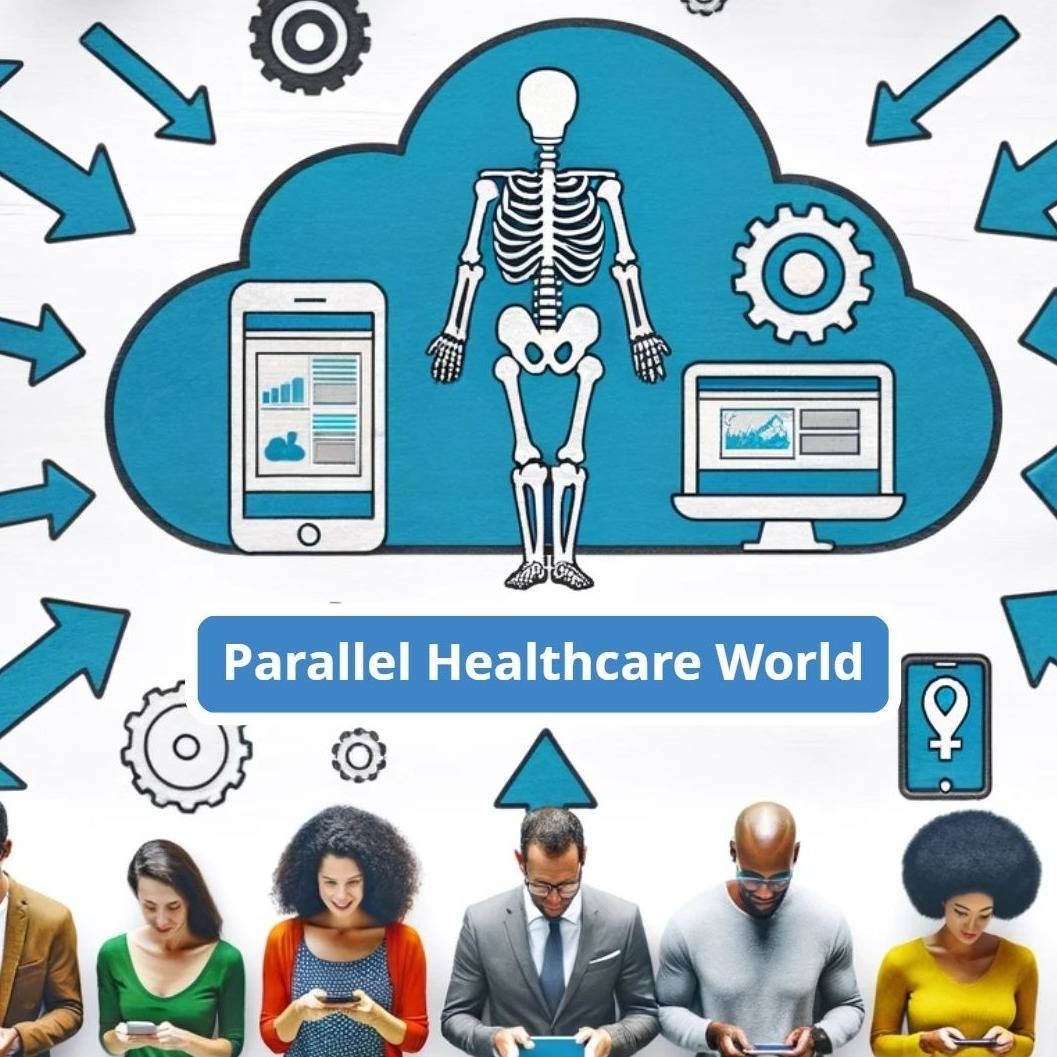


Understanding the Role of AI in Healthcare: Implications for Patients
As artificial intelligence (AI) infiltrates every aspect of healthcare, the conversations from HLTH 2026 reveal a profound transformation underway. No longer just a theoretical tool, AI is embedding itself within operations—from administrative tasks to patient interactions. This wave of technology prompts critical questions: How will AI influence the patient-doctor relationship? What are the long-term impacts on healthcare accessibility and costs?
The Economic Shift: AI's Impact on Healthcare Costs
A pivotal discussion during HLTH 2026 centered around the economic implications of AI. With expectations that AI could streamline operations and possibly lower costs, stakeholders are eager to see if this promise translates into practice. For instance, the analysis on GLP-1s (a class of drugs for chronic conditions like diabetes) suggests they could save employers money if priced rationally. By leveraging AI technology, companies can rethink their operational efficiencies while hoping to adjust the pricing structures that currently burden consumers.
Autonomous Health: Are We Ready?
The idea of 'autonomous self-driving doctors' raised eyebrows at HLTH. As innovators in health technology envision a future where AI could potentially handle diagnostics and treatment decisions, the readiness of both industry professionals and consumers remains uncertain. Accepting AI's role in health care is not just about the technology's capabilities; it's about navigating trust and human connection in medical scenarios.
Proactive Health Management: New Tools for Chronic Disease Patients
For chronic disease patients, advancements discussed at HLTH 2026 represent a beacon of hope in health management. With technologies evolving to provide personalized care options and quicker access to health records, patients stand to gain greater autonomy in managing their health. The sentiment shared by industry leaders emphasizes the necessity for healthcare systems to adapt, assuring that emerging tools can practically enhance the quality of life.
Conclusions and Future Predictions
As the conversations from HLTH 2026 indicate, the path from AI’s promise to affordable access is still under construction. While numerous questions about the future linger, the inherent goal remains clear: to ensure that technology leads to improved health outcomes for all. Continuous dialogue between stakeholders and the community will be vital in shaping a health system that genuinely benefits patients across the spectrum.













Write A Comment