

The Rise of Cyber Threats Against Food Security
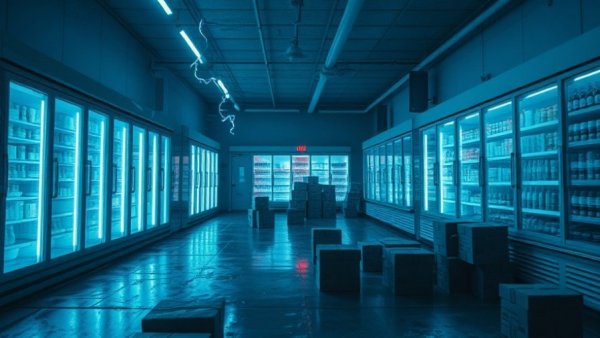
As consumers shop among the aisles of their favorite supermarkets, the integrity of food supply chains has come under unseen threat from sophisticated cyberattacks. A recent incident involving French supermarkets has brought to light significant vulnerabilities within not only national but also interconnected international food storage infrastructures. This alarming breach, attributed to Iran's Revolutionary Guards, has affected around 700 supermarkets across France, disrupting refrigeration systems crucial for maintaining perishable goods and leading to considerable economic losses.
Understanding the Scope of the Impact
The cyberattack led to the spoilage of thousands of euros worth of products, forcing retailers to hastily dispose of affected stock while incurring costly repairs to restore normal operations. Thierry Cotillard, president of Les Mousquetaires, highlighted the critical nature of such breaches, indicating the attack resulted in significant financial ramifications across the sector. Such stories are becoming all too common, revealing a growing pattern where the tampering with digital systems can trigger not just economic fallout but also extensive public health concerns.
A Broader European Response to Cyber Intrusions
As investigations into the attacks progress, concerns have surfaced that the campaign may extend beyond France into a broader European context. Officials in countries like Belgium, Ireland, and Sweden have reported similar disruptions, suggesting a coordinated strategy targeting the already delicate interconnected retail supply chains. With European agencies now urging immediate audits of refrigeration controllers and the implementation of stringent cybersecurity protocols, the emphasis on proactive defense against potential threats intensifies.
The Implication for Retailers
In light of these cyber threats, retailers are reminded of the importance of cybersecurity in their day-to-day operations. By strengthening data security measures and limiting network access, businesses can mitigate vulnerabilities that could be exploited. Staying ahead means adopting a culture of cybersecurity awareness among all levels of staff, ensuring everyone is equipped with the knowledge to handle potential breaches effectively.
The Next Steps: What Should Be Done?
Cybersecurity is no longer a secondary concern but a prioritised requirement for industries reliant on technology, particularly those affecting food safety. The call to action for European retailers is clear: enhance defenses, restrict remote access, and keep systems updated with the latest vendor patches. Ultimately, protecting our food supply from cyber threats requires vigilance, foresight, and consistent action from all players within the supply chain.













Write A Comment