Parallel Health World News Logo

Parallel Health World

cropper
  • Home
  • Categories
    • EcoHealth Trends
    • Healing Naturally
    • Age-Defying Diets
    • Supplement Savvy
    • Mind-Body Synergy
    • Finance and Health
    • Biolimitless
    • Tech Hacks
    • Health & Medicine
    • Political
    • BioBuzz
    • Holistic Rehabilitation Techniques
    • Practitioner Insights
    • AI In Healthcare
  • Featured Business Profiles
November 05.2026
3 Minutes Read

Delays in Rural Health Funding: Navigating the Complex Challenges Ahead

Three men in a formal setting with flags, representing Rural Health Funding Delays.

Rural Health Funding Faces Setbacks: What This Means for Communities

In an unexpected turn of events, the Trump administration's ambitious $50 billion Rural Health Transformation Program has hit a snag. Federal officials failed to meet the critical October 31 deadline for announcing allocations to states, leaving many leaders baffled and concerned about the ongoing investments in rural healthcare. The Centers for Medicare & Medicaid Services (CMS) originally set this timeline to ensure that rural communities could prepare for the healthcare challenges ahead, but unforeseen administrative hurdles have complicated matters.

The Timeline and Its Implications

State officials anticipated a clear update regarding their funding, contingent on a federal scoring process designed to distribute shares between $147 million and $281 million Annually. However, on October 30, a brief email from Alina Czekai, director of the federal Office of Rural Health Transformation, hinted at delays due to “additional administrative process requirements.” This information came too late for states to adjust their strategies for the upcoming fiscal year, particularly for those looking to bolster their healthcare technology infrastructure and meet rising community needs.

Administrative Hurdles and Impact on Health Services

Alan Morgan, chief executive of the National Rural Health Association, emphasized that “a program of this size, scope, and complexity” will inevitably face implementation challenges. The rushed rollout has led to heightened stress among state health officials. For instance, a spokesperson from Kentucky expressed concern that the rural health funding, critical for offsetting anticipated reductions in federal Medicaid funding, is now in jeopardy. This situation underscores how administrative inefficiencies can disproportionately affect rural healthcare, which is already underserved.

State Leaders Voice Frustrations

Responses from state leaders reflect a growing sense of urgency and frustration. Some termed the email that informed them of the delay as 'cryptic' while expressing their fears of being left in the dark. The lack of transparency and timeliness in communications indicates potential shortcomings in the federal approach to rural health funding. Concerns about maintaining continuity in healthcare for rural populations are paramount—particularly as states like Kentucky showed how that initial funding had been aimed at lessening the impact of adverse funding changes.

Future Outlook: Revisiting Rural Health Strategies

The delay raises critical questions about the future of rural health funding. As communities await their expected support, rural health advocates are left grappling with how to ensure services remain sustainable. With ongoing concerns about tight application deadlines and compliance burdens, states may need to pivot their funding strategies to accommodate these changes. This could mean reallocating existing resources or seeking alternative funding sources to uphold healthcare quality while the federal program stabilizes.

The Importance of Community Engagement

Community buy-in remains crucial to the success of initiatives aiming to improve rural healthcare. State leaders are encouraged to engage with local populations, ensuring that health initiatives meet the needs of communities. Continued advocacy at both the state and federal levels, along with public awareness campaigns about the importance of rural health funding, may also stimulate action and adjustments to the program moving forward.

Embracing Technology for Enhanced Accessibility

As rural health systems navigate these funding uncertainties, the integration of cutting-edge health technologies could present an invaluable opportunity. Telehealth services, health data analytics, and patient engagement tools are essential in bridging care gaps, streamlining operations, and ultimately improving patient experiences in these underserved regions. Investing in these technologies now may yield benefits long after the current funding situation resolves.

Moving Forward: Collaborative Solutions

Solution-oriented discussions involving healthcare providers, state leaders, and federal officials will be crucial in bridging the gap caused by funding delays. By aligning goals and responsibilities, stakeholders can work collaboratively to expedite processes and ensure rural communities access the health resources they critically need. As the healthcare landscape evolves, the ability for rural systems to innovate and adapt will define the future of patient care.


Political

0 Views

0 Comments

Write A Comment

*
*
Please complete the captcha to submit your comment.
Related Posts All Posts
11.05.2026

The Growing Crisis: How Migrant Children Are Stuck in Shelters and Losing Hope

Update Understanding the Emotional Toll on Migrant ChildrenThe plight of migrant children seeking safety in the U.S. has often been marked by trauma and uncertainty. A heartbreaking letter written by a 9-year-old girl from El Salvador, expressing her desire to be reunited with her mother after months in a shelter, exemplifies the psychological toll these prolonged detentions can take. Deprived of love and security, children like her often find themselves overwhelmed by feelings of loneliness and despair, highlighting the systemic failures within the immigration system that prioritize policies over the well-being of vulnerable individuals. Such emotional anguish can have far-reaching effects, not only on their immediate mental health but also on their long-term development and ability to thrive.The Shift from Child Welfare to DetentionHistorically, the Office of Refugee Resettlement was designed to ensure the safety and welfare of unaccompanied minors. However, recent shifts in policy under the second Trump administration have redefined its role, morphing from a child welfare system into a detention framework that supports a broader deportation agenda. This transformation raises ethical questions regarding the treatment of children: are we prioritizing enforcement over care? Critics argue that this focus on regulation and restriction undermines the very principle of protecting the most vulnerable among us, leading to a scenario where the well-being of children is sacrificed at the altar of political objectives.How the Policies Affect FamiliesThe barriers placed between migrant children and their families act as a significant stressor. Parents remain in detention centers, locked in a bureaucratic limbo while their children languish in shelters, often for months on end. As the mother of the young girl shares her painful experience, it becomes clear that the immigration policies not only threaten the child's physical safety but also their emotional development. The ongoing separation erodes familial bonds, often leaving lasting scars long after reunifications. These children frequently deal with anxiety and a deep sense of abandonment, as relationships are strained under the weight of separation. This turmoil can exacerbate existing vulnerabilities and complicate the healing process once families are finally reunited.The Need for a Compassionate ApproachCreating a humane immigration system that prioritizes the welfare of children is not just a moral obligation; it is a necessity. The current methods directly contradict established recommendations for handling unaccompanied minors, which emphasize timely reunification with family members in safe and supportive environments. A reevaluation of strategic goals could foster a system that heals rather than harms, allowing children to reclaim their childhood amid adversity. Policymakers must take into account the psychological impact of detention on children, which requires an urgent shift toward positive, child-centered practices.Supporting the VulnerableAs advocates and professionals in health and wellness, it is incumbent upon us to consider how we can facilitate healing in these marginalized communities. How do we provide support for families caught in these crossing lines of legality and human rights? By advocating for policy changes that align with child welfare at the forefront, fostering connections with local shelters, and raising awareness about the realities faced by immigrant families, we can help drive reform. Collaborative efforts that focus on mental health resources, legal assistance, and community support can pave the way for a more empathetic approach to migration.Community Involvement and ActionSociety must engage collectively in finding solutions. Supporting local organizations dedicated to assisting immigrant families can make a significant difference. These initiatives often provide critical legal support, mental health resources, and advocacy. Understanding the broader implications of U.S. immigration policy is vital for community members as they influence national discourse and policymakers. Grassroots movements can advocate for substantial reform, ensuring that the needs of children and families are recognized and addressed. Community forums, educational sessions, and volunteer opportunities can empower individuals to take part in this urgent cause, fostering a more inclusive environment for everyone.Looking Toward the FutureIn light of the ongoing challenges faced by migrant children and their families, it is imperative that communities adopt a forward-thinking mindset. By prioritizing compassion and support over enforcement, we can hope to build an immigration system that honors the dignity of every individual. The journey of these children to find safety should not be fraught with unnecessary hurdles and heartache, but rather, it should lead them toward a brighter future filled with hope and belonging. Ultimately, our collective actions and attitudes will shape the experiences of generations to come, making it crucial to stand up for those who are most in need.

11.05.2026

How the Recent Election Results Will Reorder Federal Health Policy

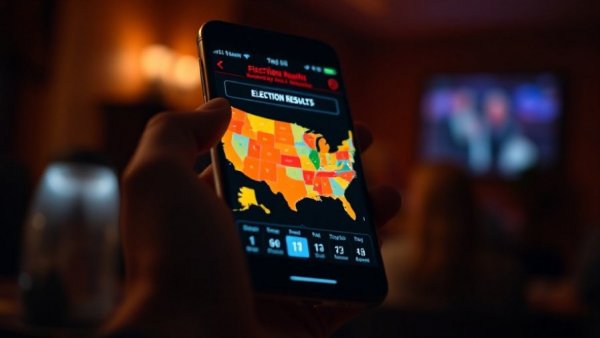
Update A New Era for Federal Health Policy: Insights from Recent ElectionsThe recent elections have dramatically shifted the landscape of federal health policy, particularly as Democrats have won control of both the House and Senate. This change signals a potential reversal of the policies implemented under previous Republican leadership, notably those regarding the Affordable Care Act (ACA) and Medicaid. With healthcare affordability emerging as a crucial concern among voters, the Democratic victory lays a path for an expanded agenda focused on reducing insurance premiums and drug prices.Healthcare as a Voters’ Top Concern: What It Means for PolicyPolling data prior to the elections revealed that a significant number of voters consider healthcare affordability a top priority. By claiming a decisive electoral victory, Democrats can argue for a clear mandate to address these concerns. According to health policy experts, these newly elected leaders may feel empowered to push ambitious legislative reforms, including an expansion of Medicare to cover all Americans — a proposal embraced by progressive figures within the party.The Implications of a Conciliatory Trump: Opportunities and ChallengesFollowing the election outcome, Trump expressed a willingness to work with Democratic leaders, indicating a shift in strategy that could facilitate bipartisan legislative efforts. This conciliatory approach raises questions about how effectively the administration will cooperate in reversing significant GOP-led changes, particularly new Medicaid work requirements. It remains to be seen whether Trump's interest in collaborative governance will translate into actual changes in health policy.Restoring Healthcare Subsidies: A Focus for the New CongressOne of the early priorities for Democrats in this new congressional landscape is likely to include a legislative push to reinstate enhanced subsidies for Obamacare health plans. These subsidies played a vital role in making health insurance more accessible during the COVID-19 pandemic, and many families are eagerly anticipating their return. Democratic leaders, like Rep. Hakeem Jeffries, have already signaled that rejuvenating these support structures will be a cornerstone of their agenda going forward.Healthcare Investigations: Balancing Policy and ScrutinyWhile advancing a progressive healthcare agenda, Democrats will also need to address the controversies surrounding key health officials, such as Robert F. Kennedy Jr. His controversial actions, including changes to U.S. vaccine recommendations and significant staff cuts at federal health agencies, have raised questions about management and public health funding. Striking a balance between pursuing investigative oversight and implementing progressive reforms will be crucial for the party's success.Future Predictions: What to Expect from Healthcare Policy DevelopmentsThe trajectory of U.S. healthcare policy appears poised for a significant overhaul over the coming years. Should Democrats effectively collaborate with key stakeholders, including Trump, they may find common ground to enact reforms that can right historical wrongs and meet the pressing needs of their constituents. However, the capacity to achieve such goals will depend heavily on party unity and public support.Why Staying Informed is Essential for Health EnthusiastsFor tech-savvy health enthusiasts between the ages of 30 to 85, staying updated on legislative developments in healthcare is crucial. Understanding how federal policies impact wellness strategies can empower individuals to make informed decisions about their health. Engaging with these changes could also inspire innovative approaches to personal wellness that align with broader shifts in healthcare practices.

11.05.2026

Midterm Results on Abortion and Trans Healthcare: What's Next for Voters?

Update Understanding Voter Sentiment on Abortion and Trans HealthcareThe recent midterm elections reveal a divided voter landscape concerning critical social issues, notably abortion and transgender healthcare rights. This complexity resonates with voters across the political spectrum, as evidenced by the contrasting outcomes in states like Missouri and Washington. In states where Democratic candidates buoyed voter turnout, ballot initiatives on these topics did not exhibit the same overwhelming support, leading to a sense of discord among constituents. As health enthusiasts, understanding these sentiments can provide insight into future trends affecting healthcare and wellness.Local Culture Shapes Voter DecisionsEach state manifests a unique cultural backdrop that influences voters' perspectives on contentious issues. For instance, Missouri voters decisively rejected a plan that entwined the two issues—a significant move given their recent history with abortion rights. Social mores, religious influences, and community values intersect in complex ways, shaping how individuals view these ballot initiatives. In contrast, Washington joined other states in supporting initiatives limiting trans athletes’ participation based on gender identity, showcasing the diversity of opinion across the nation. This discrepancy underscores how local values, historical context, and prevailing political narratives intertwine to shape voter behavior.A Closer Look: Missouri’s Rejection of the Banned MeasuresIn Missouri, the fallout from the ballot measure's defeat stems from a backdrop of fierce political engagement over the past few years. The state has undergone a tumultuous shift, going from initially banning abortion post-Dobbs to enshrining protections in the 2024 election. The failed initiative this election season sought to both overturn those protections and impose stricter regulations on gender-affirming healthcare for minors. This cocktail of controversial themes has sparked a significant social dialogue among the state's populace, reflecting a greater national conversation. The emotional aftermath of the vote echoed through communities, prompting discussions about the future of healthcare policies and individual rights.The Divergent Paths of States Post-ElectionReflecting upon how differing state cultures approach these pivotal issues can provide critical insights. According to Alina Salganicoff of KFF, Missouri serves as an illustrative example of the motivations underlying voting decisions surrounding abortion and trans issues. States demonstrating a plurality of support for political messages tying these matters together may experience a different trajectory than those that kept them separate, as evidenced by the outcomes across various states. In addition to policy implications, these voting patterns could indicate shifts in voter engagement and activism, particularly among younger generations who are increasingly passionate about health rights and policies.Future Predictions and Trends: Trans Healthcare and AbortionLooking ahead, the outcomes of these midterms could foreshadow legislative battles to come. With increasing polarization towards trans healthcare in states like Arizona and Colorado, where initiatives aimed at curtailing issues often met with grassroots opposition, it's significant for health enthusiasts to monitor these sociopolitical trends. These fluctuations might not only affect healthcare accessibility but also broader societal norms as states work through the implications of recent electoral outcomes. Understanding these trends allows individuals to anticipate future healthcare policies, providing insights into how they might adapt their wellness strategies in response.Engagement: A Call for Informed AdvocacyAs avid health and wellness enthusiasts, the implications of these midterm results aren’t confined to political discourse alone; they touch upon the ethical, health, and societal implications of how care is regulated and accessed. Engaging in dialogue and remaining informed will empower individuals to advocate effectively for policies that align with their values, promoting a healthier future for all. Emphasizing voter education and awareness around the nuances of these healthcare policies is crucial in shaping forthcoming legislative efforts. Seek opportunities to discuss these topics within your communities and consider supporting organizations that align with your beliefs about healthcare choice and rights. Awareness and advocacy have the power to influence future health policies, ensuring that healthcare remains accessible and equitable for everyone.

Where Conventional Meets Natural for a Healthier You

Parallel Health World News offers clarity and actionable knowledge for those eager to harmonize the best of both medical worlds, helping its audience achieve a truly integrative approach to health and wellness.

Advertise
Parallel Health World News
SeamanDan.com
Dan Seaman Media Press Pass

ABOUT US
SeamanDan LLC is a modern news media agency creating niche digital channels that inform and engage. We specialize in launching focused platforms that deliver impactful content.  Our current brands include:
Parallel Health World
AI Insights Hub
MLM News AI
Rider Safe News
Meme Crypto News
Rugged Trails Network
Recreation Wave
Outdoor Odyssey News
Eco-Innovation Hub
Metal Green Innovators
Autism Foundation News

At SeamanDan LLC, we don't just report the news we create platforms that build communities, foster trust, and drive forward-thinking conversations.  Can we build a channel for you?

© 2026 Parallel Health World News All Rights Reserved. 810 N Main St #187, Spearfish, SD 57783 . Contact Us . Terms of Service . Privacy Policy

eyJjb21wYW55IjoiUGFyYWxsZWwgSGVhbHRoIFdvcmxkIE5ld3MiLCJhZGRyZXNzIjoiLCAsICAiLCJjaXR5IjoiIiwic3RhdGUiOiIiLCJ6aXAiOiIiLCJlbWFpbCI6InNlYW1hbmRhbkBzZWFtYW5kYW4uY29tIiwidG9zIjoiUEhBK1BITjBjbTl1Wno0OFpXMCtWMmhsYmlCNWIzVWdjMmxuYmkxcGJpQjNhWFJvSUhWekxDQjViM1VnWVhKbElHZHBkbWx1WnladVluTndPeUI1YjNWeUlIQmxjbTFwYzNOcGIyNGdZVzVrSUdOdmJuTmxiblFnZEc4Z2MyVnVaQ0I1YjNVZ1pXMWhhV3dnWVc1a0wyOXlJRk5OVXlCMFpYaDBJRzFsYzNOaFoyVnpMaUJDZVNCamFHVmphMmx1WnlCMGFHVWdWR1Z5YlhNZ1lXNWtJRU52Ym1ScGRHbHZibk1nWW05NElHRnVaQ0JpZVNCemFXZHVhVzVuSUdsdUlIbHZkU0JoZFhSdmJXRjBhV05oYkd4NUlHTnZibVpwY20wZ2RHaGhkQ0I1YjNVZ1lXTmpaWEIwSUdGc2JDQjBaWEp0Y3lCcGJpQjBhR2x6SUdGbmNtVmxiV1Z1ZEM0OEwyVnRQand2YzNSeWIyNW5Qand2Y0Q0S0NqeHdQaVp1WW5Od096d3ZjRDRLQ2p4d1BqeHpkSEp2Ym1jK1UwVlNWa2xEUlR3dmMzUnliMjVuUGp3dmNENEtDanh3UGxkbElIQnliM1pwWkdVZ1lTQnpaWEoyYVdObElIUm9ZWFFnWTNWeWNtVnVkR3g1SUdGc2JHOTNjeUI1YjNVZ2RHOGdjbVZqWldsMlpTQnlaWEYxWlhOMGN5Qm1iM0lnWm1WbFpHSmhZMnNzSUdOdmJYQmhibmtnYVc1bWIzSnRZWFJwYjI0c0lIQnliMjF2ZEdsdmJtRnNJR2x1Wm05eWJXRjBhVzl1TENCamIyMXdZVzU1SUdGc1pYSjBjeXdnWTI5MWNHOXVjeXdnWkdselkyOTFiblJ6SUdGdVpDQnZkR2hsY2lCdWIzUnBabWxqWVhScGIyNXpJSFJ2SUhsdmRYSWdaVzFoYVd3Z1lXUmtjbVZ6Y3lCaGJtUXZiM0lnWTJWc2JIVnNZWElnY0dodmJtVWdiM0lnWkdWMmFXTmxMaUJaYjNVZ2RXNWtaWEp6ZEdGdVpDQmhibVFnWVdkeVpXVWdkR2hoZENCMGFHVWdVMlZ5ZG1salpTQnBjeUJ3Y205MmFXUmxaQ0FtY1hWdmREdEJVeTFKVXlaeGRXOTBPeUJoYm1RZ2RHaGhkQ0IzWlNCaGMzTjFiV1VnYm04Z2NtVnpjRzl1YzJsaWFXeHBkSGtnWm05eUlIUm9aU0IwYVcxbGJHbHVaWE56TENCa1pXeGxkR2x2Yml3Z2JXbHpMV1JsYkdsMlpYSjVJRzl5SUdaaGFXeDFjbVVnZEc4Z2MzUnZjbVVnWVc1NUlIVnpaWElnWTI5dGJYVnVhV05oZEdsdmJuTWdiM0lnY0dWeWMyOXVZV3hwZW1GMGFXOXVJSE5sZEhScGJtZHpMand2Y0Q0S0NqeHdQbGx2ZFNCaGNtVWdjbVZ6Y0c5dWMybGliR1VnWm05eUlHOWlkR0ZwYm1sdVp5QmhZMk5sYzNNZ2RHOGdkR2hsSUZObGNuWnBZMlVnWVc1a0lIUm9ZWFFnWVdOalpYTnpJRzFoZVNCcGJuWnZiSFpsSUhSb2FYSmtJSEJoY25SNUlHWmxaWE1nS0hOMVkyZ2dZWE1nVTAxVElIUmxlSFFnYldWemMyRm5aWE1zSUVsdWRHVnlibVYwSUhObGNuWnBZMlVnY0hKdmRtbGtaWElnYjNJZ1kyVnNiSFZzWVhJZ1lXbHlkR2x0WlNCamFHRnlaMlZ6S1M0Z1dXOTFJR0Z5WlNCeVpYTndiMjV6YVdKc1pTQm1iM0lnZEdodmMyVWdabVZsY3l3Z2FXNWpiSFZrYVc1bklIUm9iM05sSUdabFpYTWdZWE56YjJOcFlYUmxaQ0IzYVhSb0lIUm9aU0JrYVhOd2JHRjVJRzl5SUdSbGJHbDJaWEo1SUc5bUlHVmhZMmdnVTAxVElIUmxlSFFnYldWemMyRm5aU0J6Wlc1MElIUnZJSGx2ZFNCaWVTQjFjeTRnU1c0Z1lXUmthWFJwYjI0c0lIbHZkU0J0ZFhOMElIQnliM1pwWkdVZ1lXNWtJR0Z5WlNCeVpYTndiMjV6YVdKc1pTQm1iM0lnWVd4c0lHVnhkV2x3YldWdWRDQnVaV05sYzNOaGNua2dkRzhnWVdOalpYTnpJSFJvWlNCVFpYSjJhV05sSUdGdVpDQnlaV05sYVhabElIUm9aU0JUVFZNZ2RHVjRkQ0J0WlhOellXZGxjeTRnVjJVZ1pHOGdibTkwSUdOb1lYSm5aU0JoYm5rZ1ptVmxjeUJtYjNJZ1pHVnNhWFpsY25rZ2IyWWdaVzFoYVd3Z2IzSWdVMDFUTGlCVWFHbHpJR2x6SUdFZ1puSmxaU0J6WlhKMmFXTmxJSEJ5YjNacFpHVmtJR0o1SUhWekxpQkliM2RsZG1WeUxDQndiR1ZoYzJVZ1kyaGxZMnNnZDJsMGFDQjViM1Z5SUdsdWRHVnlibVYwSUhObGNuWnBZMlVnY0hKdmRtbGtaWElnWVc1a0lHTmxiR3gxYkdGeUlHTmhjbkpwWlhJZ1ptOXlJR0Z1ZVNCamFHRnlaMlZ6SUhSb1lYUWdiV0Y1SUdsdVkzVnlJR0Z6SUdFZ2NtVnpkV3gwSUdaeWIyMGdjbVZqWldsMmFXNW5JR1Z0WVdsc0lHRnVaQ0JUVFZNZ2RHVjRkQ0J0WlhOellXZGxjeUIwYUdGMElIZGxJR1JsYkdsMlpYSWdkWEJ2YmlCNWIzVnlJRzl3ZEMxcGJpQmhibVFnY21WbmFYTjBjbUYwYVc5dUlIZHBkR2dnYjNWeUlHVnRZV2xzSUdGdVpDQlRUVk1nYzJWeWRtbGpaWE11SUZsdmRTQmpZVzRnWTJGdVkyVnNJR0YwSUdGdWVTQjBhVzFsTGlCS2RYTjBJSFJsZUhRZ0puRjFiM1E3VTFSUFVDWnhkVzkwT3lCMGJ5WnVZbk53T3p4b2FXZG9iR2xuYUhRZ1kyeGhjM005SW1OdmJYQmhibmxUVFZOUWFHOXVaVlZ3WkdGMFpTSStiblZzYkR3dmFHbG5hR3hwWjJoMFBpNGdRV1owWlhJZ2VXOTFJSE5sYm1RZ2RHaGxJRk5OVXlCdFpYTnpZV2RsSUNaeGRXOTBPMU5VVDFBbWNYVnZkRHNnZEc4Z2RYTXNJSGRsSUhkcGJHd2djMlZ1WkNCNWIzVWdZVzRnVTAxVElHMWxjM05oWjJVZ2RHOGdZMjl1Wm1seWJTQjBhR0YwSUhsdmRTQm9ZWFpsSUdKbFpXNGdkVzV6ZFdKelkzSnBZbVZrTGlCQlpuUmxjaUIwYUdsekxDQjViM1VnZDJsc2JDQnVieUJzYjI1blpYSWdjbVZqWldsMlpTQlRUVk1nYldWemMyRm5aWE1nWm5KdmJTQjFjeTQ4TDNBK0NnbzhjRDQ4YzNSeWIyNW5QbGxQVlZJZ1VrVkhTVk5VVWtGVVNVOU9JRTlDVEVsSFFWUkpUMDVUUEM5emRISnZibWMrUEM5d1Bnb0tQSEErU1c0Z1kyOXVjMmxrWlhKaGRHbHZiaUJ2WmlCNWIzVnlJSFZ6WlNCdlppQjBhR1VnVTJWeWRtbGpaU3dnZVc5MUlHRm5jbVZsSUhSdk9qd3ZjRDRLQ2p4dmJENEtDVHhzYVQ1d2NtOTJhV1JsSUhSeWRXVXNJR0ZqWTNWeVlYUmxMQ0JqZFhKeVpXNTBJR0Z1WkNCamIyMXdiR1YwWlNCcGJtWnZjbTFoZEdsdmJpQmhZbTkxZENCNWIzVnljMlZzWmlCaGN5QndjbTl0Y0hSbFpDQmllU0IwYUdVZ1UyVnlkbWxqWlNZak16azdjeUJ5WldkcGMzUnlZWFJwYjI0Z1ptOXliU0FvYzNWamFDQnBibVp2Y20xaGRHbHZiaUJpWldsdVp5QjBhR1VnSm5GMWIzUTdVbVZuYVhOMGNtRjBhVzl1SUVSaGRHRW1jWFZ2ZERzcElHRnVaRHd2YkdrK0NnazhiR2srYldGcGJuUmhhVzRnWVc1a0lIQnliMjF3ZEd4NUlIVndaR0YwWlNCMGFHVWdVbVZuYVhOMGNtRjBhVzl1SUVSaGRHRWdkRzhnYTJWbGNDQnBkQ0IwY25WbExDQmhZMk4xY21GMFpTd2dZM1Z5Y21WdWRDQmhibVFnWTI5dGNHeGxkR1V1SUVsbUlIbHZkU0J3Y205MmFXUmxJR0Z1ZVNCcGJtWnZjbTFoZEdsdmJpQjBhR0YwSUdseklIVnVkSEoxWlN3Z2FXNWhZMk4xY21GMFpTd2dibTkwSUdOMWNuSmxiblFnYjNJZ2FXNWpiMjF3YkdWMFpTd2diM0lnZDJVZ2FHRjJaU0J5WldGemIyNWhZbXhsSUdkeWIzVnVaSE1nZEc4Z2MzVnpjR1ZqZENCMGFHRjBJSE4xWTJnZ2FXNW1iM0p0WVhScGIyNGdhWE1nZFc1MGNuVmxMQ0JwYm1GalkzVnlZWFJsTENCdWIzUWdZM1Z5Y21WdWRDQnZjaUJwYm1OdmJYQnNaWFJsTENCM1pTQm9ZWFpsSUhSb1pTQnlhV2RvZENCMGJ5QnpkWE53Wlc1a0lHOXlJRHh6ZEhKdmJtYytQSE53WVc0Z2MzUjViR1U5SW1OdmJHOXlPaU5HUmpBd01EQTdJajUwWlhKdGFXNWhkR1VnZVc5MWNpQmhZMk52ZFc1MEwzQnliMlpwYkdVZ1lXNWtJSEpsWm5WelpTQmhibmtnWVc1a0lHRnNiQ0JqZFhKeVpXNTBJRzl5SUdaMWRIVnlaU0IxYzJVZ2IyWWdkR2hsSUZObGNuWnBZMlVnS0c5eUlHRnVlU0J3YjNKMGFXOXVJSFJvWlhKbGIyWXBMand2YzNCaGJqNDhMM04wY205dVp6NDhMMnhwUGdvOEwyOXNQZ29LUEhBK0ptNWljM0E3UEM5d1BnbzhhR2xuYUd4cFoyaDBJR05zWVhOelBTSmpiMjF3WVc1NVRtRnRaVlZ3WkdGMFpTSStVR0Z5WVd4c1pXd2dTR1ZoYkhSb0lGZHZjbXhrSUU1bGQzTThMMmhwWjJoc2FXZG9kRDQ4WW5JZ0x6NEtQR2hwWjJoc2FXZG9kQ0JqYkdGemN6MGlZMjl0Y0dGdWVVRmtaSEpsYzNOVmNHUmhkR1VpUGpneE1DQk9JRTFoYVc0Z1UzUWdJekU0Tnl3Z1UzQmxZWEptYVhOb0xDQlRSQ0ExTnpjNE16d3ZhR2xuYUd4cFoyaDBQanhpY2lBdlBnbzhhR2xuYUd4cFoyaDBJR05zWVhOelBTSmpiMjF3WVc1NVVHaHZibVZWY0dSaGRHVWlQaXN3SUNzeE5qYzRORGM0TkRZNU1Ed3ZhR2xuYUd4cFoyaDBQanhpY2lBdlBnbzhhR2xuYUd4cFoyaDBJR05zWVhOelBTSmpiMjF3WVc1NVJXMWhhV3hWY0dSaGRHVWlQbk5sWVcxaGJtUmhia0J6WldGdFlXNWtZVzR1WTI5dFBDOW9hV2RvYkdsbmFIUSsiLCJwcml2YWN5IjoiUEhBK1BITjBjbTl1Wno1UVVrbFdRVU5aUEM5emRISnZibWMrUEM5d1Bnb0tQSEErUEhOMGNtOXVaejVVYUdVZ2FXNW1iM0p0WVhScGIyNGdjSEp2ZG1sa1pXUWdaSFZ5YVc1bklIUm9hWE1nY21WbmFYTjBjbUYwYVc5dUlHbHpJR3RsY0hRZ2NISnBkbUYwWlNCaGJtUWdZMjl1Wm1sa1pXNTBhV0ZzTENCaGJtUWdkMmxzYkNCdVpYWmxjaUJpWlNCa2FYTjBjbWxpZFhSbFpDd2dZMjl3YVdWa0xDQnpiMnhrTENCMGNtRmtaV1FnYjNJZ2NHOXpkR1ZrSUdsdUlHRnVlU0IzWVhrc0lITm9ZWEJsSUc5eUlHWnZjbTB1SUZSb2FYTWdhWE1nYjNWeUlHZDFZWEpoYm5SbFpTNDhMM04wY205dVp6NDhMM0ErQ2dvOGNENDhjM1J5YjI1blBrbE9SRVZOVGtsVVdUd3ZjM1J5YjI1blBqd3ZjRDRLQ2p4d1BqeGxiVDVaYjNVZ1lXZHlaV1VnZEc4Z2FXNWtaVzF1YVdaNUlHRnVaQ0JvYjJ4a0lIVnpMQ0JoYm1RZ2FYUnpJSE4xWW5OcFpHbGhjbWxsY3l3Z1lXWm1hV3hwWVhSbGN5d2diMlptYVdObGNuTXNJR0ZuWlc1MGN5d2dZMjh0WW5KaGJtUmxjbk1nYjNJZ2IzUm9aWElnY0dGeWRHNWxjbk1zSUdGdVpDQmxiWEJzYjNsbFpYTXNJR2hoY20xc1pYTnpJR1p5YjIwZ1lXNTVJR05zWVdsdElHOXlJR1JsYldGdVpDd2dhVzVqYkhWa2FXNW5JSEpsWVhOdmJtRmliR1VnWVhSMGIzSnVaWGx6SmlNek9Uc2dabVZsY3l3Z2JXRmtaU0JpZVNCaGJua2dkR2hwY21RZ2NHRnlkSGtnWkhWbElIUnZJRzl5SUdGeWFYTnBibWNnYjNWMElHOW1JRU52Ym5SbGJuUWdlVzkxSUhKbFkyVnBkbVVzSUhOMVltMXBkQ3dnY21Wd2JIa3NJSEJ2YzNRc0lIUnlZVzV6YldsMElHOXlJRzFoYTJVZ1lYWmhhV3hoWW14bElIUm9jbTkxWjJnZ2RHaGxJRk5sY25acFkyVXNJSGx2ZFhJZ2RYTmxJRzltSUhSb1pTQlRaWEoyYVdObExDQjViM1Z5SUdOdmJtNWxZM1JwYjI0Z2RHOGdkR2hsSUZObGNuWnBZMlVzSUhsdmRYSWdkbWx2YkdGMGFXOXVJRzltSUhSb1pTQlVUMU1zSUc5eUlIbHZkWElnZG1sdmJHRjBhVzl1SUc5bUlHRnVlU0J5YVdkb2RITWdiMllnWVc1dmRHaGxjaTQ4TDJWdFBqd3ZjRDRLQ2p4d1BqeHpkSEp2Ym1jK1JFbFRRMHhCU1UxRlVpQlBSaUJYUVZKU1FVNVVTVVZUUEM5emRISnZibWMrUEM5d1Bnb0tQSEErUEhOMGNtOXVaejVaVDFVZ1JWaFFVa1ZUVTB4WklGVk9SRVZTVTFSQlRrUWdRVTVFSUVGSFVrVkZJRlJJUVZRNlBDOXpkSEp2Ym1jK1BDOXdQZ29LUEc5c1Bnb0pQR3hwUGxsUFZWSWdWVk5GSUU5R0lGUklSU0JUUlZKV1NVTkZJRWxUSUVGVUlGbFBWVklnVTA5TVJTQlNTVk5MTGlCVVNFVWdVMFZTVmtsRFJTQkpVeUJRVWs5V1NVUkZSQ0JQVGlCQlRpQW1jWFZ2ZER0QlV5QkpVeVp4ZFc5ME95QkJUa1FnSm5GMWIzUTdRVk1nUVZaQlNVeEJRa3hGSm5GMWIzUTdJRUpCVTBsVExpQXNMaUJCVGtRZ1ZWTXNJRWxVSmlNek9UdFRJRU5WVTFSUFRVVlNVeXdnUlZoUVVrVlRVMHhaSUVSSlUwTk1RVWxOVXlCQlRFd2dWMEZTVWtGT1ZFbEZVeUJQUmlCQlRsa2dTMGxPUkN3Z1YwaEZWRWhGVWlCRldGQlNSVk5USUU5U0lFbE5VRXhKUlVRc0lFbE9RMHhWUkVsT1J5d2dRbFZVSUU1UFZDQk1TVTFKVkVWRUlGUlBJRlJJUlNCSlRWQk1TVVZFSUZkQlVsSkJUbFJKUlZNZ1QwWWdUVVZTUTBoQlRsUkJRa2xNU1ZSWkxDQkdTVlJPUlZOVElFWlBVaUJCSUZCQlVsUkpRMVZNUVZJZ1VGVlNVRTlUUlNCQlRrUWdUazlPTFVsT1JsSkpUa2RGVFVWT1ZDNDhMMnhwUGdvSlBHeHBQazFCUzBWVElFNVBJRmRCVWxKQlRsUlpJRlJJUVZRZ0tHa3BJRlJJUlNCVFJWSldTVU5GSUZkSlRFd2dUVVZGVkNCWlQxVlNJRkpGVVZWSlVrVk5SVTVVVXl3Z0tHbHBLU0JVU0VVZ1UwVlNWa2xEUlNCWFNVeE1JRUpGSUZWT1NVNVVSVkpTVlZCVVJVUXNJRlJKVFVWTVdTd2dVMFZEVlZKRkxDQlBVaUJGVWxKUFVpMUdVa1ZGTENBb2FXbHBLU0JVU0VVZ1VrVlRWVXhVVXlCVVNFRlVJRTFCV1NCQ1JTQlBRbFJCU1U1RlJDQkdVazlOSUZSSVJTQlZVMFVnVDBZZ1ZFaEZJRk5GVWxaSlEwVWdWMGxNVENCQ1JTQkJRME5WVWtGVVJTQlBVaUJTUlV4SlFVSk1SU3dnUVU1RUlDaHBkaWtnUVU1WklFVlNVazlTVXlCSlRpQlVTRVVnVTA5R1ZGZEJVa1VnVjBsTVRDQkNSU0JEVDFKU1JVTlVSVVF1UEM5c2FUNEtDVHhzYVQ1QlRsa2dUVUZVUlZKSlFVd2dSRTlYVGt4UFFVUkZSQ0JQVWlCUFZFaEZVbGRKVTBVZ1QwSlVRVWxPUlVRZ1ZFaFNUMVZIU0NCVVNFVWdWVk5GSUU5R0lGUklSU0JUUlZKV1NVTkZJRWxUSUVSUFRrVWdRVlFnV1U5VlVpQlBWMDRnUkVsVFExSkZWRWxQVGlCQlRrUWdVa2xUU3lCQlRrUWdWRWhCVkNCWlQxVWdWMGxNVENCQ1JTQlRUMHhGVEZrZ1VrVlRVRTlPVTBsQ1RFVWdSazlTSUVGT1dTQkVRVTFCUjBVZ1ZFOGdXVTlWVWlCRFQwMVFWVlJGVWlCVFdWTlVSVTBnVDFJZ1RFOVRVeUJQUmlCRVFWUkJJRlJJUVZRZ1VrVlRWVXhVVXlCR1VrOU5JRlJJUlNCRVQxZE9URTlCUkNCUFJpQkJUbGtnVTFWRFNDQk5RVlJGVWtsQlRDNDhMMnhwUGdvSlBHeHBQazVQSUVGRVZrbERSU0JQVWlCSlRrWlBVazFCVkVsUFRpd2dWMGhGVkVoRlVpQlBVa0ZNSUU5U0lGZFNTVlJVUlU0c0lFOUNWRUZKVGtWRUlFSlpJRmxQVlNCR1VrOU5JRTlTSUZSSVVrOVZSMGdnVDFJZ1JsSlBUU0JVU0VVZ1UwVlNWa2xEUlNCVFNFRk1UQ0JEVWtWQlZFVWdRVTVaSUZkQlVsSkJUbFJaSUU1UFZDQkZXRkJTUlZOVFRGa2dVMVJCVkVWRUlFbE9JRlJJUlNCVVQxTXVQQzlzYVQ0S1BDOXZiRDRLQ2p4d1BqeHpkSEp2Ym1jK1RFbE5TVlJCVkVsUFRpQlBSaUJNU1VGQ1NVeEpWRms4TDNOMGNtOXVaejQ4TDNBK0NnbzhjRDVaVDFVZ1JWaFFVa1ZUVTB4WklGVk9SRVZTVTFSQlRrUWdRVTVFSUVGSFVrVkZJRlJJUVZRZ1FVNUVJRk5JUVV4TUlFNVBWQ0JDUlNCTVNVRkNURVVnUms5U0lFRk9XU0JFU1ZKRlExUXNJRWxPUkVsU1JVTlVMQ0JKVGtOSlJFVk9WRUZNTENCVFVFVkRTVUZNTENCRFQwNVRSVkZWUlU1VVNVRk1JRTlTSUVWWVJVMVFURUZTV1NCRVFVMUJSMFZUTENCSlRrTk1WVVJKVGtjZ1FsVlVJRTVQVkNCTVNVMUpWRVZFSUZSUExDQkVRVTFCUjBWVElFWlBVaUJNVDFOVElFOUdJRkJTVDBaSlZGTXNJRWRQVDBSWFNVeE1MQ0JWVTBVc0lFUkJWRUVnVDFJZ1QxUklSVklnU1U1VVFVNUhTVUpNUlNCTVQxTlRSVk1nS0VWV1JVNGdTVVlnU0VGVElFSkZSVTRnUVVSV1NWTkZSQ0JQUmlCVVNFVWdVRTlUVTBsQ1NVeEpWRmtnVDBZZ1UxVkRTQ0JFUVUxQlIwVlRLU3dnVWtWVFZVeFVTVTVISUVaU1QwMDZQQzl3UGdvS1BHOXNQZ29KUEd4cFBsUklSU0JWVTBVZ1QxSWdWRWhGSUVsT1FVSkpURWxVV1NCVVR5QlZVMFVnVkVoRklGTkZVbFpKUTBVN1BDOXNhVDRLQ1R4c2FUNVVTRVVnUTA5VFZDQlBSaUJRVWs5RFZWSkZUVVZPVkNCUFJpQlRWVUpUVkVsVVZWUkZJRWRQVDBSVElFRk9SQ0JUUlZKV1NVTkZVeUJTUlZOVlRGUkpUa2NnUmxKUFRTQkJUbGtnUjA5UFJGTXNJRVJCVkVFc0lFbE9SazlTVFVGVVNVOU9JRTlTSUZORlVsWkpRMFZUSUZCVlVrTklRVk5GUkNCUFVpQlBRbFJCU1U1RlJDQlBVaUJOUlZOVFFVZEZVeUJTUlVORlNWWkZSQ0JQVWlCVVVrRk9VMEZEVkVsUFRsTWdSVTVVUlZKRlJDQkpUbFJQSUZSSVVrOVZSMGdnVDFJZ1JsSlBUU0JVU0VVZ1UwVlNWa2xEUlRzOEwyeHBQZ29KUEd4cFBsVk9RVlZVU0U5U1NWcEZSQ0JCUTBORlUxTWdWRThnVDFJZ1FVeFVSVkpCVkVsUFRpQlBSaUJaVDFWU0lGUlNRVTVUVFVsVFUwbFBUbE1nVDFJZ1JFRlVRVHM4TDJ4cFBnb0pQR3hwUGxOVVFWUkZUVVZPVkZNZ1QxSWdRMDlPUkZWRFZDQlBSaUJCVGxrZ1ZFaEpVa1FnVUVGU1ZGa2dUMDRnVkVoRklGTkZVbFpKUTBVN0lFOVNQQzlzYVQ0S0NUeHNhVDVCVGxrZ1QxUklSVklnVFVGVVZFVlNJRkpGVEVGVVNVNUhJRlJQSUZSSVJTQlRSVkpXU1VORkxqd3ZiR2srQ2p3dmIydytDZ284Y0Q0OGRUNUNlU0J5WldkcGMzUmxjbWx1WnlCaGJtUWdjM1ZpYzJOeWFXSnBibWNnZEc4Z2IzVnlJR1Z0WVdsc0lHRnVaQ0JUVFZNZ2MyVnlkbWxqWlN3Z1lua2diM0IwTFdsdUxDQnZibXhwYm1VZ2NtVm5hWE4wY21GMGFXOXVJRzl5SUdKNUlHWnBiR3hwYm1jZ2IzVjBJR0VnWTJGeVpDd2dKbkYxYjNRN2VXOTFJR0ZuY21WbElIUnZJSFJvWlhObElGUkZVazFUSUU5R0lGTkZVbFpKUTBVbWNYVnZkRHNnWVc1a0lIbHZkU0JoWTJ0dWIzZHNaV1JuWlNCaGJtUWdkVzVrWlhKemRHRnVaQ0IwYUdVZ1lXSnZkbVVnZEdWeWJYTWdiMllnYzJWeWRtbGpaU0J2ZFhSc2FXNWxaQ0JoYm1RZ1pHVjBZV2xzWldRZ1ptOXlJSGx2ZFNCMGIyUmhlUzQ4TDNVK1BDOXdQZ29LUEhBK0ptNWljM0E3UEM5d1BnbzhhR2xuYUd4cFoyaDBJR05zWVhOelBTSmpiMjF3WVc1NVRtRnRaVlZ3WkdGMFpTSStVR0Z5WVd4c1pXd2dTR1ZoYkhSb0lGZHZjbXhrSUU1bGQzTThMMmhwWjJoc2FXZG9kRDQ4WW5JZ0x6NEtQR2hwWjJoc2FXZG9kQ0JqYkdGemN6MGlZMjl0Y0dGdWVVRmtaSEpsYzNOVmNHUmhkR1VpUGpneE1DQk9JRTFoYVc0Z1UzUWdJekU0Tnl3Z1UzQmxZWEptYVhOb0xDQlRSQ0ExTnpjNE16d3ZhR2xuYUd4cFoyaDBQanhpY2lBdlBnbzhhR2xuYUd4cFoyaDBJR05zWVhOelBTSmpiMjF3WVc1NVVHaHZibVZWY0dSaGRHVWlQaXN3SUNzeE5qYzRORGM0TkRZNU1Ed3ZhR2xuYUd4cFoyaDBQanhpY2lBdlBnbzhhR2xuYUd4cFoyaDBJR05zWVhOelBTSmpiMjF3WVc1NVJXMWhhV3hWY0dSaGRHVWlQbk5sWVcxaGJtUmhia0J6WldGdFlXNWtZVzR1WTI5dFBDOW9hV2RvYkdsbmFIUSsifQ==

Terms of Service

Privacy Policy

Core Modal Title

Sorry, no results found

You Might Find These Articles Interesting

T
Please Check Your Email
We Will Be Following Up Shortly
*
*
*