

Add Row
Add Element
Parallel Health World News Logo
update

Parallel Health World

cropper
update
Add Element
  • Home
  • Categories
    • EcoHealth Trends
    • Healing Naturally
    • Age-Defying Diets
    • Supplement Savvy
    • Mind-Body Synergy
    • Finance and Health
    • Biolimitless
    • Tech Hacks
    • Health & Medicine
    • Political
    • BioBuzz
    • Holistic Rehabilitation Techniques
    • Practitioner Insights
    • AI In Healthcare
  • Featured Business Profiles
February 27.2025
3 Minutes Read

EU's Clean Industrial Deal Sparks Debate: Can Ambitious Plans Deliver Action?

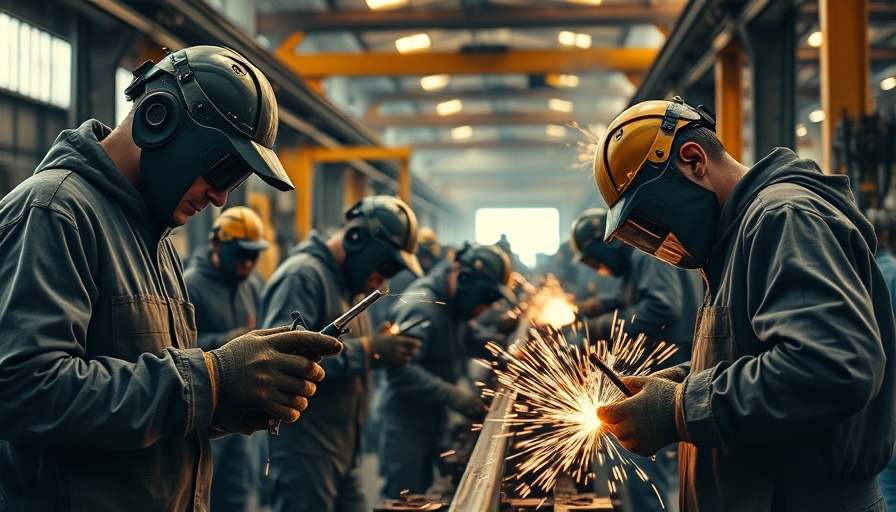
Industrial workers welding, illustrating EU Clean Industrial Deal.

EU’s Clean Industrial Deal: A Double-Edged Sword

The European Commission recently unveiled an ambitious Clean Industrial Deal (CID), touted as a key step toward achieving net-zero emissions across European industries including steel and cement. With promises of regulatory reforms to boost clean technologies, the initiative aims to stimulate investments in electric vehicle (EV) infrastructure and renewable energy. However, critics warn that the deal may fall short of its environmental ambitions, primarily benefiting traditional, fossil-fuel-reliant sectors.

The Promise vs. The Reality

Teresa Ribera, the European Commission's executive vice-president, emphasizes that this deal is Europe’s roadmap for addressing the climate crisis. Ribera envisions the CID as not merely a green initiative but a structured business plan that seeks to reconcile industrial competitiveness with ecological responsibilities. Critics, including the European Environmental Bureau (EEB), counter that despite the ambitious exterior of the CID, it features alarming concessions to polluting industries. 

Concerns From Environmental Advocates

Many environmental organizations express skepticism about the deal’s ability to subdue its inherent contradictions. Christian Schaible, head of zero pollution at EEB, warns that while the CID might accelerate decarbonization, it may also overlook broader environmental responsibilities, effectively prioritizing the needs of energy-intensive industries while sidelining pressing pollution issues. The concessions made to maintain competitiveness, particularly the loosening of sustainability reporting standards, raise flags about the sincerity of the EU's commitment to clean energy.

Investment and Economic Implications

The plan outlines a considerable public investment of nearly $104 billion, aiming to generate additional private capital for clean industrial efforts. However, many experts believe that achieving the ambitious 2040 emission reduction targets will require hundreds of billions more, urging the EU to rethink its fiscal commitments to ensure genuine transitions toward sustainable manufacturing. This financial and strategic focus on supporting polluters raises critical questions about the effectiveness of the deal and its long-term viability.

The Future of Europe’s Clean Industry

Despite the concerns surrounding the CID, the EU aims to establish itself as a global leader in sustainable industries and the circular economy. By setting ambitious goals, such as having 24% of materials in circulation by 2030, the plan seeks to enhance both economic and ecological resiliency. However, for the Clean Industrial Deal to live up to its promises, authorities will need to ensure transparency and accountability, giving equal voice to citizens and stakeholders alongside industry giants.

As the conversation unfolds, the atmospherics of this deal reflect deep uncertainties, not just across Europe but in global climate strategy discussions. The outcomes will depend not only on ambitious plans but concrete actions that genuinely facilitate the transition to sustainable and equitable industries.

Conclusion: Navigate the Future of Clean Industries

As the Clean Industrial Deal continues to stir debate, it’s pivotal for stakeholders across the spectrum to engage actively. The future hinges not just on lofty goals, but on determined action backed by accountability, transparency, and a commitment to uphold the integrity of environmental standards. Start exploring innovative green strategies and stay informed about the unfolding impacts of the Clean Industrial Deal.

EcoHealth Trends

32 Views

0 Comments

Write A Comment

*
*
Please complete the captcha to submit your comment.
Related Posts All Posts
04.12.2026

Discover the Breakthrough in Sustainable Fragrance Production by BioHarvest Sciences

Update Pioneering Fragrance: BioHarvest Sciences Breaks New Ground In a groundbreaking achievement, BioHarvest Sciences has announced the successful stable cell culture development of a rare fragrance-producing plant. This remarkable advancement is made possible through their proprietary botanical synthesis platform, which promises to change how we approach fragrance creation in the world. What Makes This Development Unique? Traditionally, the sourcing of natural fragrances has relied heavily on the cultivation and processing of specific plants, often leading to over-harvesting and environmental concerns. The innovative approach taken by BioHarvest eliminates these issues by creating sustainable cell cultures that can produce the desired fragrances without negatively impacting the plant’s natural habitat. The Importance of Fragrance in Our Lives Fragrances play a crucial role in our lives, influencing our emotions and often evoking fond memories. With their new platform, BioHarvest aims to enhance the industry by providing a sustainable alternative to traditional fragrance production methods. As more consumers lean towards ethically sourced and eco-friendly products, this step forward in technology could align perfectly with modern consumer values. A Closer Look at BioHarvest’s Technology The proprietary botanical synthesis platform operates on principles of biotechnology, allowing for the replication of plant cells that can produce essential oils and aromas. This method begins with a tiny sample of the target plant, which is then cultured under controlled laboratory conditions. The result? A consistent supply of fragrance without the downsides of farming. Emotional Resonance: Community Connection to Fragrance For many, fragrances are deeply intertwined with memories. For example, the scent of lavender may remind someone of a field trip, while sandalwood may evoke feelings of relaxation at home. With BioHarvest's efforts, communities can tap into these emotional connections without contributing to the depletion of natural resources or harm to the environment. Future Predictions and Opportunities Looking to the future, the success of BioHarvest may inspire broader applications of biotechnology within various sectors. Beyond fragrance, this innovation opens doors for sustainable practices in agriculture, cosmetics, and even food industries. As awareness of environmental issues continues to rise, the potential for companies to adopt bio-sustainable technologies will become increasingly relevant. Getting Involved: Why This Matters for Consumers As consumers, being aware of innovations like BioHarvest's sustainable cell cultures allows us to make informed choices. Products that promote environmental sustainability enhance community health and contribute to a better world. Keeping an eye on brands that prioritize eco-conscious practices ensures that individuals support businesses that align with their values. Your Role in Sustainability Now, more than ever, it's crucial to support initiatives that not only strive for quality but also take the environment into consideration. By engaging with companies that are innovating in sustainable practices, consumers empower these pioneers in their journey. Together, we can foster a marketplace where eco-friendly practices become the norm.

Terms of Service

Privacy Policy

Core Modal Title

Sorry, no results found

You Might Find These Articles Interesting

T
Please Check Your Email
We Will Be Following Up Shortly
*
*
*




