

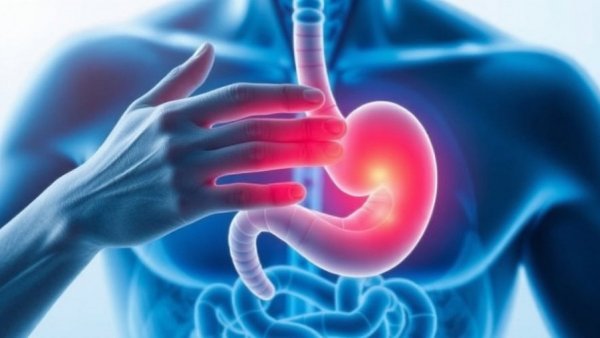
The Gut-Brain Connection: A Deeper Dive
Understanding the intricate relationship between our gut and brain offers remarkable insights into how we respond to stress. The gut-brain axis, a complicated network connecting the two, does not merely influence gut health but also crucially shapes our psychological well-being. Recent studies highlight how our gastrointestinal microbiota interact with neurological pathways, impacting our stress responses. When faced with stress, our gut microbiota's role becomes apparent, as they produce metabolites that directly influence hormones such as cortisol, the body’s primary stress hormone.
Research Advance: How Gut Microbiota Influences Stress Reactivity
In a recent study from the University of Vienna, researchers engaged 74 young adults to dissect this connection further. With controlled stress-inducing tasks, they found that participants with a more diverse gut microbiota displayed a pronounced cortisol response to stress. While at first glance, heightened stress reactivity might seem problematic, the research presented a nuanced view: a strong stress response signals a healthy, adaptable system that primes us to confront challenges effectively.
Paradox of Stress: When More is Actually Better
It’s crucial to perceive strong stress responses in a different light. The research suggests that moderate levels of stress reactivity can indicate vitality and flexibility in our stress systems. For instance, while chronic stress can be debilitating and lead to adverse health effects, appropriately timed stress responses enable us to perform better during critical situations. In essence, our gut health can dictate our resilience, helping us manage and recover from stress effectively.
The Promise of Short-Chain Fatty Acids
Short-chain fatty acids (SCFAs), mainly butyrate, produced from fiber fermentation by gut bacteria, are vital players in this equation. SCFAs not only support gut and immune health but also have potent effects on brain function via the vagus nerve. A diet rich in fiber encourages the growth of beneficial bacteria that produce SCFAs, potentially enhancing our ability to handle stress more effectively.
Practical Steps to Enhance Your Gut Health for Better Stress Management
For those looking to optimize their stress resilience, nurturing gut health is increasingly recognized as pivotal. Prioritize a diet rich in fruits, vegetables, whole grains, and fermented foods to bolster microbial diversity. Regular physical activity and mindful practices like meditation can also support the gut-brain axis by reducing overall stress levels while enhancing gut health.
Conclusion: Embrace a Holistic Approach to Wellness
The relationship between our gut microbiota and stress response emphasizes the importance of a holistic approach to wellness. By understanding and nurturing this connection, we can improve not only our physical health but also our mental resilience. To further explore the implications of your gut health or to share your wellness experiences, engage with fellow health enthusiasts and practitioners in our community. Your journey towards better health begins with the information you choose to embrace.













Write A Comment