

Unraveling the Allure of the Backrooms: Where Digital Meets Reality
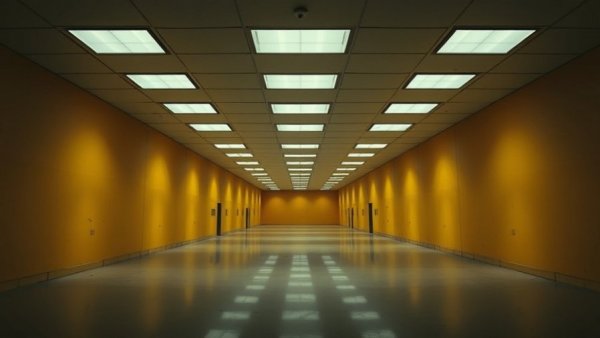
The Backrooms phenomenon has captured the imagination of many, arising from a seemingly simple concept: an endless labyrinth of yellow-tinted rooms, stripped of human presence and full of magnetic eeriness. Since its inception on 4chan in 2019, this urban legend has morphed into a vibrant digital landscape, transforming how we perceive space, nostalgia, and horror.
From Image to Immersive Experience
The Backrooms began its journey with a single unsettling image of an oppressive, fluorescent-lit corridor. This solitary visual sparked a wave of creativity across social media platforms, culminating in videos, stories, and games that invite viewers to step into the unsettling space. Notably, filmmaker Kane Parsons propelled the Backrooms into mainstream awareness through his innovative found-footage films. These videos elevate the original concept, allowing viewers to feel as if they are genuinely wandering through the hollow spaces of the Backrooms.
A New Form of Digital Tourism
The trend represents a shift toward a deeper emotional engagement with fictional spaces. This new type of digital tourism lets audiences not just observe but also contribute. They create their own narratives, add their own experiences, and even depict survival tactics in a realm where conventional rules don’t apply. This contribution fosters a strong sense of community, as enthusiasts gather to share theories and expand the mythology.
Exploring a Shared Human Fear
What's compelling about the Backrooms isn't just the myth itself, but the universal fears it touches upon: the fear of being lost, isolation, and existential dread. As this digital mythos has expanded, it has opened up dialogue about the things that lurk in the subconscious of many. With the phenomenon thriving, we see a reflection of today's societal anxieties—we find ourselves yearning for authentic experiences away from the crowded social feeds and overexposed tourist sights.
The Impact on Future Media and Content Creation
The Backrooms not only inspire traditional media but also challenge content creators to delve into the narrative depths. Can a fictional space evolve into a real-world experience? As the concept becomes intertwined with popular culture, its implications for the film and gaming industries grow. Kane Parsons is set to adapt the Backrooms into a feature-length film, indicating a broader acceptance and integration of user-generated lore into mainstream media.
Community and Social Connection in the Digital Age
The power of the Backrooms is underscored by community dynamics that exist in today’s digital realm. Platforms like Reddit and TikTok serve as gatherings for storytellers—transforming solitary fear into a collective exploration. Contributors don’t just consume; they actively participate, making the experience richer and more nuanced.
As this narrative continues to evolve, consider how such digital spaces reflect our fears and desires. The Backrooms stand as a testament to how the internet can create a communal quest for meaning in fictional universes. They remind us that even within the imprecise, the chilling, and the bizarre, we can find connection and creativity.
What Lies Ahead for the Backrooms?
With academic interest surging alongside the popularity, researchers and cultural critics are likely to investigate this intersection of horror and digital engagement more closely. Theories may continue to unfold, revealing even deeper connections to our realities, suggesting that digital spaces might one day cross the threshold into tangible experiences, similar to augmented reality trends in entertainment.
Ultimately, the story of the Backrooms raises a pivotal question: as digital narratives grow and evolve, how will they continue to impact our perceptions of reality and community? Perhaps it’s time to tread carefully into these proverbial ‘rooms’ and confront both our fears and our intrigue.













Write A Comment