

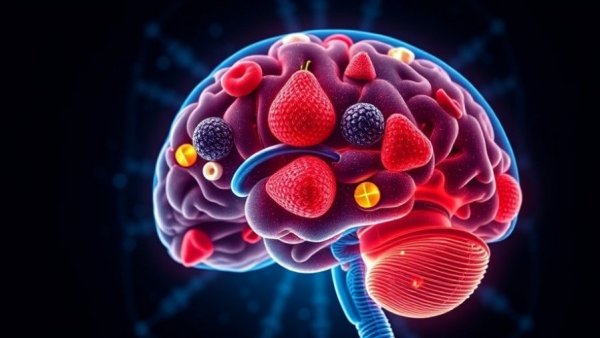
Unlocking Cognitive Resilience: The MIND Diet Explained
As we age, our brains face various challenges, including structural changes that can lead to cognitive decline. However, recent research is shifting our understanding of aging and cognition, illustrating that a well-planned diet can significantly impact cognitive resilience. A study published in Frontiers in Nutrition sheds light on the potential of the MIND diet—a combination of the Mediterranean and DASH diets—aimed specifically at safeguarding brain health.
Understanding the MIND Diet: What’s on Your Plate?
The MIND diet emphasizes foods rich in nutrients known to support brain function. Core components include leafy greens, berries, whole grains, nuts, olive oil, and fish. These foods are packed with antioxidants and anti-inflammatory properties capable of battling oxidative stress, which can otherwise harm cognitive function. This diet not only echoes some standard healthy eating recommendations but also prioritizes specific items that shine in the context of brain health.
Key Findings from the Research Study
This recent research analyzed the cognitive performance of 66 older adults at risk for dementia—showing a notable link between adherence to the MIND diet and better cognitive scores, particularly memory retention. Those following the MIND diet demonstrated a remarkable resistance to the cognitive decline typically associated with high levels of white matter hyperintensities (WMH) and declining cortical volume. The protective benefits observed highlight what scientists refer to as "cognitive resilience," which is the brain's remarkable ability to maintain function even amid concerning pathological changes.
The Unique Benefits of the MIND Diet
Unlike general dietary recommendations, the MIND diet specifically targets foods that are backed by strong evidence to enhance brain health. For tech-savvy health enthusiasts, incorporating brain-boosting foods into your daily regime can potentially slow down age-related cognitive decline. By minimizing oxidative stress and promoting healthy blood-brain barrier function, the MIND diet may offer pathways for enhancing cognitive resilience that traditional dietary frameworks cannot.
Simple Steps to Embrace the MIND Diet
Adopting the MIND diet generally requires minimal changes to your eating habits. Start by introducing more dark, leafy greens and a variety of berries into your meals. Opt for whole grains over refined options and consider replacing less healthy fats with heart-friendly fats like olive oil. Including fish in your diet twice a week and snacking on nuts instead of chips or sweets can dramatically ease the transition. This subtle shift in eating patterns can catalyze significant benefits for brain health.
What’s Next for Age-Defying Strategies?
The implications of these findings extend beyond merely preserving memory; they open the door to a broader discussion on dietary influences on aging and overall health. Given the emerging evidence supporting the MIND diet, this could present an opportunity for individuals who are age-conscious to take proactive steps toward enhancing their cognitive function and preserving mental acuity.













Write A Comment