

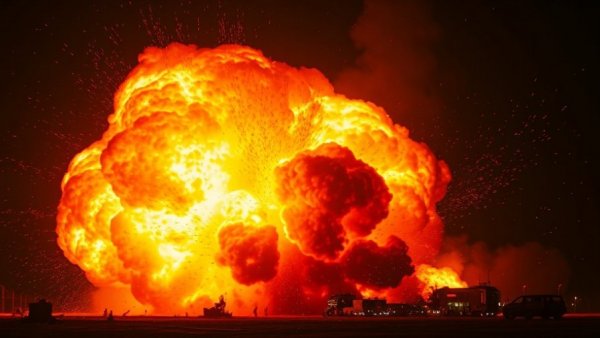
Concerns Grow Over Army's Planned Toxic Detonation in Iowa
The U.S. Army's announcement to detonate 68 barrels of unstable lead azide at the Iowa Army Ammunition Plant by November 20, 2026, has sparked significant public concern. The plan, which will require emergency evacuations and school closures across southeastern Iowa, not only raises alarms about immediate safety but also poses potential long-term health and environmental risks.
Lead azide, primarily used in ammunition primers, has become a hazardous material due to destabilization from recrystallization. Despite the Army's assurances that on-site destruction is the safest option to prevent accidental detonation during transit, modeling data suggests that toxic lead particles will be released into the atmosphere, creating a dust plume that may affect populations up to 100 miles away. Communities in northern Illinois and parts of Iowa, including Maquoketa and Middletown, are bracing for what officials describe as a public safety emergency.
Tenacious Ties Between Military Operations and Environmental Incidents
The controversy surrounding this detonation mirrors a broader trend in the military's handling of environmental safety. Similar incidents have surfaced over the decades, from issues related to Camp Lejeune's contaminated water supply to unexploded ordnance remaining in previously used training grounds. Critics argue that military operations often prioritize logistical practicalities over the health and safety of nearby communities.
The Role of Regulatory Agencies in Community Protection
The Army's actions come under scrutiny, particularly regarding the Environmental Protection Agency's (EPA) permit process, which critics claim does not adequately assess the potential risks involved. Local environmental advocacy groups, such as the Iowa Environmental Council, have filed motions to halt the detonation, insisting on a more thorough evaluation of the proposed action and better public communication. In a statement, Iowa's Gov.-elect Rob Sand highlighted the need for transparency, stating, "The public deserves to know, if this is the safest option, then why were other measures not considered?"
Defining the Terms of Acceptance for Environmental Risks
The postponement of the detonation until November 23 only addresses short-term concerns, leaving open questions about the balancing act between military expediency and the long-term health ramifications for local residents. As experts warn that there is no safe level of lead exposure, particularly for children, this incident raises important questions about community rights, military responsibilities, and environmental justice.
Your Role: Stay Informed and Engage
For residents and citizens in affected communities, understanding these complex dynamics is crucial. Mobilizing to advocate for stricter environmental safety standards and better communication from military and regulatory agencies can play a pivotal role in ensuring community safety. Engaging in local discussions and pushing for transparency in government actions can ultimately promote healthier and safer living environments.













Write A Comment