

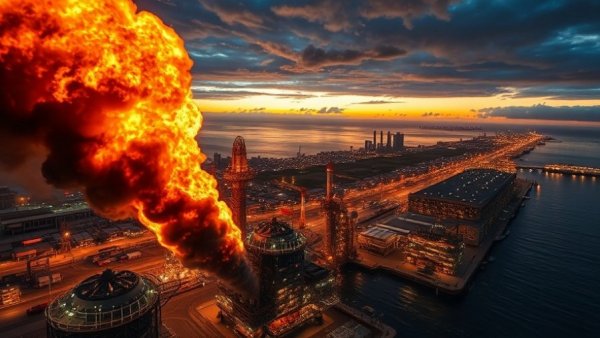
Recent Escalation: The Ongoing Tensions Between Iran and U.S. Allies
The latest uptick in conflict erupted earlier this week, igniting alarm bells across the geopolitical landscape. Following a U.S. bombing of an Iranian missile launch site on Qeshm Island, Iran launched retaliatory strikes against U.S. interests in the Persian Gulf, targeting military bases in Kuwait and Bahrain. This incident not only marks a significant shift in a relationship characterized by intermittent hostilities but also illustrates a complex interplay of military capability and diplomatic maneuvering within the region.
Understanding the Strategic Underpinnings of This Conflict
At the helm of this escalating skirmish is the fragile balance of power in the Middle East, underscored by the strategic positioning of U.S. military assets. Tehran’s focus on striking U.S. allies rather than American forces directly suggests a calculated approach, highlighting a sophisticated military strategy aimed at disrupting U.S. credibility and influence among its partners. With both sides unwilling to deescalate, the potential for an explosive regional conflict looms larger each day.
The Broader Implications for Global Stability
The recent turmoil reflects more than just localized tensions; it points to profound implications for global security and economy. As Iran continues to test the resolve of Middle Eastern nations allied with the U.S., there is growing concern about the ripple effects on global oil prices and international trade. Oil-producing countries in the region look on with trepidation, as the implications of further instability threaten economic interests and security across a broader spectrum.
Regional Responses: Allies Rally Against Iranian Aggression
The response from Gulf partners—Saudi Arabia, Bahrain, and Qatar—has shown a unified front against Iranian actions. Statements condemning Iran’s aggression echo through diplomatic channels, with calls for a negotiated solution gaining momentum. This rallying of the Gulf Cooperation Council not only emphasizes the shifting alliances in the wake of increased hostilities but also reflects the dire need for a cohesive strategy to combat the rising threats.
Potential Pathways Forward: Is Diplomacy Still an Option?
Despite the maelstrom of conflict, diplomatic talks that engaged Iranian representatives just before the recent hostilities shed light on alternative pathways for resolution. The juxtaposition between military responses and negotiation highlights a critical juncture; can diplomacy prevail in a time of heightened tensions? Only time will tell if stakeholders can navigate this incredibly delicate landscape toward a more sustainable peace.
Conclusion: The Way Ahead
As tensions continue to mount, it becomes imperative for global leaders to examine the implications of their decisions carefully. It may be more crucial than ever for diplomatic channels to remain open in the pursuit of de-escalation before the situation spirals out of control.












Write A Comment