Parallel Health World News Logo

Parallel Health World

cropper
  • Home
  • Categories
    • EcoHealth Trends
    • Healing Naturally
    • Age-Defying Diets
    • Supplement Savvy
    • Mind-Body Synergy
    • Finance and Health
    • Biolimitless
    • Tech Hacks
    • Health & Medicine
    • Political
    • BioBuzz
    • Holistic Rehabilitation Techniques
    • Practitioner Insights
    • AI In Healthcare
  • Featured Business Profiles
November 17.2026
3 Minutes Read

Moving to a New State? Understand Your Changing Healthcare Access

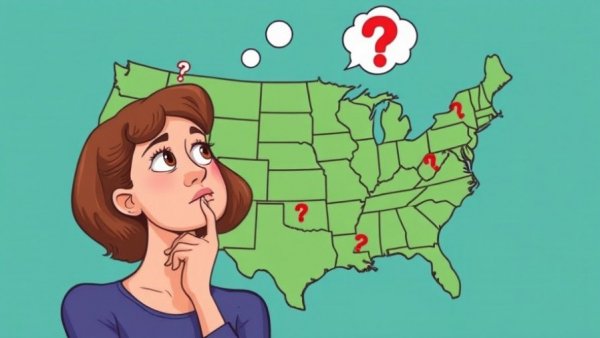
Illustration of map with healthcare access symbols for moving to a new state

Understanding the Healthcare Shift When Moving States

Relocating to a new state isn’t just about adjusting to a new job and environment; it also means navigating a complex landscape of healthcare that varies significantly across state lines. For young adults like Jael Samano, moving from Illinois to Wisconsin highlighted the often-overlooked challenge of transitioning healthcare providers and insurance systems.

As Jael discovered, the decision to move can prompt significant changes in healthcare access, insurance options, and available services. This is especially pertinent for those under 30, who often rely on parents' health insurance or face changing Medicaid eligibility based on their new state. Understanding these nuances and preparing ahead can ease the transition.

Healthcare Coverage: A Key Consideration

Before packing up, it's crucial to check available health insurance options. Moving qualifies as a “qualifying life event,” allowing individuals to enroll in a new health insurance plan via the Affordable Care Act (ACA) marketplace outside traditional enrollment periods. However, the rules governing Medicaid can differ vastly between states. For instance, while 40 states and Washington D.C. offer Medicaid to individuals earning up to $22,000, several states, including Texas and Florida, haven’t expanded their Medicaid programs under the ACA, making it challenging for young, single individuals to qualify.

“If you anticipate needing Medicaid post-move, these particular states may not be the best choice,” advises Jennifer Tolbert of the Kaiser Family Foundation. It's imperative to research a state's Medicaid eligibility criteria thoroughly.

Keeping Parent's Health Coverage: A Viable Option

For young adults still on their parents' insurance plans, there are options to maintain coverage beyond age 26. Most states allow young adults to stay on their parent's plan until they are 26; however, some states extend this age or have eligibility criteria based on residency and student status. In Florida, for instance, young adults can remain on a parent's plan until 30, provided they meet specific conditions.

Nevertheless, maintaining coverage through a parent's plan often comes with a limited network of healthcare providers in many states. If the move takes you far from your home state's providers, securing in-network access can be challenging. Be sure to verify your provider’s participation in your parent’s insurance plan before relocating.

Impact of State Variances on Healthcare Access

Healthcare laws and what’s legally accessible can vary significantly from state to state. For example, while 40 states permit the use of medicinal marijuana, the legal landscape is starkly different in states like Idaho and Kansas, which have banned all forms of marijuana. Additionally, access to reproductive healthcare, including abortion, presents another layer of complexity. With 13 states banning abortion outright, moving to a state with restrictive reproductive laws can significantly impact women's health services.

Future Considerations for Healthcare Movers

As trends in healthcare policy continue to evolve, particularly with the upcoming federal work requirements for Medicaid in 2027, understanding one’s healthcare in a new state will become increasingly important. Those considering relocation should prioritize researching local laws, available care options, and insurance regulations.

Moreover, individuals should keep abreast of any changes in healthcare legislation that may arise. Knowledge of state-specific healthcare options not only helps mitigate potential access issues but also empowers individuals to make informed decisions regarding their health and wellbeing.

Creating a Smooth Transition for Your Health Needs

Before making a move, it's beneficial to create a checklist addressing your healthcare needs. Research local providers, understand insurance networks, and know the regulations governing your healthcare access. Transitioning won’t be seamless, but informed choices can help simplify the process.

In conclusion, whether you’re drawn by career opportunities or a desire for fresh landscapes, moving to a new state requires careful consideration of your healthcare options, access, and regulations. By staying informed and proactive, you can better navigate the healthcare complexities that accompany new beginnings.


Political

2 Views

0 Comments

Write A Comment

*
*
Please complete the captcha to submit your comment.
Related Posts All Posts
11.18.2026

Federal Cuts Threaten Drug Testing Efforts: What You Need to Know

Update The Cost of Inaction: Federal Cuts to Harm Reduction ProgramsThe landscape of drug harm reduction is changing rapidly, and alarming statistics reflect a growing crisis that threatens countless lives. As federal funding cuts tighten their grip, organizations that provide life-saving tools to drug users are left scrambling. The narrative is stark: funding for testing strips—which have been shown to reduce overdose deaths by giving users the information they need to make safer choices—has been significantly slashed, undermining efforts to combat an epidemic fueled by potent, tainted drugs.Understanding Harm Reduction: A Lifeline for CommunitiesHarm reduction is not just a theoretical approach; it is a practical lifeline. Research indicates that access to drug-testing tools fosters engagement with broader support services, significantly enhancing safety and reducing fatalities in communities affected by substance use. Advocacy groups argue that informed users are empowered users. This empowerment translates into behavior that promotes safety—people using naloxone, not consuming drugs alone, and seeking treatment when necessary. Unfortunately, with diminishing resources, the battle against overdoses is becoming increasingly desperate as illustrated by local heroes like Diannee Carden Glenn, whose organization relies on her dwindling retirement funds to provide these essential services.The Local Impact: A Closer Look at North Carolina's ResponseIn North Carolina, the ramifications of these federal cuts are palpable. The state's opioid response program heavily depended on the federal Substance Abuse and Mental Health Services Administration's funding, primarily directed to test strips for dangerous substances like fentanyl and xylazine. These tests save lives, allowing users to make informed decisions in the face of an unpredictable drug landscape where potent opioids and other potentially lethal drugs are being passed off as something innocuous. The North Carolina Harm Reduction Coalition also employs advanced tools, such as Fourier transform infrared spectroscopy machines, to enhance their outreach efforts. Yet, with budget constraints looming, the risk of these lifesaving measures falling by the wayside increases dramatically.A National Perspective: Trends and Future DirectionsThe national debate surrounding harm reduction has reached a critical juncture. As states grapple with funding shortcomings, a pivotal question emerges: How can communities safeguard public health without adequate support from state and federal agencies? The answer may lie in innovative funding mechanisms—like partnerships with tech companies to develop better testing tools and engage more effectively with users in need. Federal programs supporting recovery must broaden their scope beyond one-size-fits-all solutions and seriously consider the impact of harm reduction as a necessary public health strategy. The consequences of neglect could lead to further spikes in overdose rates, highlighting the urgent need for changes in policy and funding approaches.Empowering Change: Local Heroes and National MovementsLocal leaders, like Carden Glenn, exemplify the dedication evident in the harm reduction movement. They work tirelessly, often with limited resources, to fight the battle against overdoses within their communities. Their stories tell of commitment and resilience, illustrating the essential role that local voices play in the broader advocacy for change. To make a lasting impact, these grassroots efforts must gain the attention of policymakers who can influence significant reform. Engaging with community leaders and those directly impacted by drug policies can provide insights into what is truly needed on the ground.Charting a Path Forward: A Call to ActionAs tech-savvy health enthusiasts, the audience reading this has the power to advocate for better policies and practices surrounding harm reduction. Staying informed about legislative changes, participating in local policy discussions, and supporting organizations like ekiM for Change are just a few ways to contribute. Additionally, leveraging social media platforms for awareness campaigns can amplify the voices of those affected by drug scarcity and overdose crises.

11.16.2026

Incentives and Challenges: Exploring the Push for Rural Healthcare Workers

Update Understanding the Rural Healthcare Crisis Healthcare shortages in rural areas, including places like Kaua‘i, have transformed the lives of individuals like Dylan Lawton. Patients, particularly those requiring specialized care, often have to travel hundreds of miles for treatment. The situation emphasizes not only the geographic isolation but also the stark reality of limited medical facilities available to them. As it stands, the funding from initiatives like the Rural Health Transformation Program may not fully address the complexities of staffing these underserved regions. Rural Health Transformation Program: A Double-Edged Sword? Designed to incentivize healthcare professionals to serve in rural areas, the recently established $50 billion Rural Health Transformation Program aimed to ease these burdens. However, the commitment requirement tied to this program raises eyebrows. While the intention is noble, asking professionals to serve five years could prove to be a hurdle due to various life circumstances that may compel them to move elsewhere sooner. Pitfalls of a Rigid Commitment Critics like Maya Sandalow from the Bipartisan Policy Center argue that requiring a strict five-year service commitment may be impractical for many lower-paid healthcare workers. Between personal obligations and varied job markets, the reality is that retaining talent in rural regions is more complicated than offering incentives. For many, financial stability might necessitate moving to areas that offer better salaries and job security. This potential instability could deter practitioners from settling in rural locales, despite available funding incentives. Dylan Lawton’s Reality: A Case Study As a case in point, Dylan Lawton’s journey highlights the challenges facing young medical professionals. Despite his aspirations to practice in Kauaʻi, his need for specialized care led him away from the island where he hoped to serve. Sadly, he exemplifies many healthcare workers who face their own health battles while simultaneously striving to care for their communities. This dual struggle questions the effectiveness of educational programs that promote rural health practices without providing adequate support for the complex realities that live within them. The Ripple Effect of Healthcare Commitments The impact of healthcare shortages is not only felt by patients but also reverberates throughout communities. Continuous medical care is essential to promote healthy living, yet the challenge lies in ensuring that practitioners have the means to live and work feasibly in rural settings. With financial incentives tied to service commitments, the healthcare system must explore additional avenues that allow flexibility. If states can’t adjust requirements, they may lose potential providers altogether. Exploring Innovative Solutions Aside from strict service commitments, there must be discussions around how to create a sustainable workforce within rural areas. Consideration of telehealth services, flexible funding, and job-sharing arrangements could provide alternative pathways to fill the gaps. The integration of technology has proved invaluable, but if regions continue to face severe shortages, even the best-laid plans may fall short. A Call for System Change The commitment to rural healthcare should not rest solely on the shoulders of young medical professionals. Comprehensive solutions should be embraced: from legislative changes to community support systems aimed at subduing the dire consequences of healthcare deserts. Missouri and Montana have seen promising results from innovative attempts to incentivize professionals without the harsh penalties associated with unmet service requirements. Careful re-evaluation is paramount to cultivating a committed medical workforce in rural settings. In light of current healthcare challenges, it is imperative to open discussions that include a wider variety of perspectives. Broadening the conversation surrounding rural healthcare can potentially lead to more effective retention strategies that foster an environment conducive to both professional fulfillment and community health.

11.16.2026

Medicaid Expansion: The New Governors Face Legislative Turbulence Ahead

Update Understanding Medicaid Expansion: A Crucial Step Towards Health EquityThe recent election victories of governors-elect like Keisha Lance Bottoms in Georgia signal a significant pivot towards Medicaid expansion in states that have historically resisted it. With over a million potential new beneficiaries, the stakes are high, making the dialogue surrounding Medicaid expansion not just political, but deeply personal for many families. Bottoms' assertion that her victory is for caregivers struggling with healthcare access encapsulates the emotional and practical implications of this policy shift.Political Landscape Shifts: New Opportunities and ChallengesThe shifting political landscape, highlighted by the Democrats reclaiming control of Congress, offers these newly elected officials a unique opportunity to push for the expansion of Medicaid. However, the path forward is fraught with obstacles. Changes imposed by the previous administration's budget cuts could complicate expansion efforts, as states grapple with a loss of financial incentives and new funding restrictions. The complexity of navigating these legislative challenges cannot be overstated.Financial Implications of Medicaid ExpansionRecent data indicates that states like Wisconsin may stand to lose substantial federal funding if they do not expand Medicaid fully. The Wisconsin Hospital Association has warned that failing to broaden eligibility could threaten hundreds of millions of dollars that help maintain the healthcare infrastructure serving low-income residents. This backdrop highlights the economic importance of Medicaid expansion: beyond providing health insurance, it also sustains local economies and supports healthcare providers.Healthcare Providers' Perspectives: Navigating the New RealityAs leaders like Caylee Noggle point out, the situation is complex, with both benefits and trade-offs tied to the expansion of Medicaid. Healthcare providers are on the frontline of this discussion, as they are profoundly affected by how states choose to manage their Medicaid programs. A robust Medicaid expansion could alleviate some of the financial pressures on hospitals that treat high volumes of Medicaid patients, thereby improving overall healthcare access and quality.The Future of Medicaid Expansion: Opportunities for InnovationThe potential for Medicaid expansion extends beyond mere numbers; it presents an opportunity for states to innovate in how they deliver care. As we observe successful models in states that have fully embraced expansion, such as North Carolina, other states may find inspiration for implementing cutting-edge wellness strategies. This could lead to new healthcare delivery models that prioritize preventative care and community health initiatives.The Importance of Community Engagement in Medicaid ExpansionCommunity feedback and involvement are vital to making Medicaid expansion a success. As local constituencies express their needs and concerns, it’s crucial for governors and lawmakers to listen. Engaging patients, local healthcare providers, and advocacy groups can result in tailored solutions that address specific community health issues, ultimately fostering a more effective healthcare system.The victories of these governors-elect reflect a growing recognition of healthcare as a fundamental right. Engaging in meaningful conversations about Medicaid expansion is essential, not only to tackle systemic inequities but also to pave the way for a healthier, more equitable society for all. As policymakers move forward, they must consider both the fiscal and social impacts of their decisions on real families and communities.

Where Conventional Meets Natural for a Healthier You

Parallel Health World News offers clarity and actionable knowledge for those eager to harmonize the best of both medical worlds, helping its audience achieve a truly integrative approach to health and wellness.

Advertise
Parallel Health World News
SeamanDan.com
Dan Seaman Media Press Pass

ABOUT US
SeamanDan LLC is a modern news media agency creating niche digital channels that inform and engage. We specialize in launching focused platforms that deliver impactful content.  Our current brands include:
Parallel Health World
AI Insights Hub
MLM News AI
Rider Safe News
Meme Crypto News
Rugged Trails Network
Recreation Wave
Outdoor Odyssey News
Eco-Innovation Hub
Metal Green Innovators
Autism Foundation News

At SeamanDan LLC, we don't just report the news we create platforms that build communities, foster trust, and drive forward-thinking conversations.  Can we build a channel for you?

© 2026 Parallel Health World News All Rights Reserved. 810 N Main St #187, Spearfish, SD 57783 . Contact Us . Terms of Service . Privacy Policy

eyJjb21wYW55IjoiUGFyYWxsZWwgSGVhbHRoIFdvcmxkIE5ld3MiLCJhZGRyZXNzIjoiLCAsICAiLCJjaXR5IjoiIiwic3RhdGUiOiIiLCJ6aXAiOiIiLCJlbWFpbCI6InNlYW1hbmRhbkBzZWFtYW5kYW4uY29tIiwidG9zIjoiUEhBK1BITjBjbTl1Wno0OFpXMCtWMmhsYmlCNWIzVWdjMmxuYmkxcGJpQjNhWFJvSUhWekxDQjViM1VnWVhKbElHZHBkbWx1WnladVluTndPeUI1YjNWeUlIQmxjbTFwYzNOcGIyNGdZVzVrSUdOdmJuTmxiblFnZEc4Z2MyVnVaQ0I1YjNVZ1pXMWhhV3dnWVc1a0wyOXlJRk5OVXlCMFpYaDBJRzFsYzNOaFoyVnpMaUJDZVNCamFHVmphMmx1WnlCMGFHVWdWR1Z5YlhNZ1lXNWtJRU52Ym1ScGRHbHZibk1nWW05NElHRnVaQ0JpZVNCemFXZHVhVzVuSUdsdUlIbHZkU0JoZFhSdmJXRjBhV05oYkd4NUlHTnZibVpwY20wZ2RHaGhkQ0I1YjNVZ1lXTmpaWEIwSUdGc2JDQjBaWEp0Y3lCcGJpQjBhR2x6SUdGbmNtVmxiV1Z1ZEM0OEwyVnRQand2YzNSeWIyNW5Qand2Y0Q0S0NqeHdQaVp1WW5Od096d3ZjRDRLQ2p4d1BqeHpkSEp2Ym1jK1UwVlNWa2xEUlR3dmMzUnliMjVuUGp3dmNENEtDanh3UGxkbElIQnliM1pwWkdVZ1lTQnpaWEoyYVdObElIUm9ZWFFnWTNWeWNtVnVkR3g1SUdGc2JHOTNjeUI1YjNVZ2RHOGdjbVZqWldsMlpTQnlaWEYxWlhOMGN5Qm1iM0lnWm1WbFpHSmhZMnNzSUdOdmJYQmhibmtnYVc1bWIzSnRZWFJwYjI0c0lIQnliMjF2ZEdsdmJtRnNJR2x1Wm05eWJXRjBhVzl1TENCamIyMXdZVzU1SUdGc1pYSjBjeXdnWTI5MWNHOXVjeXdnWkdselkyOTFiblJ6SUdGdVpDQnZkR2hsY2lCdWIzUnBabWxqWVhScGIyNXpJSFJ2SUhsdmRYSWdaVzFoYVd3Z1lXUmtjbVZ6Y3lCaGJtUXZiM0lnWTJWc2JIVnNZWElnY0dodmJtVWdiM0lnWkdWMmFXTmxMaUJaYjNVZ2RXNWtaWEp6ZEdGdVpDQmhibVFnWVdkeVpXVWdkR2hoZENCMGFHVWdVMlZ5ZG1salpTQnBjeUJ3Y205MmFXUmxaQ0FtY1hWdmREdEJVeTFKVXlaeGRXOTBPeUJoYm1RZ2RHaGhkQ0IzWlNCaGMzTjFiV1VnYm04Z2NtVnpjRzl1YzJsaWFXeHBkSGtnWm05eUlIUm9aU0IwYVcxbGJHbHVaWE56TENCa1pXeGxkR2x2Yml3Z2JXbHpMV1JsYkdsMlpYSjVJRzl5SUdaaGFXeDFjbVVnZEc4Z2MzUnZjbVVnWVc1NUlIVnpaWElnWTI5dGJYVnVhV05oZEdsdmJuTWdiM0lnY0dWeWMyOXVZV3hwZW1GMGFXOXVJSE5sZEhScGJtZHpMand2Y0Q0S0NqeHdQbGx2ZFNCaGNtVWdjbVZ6Y0c5dWMybGliR1VnWm05eUlHOWlkR0ZwYm1sdVp5QmhZMk5sYzNNZ2RHOGdkR2hsSUZObGNuWnBZMlVnWVc1a0lIUm9ZWFFnWVdOalpYTnpJRzFoZVNCcGJuWnZiSFpsSUhSb2FYSmtJSEJoY25SNUlHWmxaWE1nS0hOMVkyZ2dZWE1nVTAxVElIUmxlSFFnYldWemMyRm5aWE1zSUVsdWRHVnlibVYwSUhObGNuWnBZMlVnY0hKdmRtbGtaWElnYjNJZ1kyVnNiSFZzWVhJZ1lXbHlkR2x0WlNCamFHRnlaMlZ6S1M0Z1dXOTFJR0Z5WlNCeVpYTndiMjV6YVdKc1pTQm1iM0lnZEdodmMyVWdabVZsY3l3Z2FXNWpiSFZrYVc1bklIUm9iM05sSUdabFpYTWdZWE56YjJOcFlYUmxaQ0IzYVhSb0lIUm9aU0JrYVhOd2JHRjVJRzl5SUdSbGJHbDJaWEo1SUc5bUlHVmhZMmdnVTAxVElIUmxlSFFnYldWemMyRm5aU0J6Wlc1MElIUnZJSGx2ZFNCaWVTQjFjeTRnU1c0Z1lXUmthWFJwYjI0c0lIbHZkU0J0ZFhOMElIQnliM1pwWkdVZ1lXNWtJR0Z5WlNCeVpYTndiMjV6YVdKc1pTQm1iM0lnWVd4c0lHVnhkV2x3YldWdWRDQnVaV05sYzNOaGNua2dkRzhnWVdOalpYTnpJSFJvWlNCVFpYSjJhV05sSUdGdVpDQnlaV05sYVhabElIUm9aU0JUVFZNZ2RHVjRkQ0J0WlhOellXZGxjeTRnVjJVZ1pHOGdibTkwSUdOb1lYSm5aU0JoYm5rZ1ptVmxjeUJtYjNJZ1pHVnNhWFpsY25rZ2IyWWdaVzFoYVd3Z2IzSWdVMDFUTGlCVWFHbHpJR2x6SUdFZ1puSmxaU0J6WlhKMmFXTmxJSEJ5YjNacFpHVmtJR0o1SUhWekxpQkliM2RsZG1WeUxDQndiR1ZoYzJVZ1kyaGxZMnNnZDJsMGFDQjViM1Z5SUdsdWRHVnlibVYwSUhObGNuWnBZMlVnY0hKdmRtbGtaWElnWVc1a0lHTmxiR3gxYkdGeUlHTmhjbkpwWlhJZ1ptOXlJR0Z1ZVNCamFHRnlaMlZ6SUhSb1lYUWdiV0Y1SUdsdVkzVnlJR0Z6SUdFZ2NtVnpkV3gwSUdaeWIyMGdjbVZqWldsMmFXNW5JR1Z0WVdsc0lHRnVaQ0JUVFZNZ2RHVjRkQ0J0WlhOellXZGxjeUIwYUdGMElIZGxJR1JsYkdsMlpYSWdkWEJ2YmlCNWIzVnlJRzl3ZEMxcGJpQmhibVFnY21WbmFYTjBjbUYwYVc5dUlIZHBkR2dnYjNWeUlHVnRZV2xzSUdGdVpDQlRUVk1nYzJWeWRtbGpaWE11SUZsdmRTQmpZVzRnWTJGdVkyVnNJR0YwSUdGdWVTQjBhVzFsTGlCS2RYTjBJSFJsZUhRZ0puRjFiM1E3VTFSUFVDWnhkVzkwT3lCMGJ5WnVZbk53T3p4b2FXZG9iR2xuYUhRZ1kyeGhjM005SW1OdmJYQmhibmxUVFZOUWFHOXVaVlZ3WkdGMFpTSStiblZzYkR3dmFHbG5hR3hwWjJoMFBpNGdRV1owWlhJZ2VXOTFJSE5sYm1RZ2RHaGxJRk5OVXlCdFpYTnpZV2RsSUNaeGRXOTBPMU5VVDFBbWNYVnZkRHNnZEc4Z2RYTXNJSGRsSUhkcGJHd2djMlZ1WkNCNWIzVWdZVzRnVTAxVElHMWxjM05oWjJVZ2RHOGdZMjl1Wm1seWJTQjBhR0YwSUhsdmRTQm9ZWFpsSUdKbFpXNGdkVzV6ZFdKelkzSnBZbVZrTGlCQlpuUmxjaUIwYUdsekxDQjViM1VnZDJsc2JDQnVieUJzYjI1blpYSWdjbVZqWldsMlpTQlRUVk1nYldWemMyRm5aWE1nWm5KdmJTQjFjeTQ4TDNBK0NnbzhjRDQ4YzNSeWIyNW5QbGxQVlZJZ1VrVkhTVk5VVWtGVVNVOU9JRTlDVEVsSFFWUkpUMDVUUEM5emRISnZibWMrUEM5d1Bnb0tQSEErU1c0Z1kyOXVjMmxrWlhKaGRHbHZiaUJ2WmlCNWIzVnlJSFZ6WlNCdlppQjBhR1VnVTJWeWRtbGpaU3dnZVc5MUlHRm5jbVZsSUhSdk9qd3ZjRDRLQ2p4dmJENEtDVHhzYVQ1d2NtOTJhV1JsSUhSeWRXVXNJR0ZqWTNWeVlYUmxMQ0JqZFhKeVpXNTBJR0Z1WkNCamIyMXdiR1YwWlNCcGJtWnZjbTFoZEdsdmJpQmhZbTkxZENCNWIzVnljMlZzWmlCaGN5QndjbTl0Y0hSbFpDQmllU0IwYUdVZ1UyVnlkbWxqWlNZak16azdjeUJ5WldkcGMzUnlZWFJwYjI0Z1ptOXliU0FvYzNWamFDQnBibVp2Y20xaGRHbHZiaUJpWldsdVp5QjBhR1VnSm5GMWIzUTdVbVZuYVhOMGNtRjBhVzl1SUVSaGRHRW1jWFZ2ZERzcElHRnVaRHd2YkdrK0NnazhiR2srYldGcGJuUmhhVzRnWVc1a0lIQnliMjF3ZEd4NUlIVndaR0YwWlNCMGFHVWdVbVZuYVhOMGNtRjBhVzl1SUVSaGRHRWdkRzhnYTJWbGNDQnBkQ0IwY25WbExDQmhZMk4xY21GMFpTd2dZM1Z5Y21WdWRDQmhibVFnWTI5dGNHeGxkR1V1SUVsbUlIbHZkU0J3Y205MmFXUmxJR0Z1ZVNCcGJtWnZjbTFoZEdsdmJpQjBhR0YwSUdseklIVnVkSEoxWlN3Z2FXNWhZMk4xY21GMFpTd2dibTkwSUdOMWNuSmxiblFnYjNJZ2FXNWpiMjF3YkdWMFpTd2diM0lnZDJVZ2FHRjJaU0J5WldGemIyNWhZbXhsSUdkeWIzVnVaSE1nZEc4Z2MzVnpjR1ZqZENCMGFHRjBJSE4xWTJnZ2FXNW1iM0p0WVhScGIyNGdhWE1nZFc1MGNuVmxMQ0JwYm1GalkzVnlZWFJsTENCdWIzUWdZM1Z5Y21WdWRDQnZjaUJwYm1OdmJYQnNaWFJsTENCM1pTQm9ZWFpsSUhSb1pTQnlhV2RvZENCMGJ5QnpkWE53Wlc1a0lHOXlJRHh6ZEhKdmJtYytQSE53WVc0Z2MzUjViR1U5SW1OdmJHOXlPaU5HUmpBd01EQTdJajUwWlhKdGFXNWhkR1VnZVc5MWNpQmhZMk52ZFc1MEwzQnliMlpwYkdVZ1lXNWtJSEpsWm5WelpTQmhibmtnWVc1a0lHRnNiQ0JqZFhKeVpXNTBJRzl5SUdaMWRIVnlaU0IxYzJVZ2IyWWdkR2hsSUZObGNuWnBZMlVnS0c5eUlHRnVlU0J3YjNKMGFXOXVJSFJvWlhKbGIyWXBMand2YzNCaGJqNDhMM04wY205dVp6NDhMMnhwUGdvOEwyOXNQZ29LUEhBK0ptNWljM0E3UEM5d1BnbzhhR2xuYUd4cFoyaDBJR05zWVhOelBTSmpiMjF3WVc1NVRtRnRaVlZ3WkdGMFpTSStVR0Z5WVd4c1pXd2dTR1ZoYkhSb0lGZHZjbXhrSUU1bGQzTThMMmhwWjJoc2FXZG9kRDQ4WW5JZ0x6NEtQR2hwWjJoc2FXZG9kQ0JqYkdGemN6MGlZMjl0Y0dGdWVVRmtaSEpsYzNOVmNHUmhkR1VpUGpneE1DQk9JRTFoYVc0Z1UzUWdJekU0Tnl3Z1UzQmxZWEptYVhOb0xDQlRSQ0ExTnpjNE16d3ZhR2xuYUd4cFoyaDBQanhpY2lBdlBnbzhhR2xuYUd4cFoyaDBJR05zWVhOelBTSmpiMjF3WVc1NVVHaHZibVZWY0dSaGRHVWlQaXN3SUNzeE5qYzRORGM0TkRZNU1Ed3ZhR2xuYUd4cFoyaDBQanhpY2lBdlBnbzhhR2xuYUd4cFoyaDBJR05zWVhOelBTSmpiMjF3WVc1NVJXMWhhV3hWY0dSaGRHVWlQbk5sWVcxaGJtUmhia0J6WldGdFlXNWtZVzR1WTI5dFBDOW9hV2RvYkdsbmFIUSsiLCJwcml2YWN5IjoiUEhBK1BITjBjbTl1Wno1UVVrbFdRVU5aUEM5emRISnZibWMrUEM5d1Bnb0tQSEErUEhOMGNtOXVaejVVYUdVZ2FXNW1iM0p0WVhScGIyNGdjSEp2ZG1sa1pXUWdaSFZ5YVc1bklIUm9hWE1nY21WbmFYTjBjbUYwYVc5dUlHbHpJR3RsY0hRZ2NISnBkbUYwWlNCaGJtUWdZMjl1Wm1sa1pXNTBhV0ZzTENCaGJtUWdkMmxzYkNCdVpYWmxjaUJpWlNCa2FYTjBjbWxpZFhSbFpDd2dZMjl3YVdWa0xDQnpiMnhrTENCMGNtRmtaV1FnYjNJZ2NHOXpkR1ZrSUdsdUlHRnVlU0IzWVhrc0lITm9ZWEJsSUc5eUlHWnZjbTB1SUZSb2FYTWdhWE1nYjNWeUlHZDFZWEpoYm5SbFpTNDhMM04wY205dVp6NDhMM0ErQ2dvOGNENDhjM1J5YjI1blBrbE9SRVZOVGtsVVdUd3ZjM1J5YjI1blBqd3ZjRDRLQ2p4d1BqeGxiVDVaYjNVZ1lXZHlaV1VnZEc4Z2FXNWtaVzF1YVdaNUlHRnVaQ0JvYjJ4a0lIVnpMQ0JoYm1RZ2FYUnpJSE4xWW5OcFpHbGhjbWxsY3l3Z1lXWm1hV3hwWVhSbGN5d2diMlptYVdObGNuTXNJR0ZuWlc1MGN5d2dZMjh0WW5KaGJtUmxjbk1nYjNJZ2IzUm9aWElnY0dGeWRHNWxjbk1zSUdGdVpDQmxiWEJzYjNsbFpYTXNJR2hoY20xc1pYTnpJR1p5YjIwZ1lXNTVJR05zWVdsdElHOXlJR1JsYldGdVpDd2dhVzVqYkhWa2FXNW5JSEpsWVhOdmJtRmliR1VnWVhSMGIzSnVaWGx6SmlNek9Uc2dabVZsY3l3Z2JXRmtaU0JpZVNCaGJua2dkR2hwY21RZ2NHRnlkSGtnWkhWbElIUnZJRzl5SUdGeWFYTnBibWNnYjNWMElHOW1JRU52Ym5SbGJuUWdlVzkxSUhKbFkyVnBkbVVzSUhOMVltMXBkQ3dnY21Wd2JIa3NJSEJ2YzNRc0lIUnlZVzV6YldsMElHOXlJRzFoYTJVZ1lYWmhhV3hoWW14bElIUm9jbTkxWjJnZ2RHaGxJRk5sY25acFkyVXNJSGx2ZFhJZ2RYTmxJRzltSUhSb1pTQlRaWEoyYVdObExDQjViM1Z5SUdOdmJtNWxZM1JwYjI0Z2RHOGdkR2hsSUZObGNuWnBZMlVzSUhsdmRYSWdkbWx2YkdGMGFXOXVJRzltSUhSb1pTQlVUMU1zSUc5eUlIbHZkWElnZG1sdmJHRjBhVzl1SUc5bUlHRnVlU0J5YVdkb2RITWdiMllnWVc1dmRHaGxjaTQ4TDJWdFBqd3ZjRDRLQ2p4d1BqeHpkSEp2Ym1jK1JFbFRRMHhCU1UxRlVpQlBSaUJYUVZKU1FVNVVTVVZUUEM5emRISnZibWMrUEM5d1Bnb0tQSEErUEhOMGNtOXVaejVaVDFVZ1JWaFFVa1ZUVTB4WklGVk9SRVZTVTFSQlRrUWdRVTVFSUVGSFVrVkZJRlJJUVZRNlBDOXpkSEp2Ym1jK1BDOXdQZ29LUEc5c1Bnb0pQR3hwUGxsUFZWSWdWVk5GSUU5R0lGUklSU0JUUlZKV1NVTkZJRWxUSUVGVUlGbFBWVklnVTA5TVJTQlNTVk5MTGlCVVNFVWdVMFZTVmtsRFJTQkpVeUJRVWs5V1NVUkZSQ0JQVGlCQlRpQW1jWFZ2ZER0QlV5QkpVeVp4ZFc5ME95QkJUa1FnSm5GMWIzUTdRVk1nUVZaQlNVeEJRa3hGSm5GMWIzUTdJRUpCVTBsVExpQXNMaUJCVGtRZ1ZWTXNJRWxVSmlNek9UdFRJRU5WVTFSUFRVVlNVeXdnUlZoUVVrVlRVMHhaSUVSSlUwTk1RVWxOVXlCQlRFd2dWMEZTVWtGT1ZFbEZVeUJQUmlCQlRsa2dTMGxPUkN3Z1YwaEZWRWhGVWlCRldGQlNSVk5USUU5U0lFbE5VRXhKUlVRc0lFbE9RMHhWUkVsT1J5d2dRbFZVSUU1UFZDQk1TVTFKVkVWRUlGUlBJRlJJUlNCSlRWQk1TVVZFSUZkQlVsSkJUbFJKUlZNZ1QwWWdUVVZTUTBoQlRsUkJRa2xNU1ZSWkxDQkdTVlJPUlZOVElFWlBVaUJCSUZCQlVsUkpRMVZNUVZJZ1VGVlNVRTlUUlNCQlRrUWdUazlPTFVsT1JsSkpUa2RGVFVWT1ZDNDhMMnhwUGdvSlBHeHBQazFCUzBWVElFNVBJRmRCVWxKQlRsUlpJRlJJUVZRZ0tHa3BJRlJJUlNCVFJWSldTVU5GSUZkSlRFd2dUVVZGVkNCWlQxVlNJRkpGVVZWSlVrVk5SVTVVVXl3Z0tHbHBLU0JVU0VVZ1UwVlNWa2xEUlNCWFNVeE1JRUpGSUZWT1NVNVVSVkpTVlZCVVJVUXNJRlJKVFVWTVdTd2dVMFZEVlZKRkxDQlBVaUJGVWxKUFVpMUdVa1ZGTENBb2FXbHBLU0JVU0VVZ1VrVlRWVXhVVXlCVVNFRlVJRTFCV1NCQ1JTQlBRbFJCU1U1RlJDQkdVazlOSUZSSVJTQlZVMFVnVDBZZ1ZFaEZJRk5GVWxaSlEwVWdWMGxNVENCQ1JTQkJRME5WVWtGVVJTQlBVaUJTUlV4SlFVSk1SU3dnUVU1RUlDaHBkaWtnUVU1WklFVlNVazlTVXlCSlRpQlVTRVVnVTA5R1ZGZEJVa1VnVjBsTVRDQkNSU0JEVDFKU1JVTlVSVVF1UEM5c2FUNEtDVHhzYVQ1QlRsa2dUVUZVUlZKSlFVd2dSRTlYVGt4UFFVUkZSQ0JQVWlCUFZFaEZVbGRKVTBVZ1QwSlVRVWxPUlVRZ1ZFaFNUMVZIU0NCVVNFVWdWVk5GSUU5R0lGUklSU0JUUlZKV1NVTkZJRWxUSUVSUFRrVWdRVlFnV1U5VlVpQlBWMDRnUkVsVFExSkZWRWxQVGlCQlRrUWdVa2xUU3lCQlRrUWdWRWhCVkNCWlQxVWdWMGxNVENCQ1JTQlRUMHhGVEZrZ1VrVlRVRTlPVTBsQ1RFVWdSazlTSUVGT1dTQkVRVTFCUjBVZ1ZFOGdXVTlWVWlCRFQwMVFWVlJGVWlCVFdWTlVSVTBnVDFJZ1RFOVRVeUJQUmlCRVFWUkJJRlJJUVZRZ1VrVlRWVXhVVXlCR1VrOU5JRlJJUlNCRVQxZE9URTlCUkNCUFJpQkJUbGtnVTFWRFNDQk5RVlJGVWtsQlRDNDhMMnhwUGdvSlBHeHBQazVQSUVGRVZrbERSU0JQVWlCSlRrWlBVazFCVkVsUFRpd2dWMGhGVkVoRlVpQlBVa0ZNSUU5U0lGZFNTVlJVUlU0c0lFOUNWRUZKVGtWRUlFSlpJRmxQVlNCR1VrOU5JRTlTSUZSSVVrOVZSMGdnVDFJZ1JsSlBUU0JVU0VVZ1UwVlNWa2xEUlNCVFNFRk1UQ0JEVWtWQlZFVWdRVTVaSUZkQlVsSkJUbFJaSUU1UFZDQkZXRkJTUlZOVFRGa2dVMVJCVkVWRUlFbE9JRlJJUlNCVVQxTXVQQzlzYVQ0S1BDOXZiRDRLQ2p4d1BqeHpkSEp2Ym1jK1RFbE5TVlJCVkVsUFRpQlBSaUJNU1VGQ1NVeEpWRms4TDNOMGNtOXVaejQ4TDNBK0NnbzhjRDVaVDFVZ1JWaFFVa1ZUVTB4WklGVk9SRVZTVTFSQlRrUWdRVTVFSUVGSFVrVkZJRlJJUVZRZ1FVNUVJRk5JUVV4TUlFNVBWQ0JDUlNCTVNVRkNURVVnUms5U0lFRk9XU0JFU1ZKRlExUXNJRWxPUkVsU1JVTlVMQ0JKVGtOSlJFVk9WRUZNTENCVFVFVkRTVUZNTENCRFQwNVRSVkZWUlU1VVNVRk1JRTlTSUVWWVJVMVFURUZTV1NCRVFVMUJSMFZUTENCSlRrTk1WVVJKVGtjZ1FsVlVJRTVQVkNCTVNVMUpWRVZFSUZSUExDQkVRVTFCUjBWVElFWlBVaUJNVDFOVElFOUdJRkJTVDBaSlZGTXNJRWRQVDBSWFNVeE1MQ0JWVTBVc0lFUkJWRUVnVDFJZ1QxUklSVklnU1U1VVFVNUhTVUpNUlNCTVQxTlRSVk1nS0VWV1JVNGdTVVlnU0VGVElFSkZSVTRnUVVSV1NWTkZSQ0JQUmlCVVNFVWdVRTlUVTBsQ1NVeEpWRmtnVDBZZ1UxVkRTQ0JFUVUxQlIwVlRLU3dnVWtWVFZVeFVTVTVISUVaU1QwMDZQQzl3UGdvS1BHOXNQZ29KUEd4cFBsUklSU0JWVTBVZ1QxSWdWRWhGSUVsT1FVSkpURWxVV1NCVVR5QlZVMFVnVkVoRklGTkZVbFpKUTBVN1BDOXNhVDRLQ1R4c2FUNVVTRVVnUTA5VFZDQlBSaUJRVWs5RFZWSkZUVVZPVkNCUFJpQlRWVUpUVkVsVVZWUkZJRWRQVDBSVElFRk9SQ0JUUlZKV1NVTkZVeUJTUlZOVlRGUkpUa2NnUmxKUFRTQkJUbGtnUjA5UFJGTXNJRVJCVkVFc0lFbE9SazlTVFVGVVNVOU9JRTlTSUZORlVsWkpRMFZUSUZCVlVrTklRVk5GUkNCUFVpQlBRbFJCU1U1RlJDQlBVaUJOUlZOVFFVZEZVeUJTUlVORlNWWkZSQ0JQVWlCVVVrRk9VMEZEVkVsUFRsTWdSVTVVUlZKRlJDQkpUbFJQSUZSSVVrOVZSMGdnVDFJZ1JsSlBUU0JVU0VVZ1UwVlNWa2xEUlRzOEwyeHBQZ29KUEd4cFBsVk9RVlZVU0U5U1NWcEZSQ0JCUTBORlUxTWdWRThnVDFJZ1FVeFVSVkpCVkVsUFRpQlBSaUJaVDFWU0lGUlNRVTVUVFVsVFUwbFBUbE1nVDFJZ1JFRlVRVHM4TDJ4cFBnb0pQR3hwUGxOVVFWUkZUVVZPVkZNZ1QxSWdRMDlPUkZWRFZDQlBSaUJCVGxrZ1ZFaEpVa1FnVUVGU1ZGa2dUMDRnVkVoRklGTkZVbFpKUTBVN0lFOVNQQzlzYVQ0S0NUeHNhVDVCVGxrZ1QxUklSVklnVFVGVVZFVlNJRkpGVEVGVVNVNUhJRlJQSUZSSVJTQlRSVkpXU1VORkxqd3ZiR2srQ2p3dmIydytDZ284Y0Q0OGRUNUNlU0J5WldkcGMzUmxjbWx1WnlCaGJtUWdjM1ZpYzJOeWFXSnBibWNnZEc4Z2IzVnlJR1Z0WVdsc0lHRnVaQ0JUVFZNZ2MyVnlkbWxqWlN3Z1lua2diM0IwTFdsdUxDQnZibXhwYm1VZ2NtVm5hWE4wY21GMGFXOXVJRzl5SUdKNUlHWnBiR3hwYm1jZ2IzVjBJR0VnWTJGeVpDd2dKbkYxYjNRN2VXOTFJR0ZuY21WbElIUnZJSFJvWlhObElGUkZVazFUSUU5R0lGTkZVbFpKUTBVbWNYVnZkRHNnWVc1a0lIbHZkU0JoWTJ0dWIzZHNaV1JuWlNCaGJtUWdkVzVrWlhKemRHRnVaQ0IwYUdVZ1lXSnZkbVVnZEdWeWJYTWdiMllnYzJWeWRtbGpaU0J2ZFhSc2FXNWxaQ0JoYm1RZ1pHVjBZV2xzWldRZ1ptOXlJSGx2ZFNCMGIyUmhlUzQ4TDNVK1BDOXdQZ29LUEhBK0ptNWljM0E3UEM5d1BnbzhhR2xuYUd4cFoyaDBJR05zWVhOelBTSmpiMjF3WVc1NVRtRnRaVlZ3WkdGMFpTSStVR0Z5WVd4c1pXd2dTR1ZoYkhSb0lGZHZjbXhrSUU1bGQzTThMMmhwWjJoc2FXZG9kRDQ4WW5JZ0x6NEtQR2hwWjJoc2FXZG9kQ0JqYkdGemN6MGlZMjl0Y0dGdWVVRmtaSEpsYzNOVmNHUmhkR1VpUGpneE1DQk9JRTFoYVc0Z1UzUWdJekU0Tnl3Z1UzQmxZWEptYVhOb0xDQlRSQ0ExTnpjNE16d3ZhR2xuYUd4cFoyaDBQanhpY2lBdlBnbzhhR2xuYUd4cFoyaDBJR05zWVhOelBTSmpiMjF3WVc1NVVHaHZibVZWY0dSaGRHVWlQaXN3SUNzeE5qYzRORGM0TkRZNU1Ed3ZhR2xuYUd4cFoyaDBQanhpY2lBdlBnbzhhR2xuYUd4cFoyaDBJR05zWVhOelBTSmpiMjF3WVc1NVJXMWhhV3hWY0dSaGRHVWlQbk5sWVcxaGJtUmhia0J6WldGdFlXNWtZVzR1WTI5dFBDOW9hV2RvYkdsbmFIUSsifQ==

Terms of Service

Privacy Policy

Core Modal Title

Sorry, no results found

You Might Find These Articles Interesting

T
Please Check Your Email
We Will Be Following Up Shortly
*
*
*