

Understanding Statin Side Effects
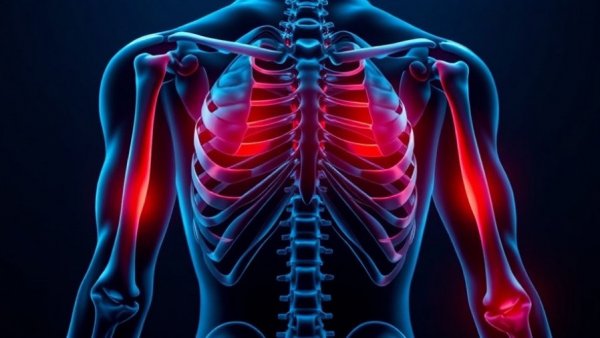
Millions rely on statins to manage cholesterol levels and ward off cardiovascular diseases. These medications work by inhibiting an enzyme that plays a central role in cholesterol production in the liver, which reduces the risk of heart attacks and strokes. Yet, a significant number of patients—between 7% and 29%—experience adverse reactions like muscle pain and weakness. These troubling side effects often lead to reduced dosages or even cessation of the treatment entirely, which can jeopardize heart health. The discontinuation of statins can have serious implications, especially for individuals with a higher risk of cardiovascular events.
The Hidden Mechanism: Immune Response Meets Muscle Metabolism
Recent research from McMaster University has shed light on why these muscle-related symptoms occur. The study reveals a connection between muscle metabolism and the immune system. Statins, although effective in lowering cholesterol, disturb the way muscle cells generate energy. This disruption prompts an immune response, damaging muscle tissue over time. In healthy individuals, muscle cells efficiently produce energy, but statins interfere with this process, leading to decreased physical performance, which can be especially problematic for active individuals and athletes.
By identifying this biological pathway responsible for muscle damage, researchers are optimistic about developing strategies to help patients tolerate statins better, ensuring continued cardiovascular benefits. Understanding these interactions is essential as it opens new avenues for research and potential therapeutic interventions that could protect muscle health while still leveraging the lifesaving properties of statins.
Exciting Prospects for Future Treatments
One of the breakthroughs of this research is the understanding that muscle pain is separate from statins' cholesterol-lowering actions. As Professor Jonathan Schertzer explains, this crucial distinction suggests that it's possible to create treatments that target muscle damage without compromising statins' heart-protective properties. Such advancements could make it easier for patients to adhere to their prescribed therapies, ultimately saving lives. The aim is to design drugs that can address muscle discomfort effectively, enhancing the quality of life for patients who rely on statins.
What This Means for Healthcare Practices
Fitness coaches, healthcare practitioners, and patients themselves should keep a close eye on these developments. If future medications can protect against these statin-related side effects, healthcare professionals may have to adjust their coaching strategies to help patients stay on track with their cholesterol management while maintaining an active lifestyle. This might involve incorporating personalized fitness programs that encourage strength training and flexibility exercises to mitigate any discomfort experienced by statin users.
Furthermore, healthcare practitioners can educate their patients about recognizing early symptoms of statin intolerance. This proactive approach can empower patients to seek timely adjustments to their treatment plans, potentially avoiding the pitfalls of stopping medication due to manageable side effects.
Practical Insights for Patients
Understanding the complexities of statins can empower patients to have informed discussions with their doctors about the medications they are taking. If muscle pain occurs, patients are encouraged to seek alternatives or adjustments in their treatment plans rather than prematurely stopping their statin usage. Open communication with healthcare providers is crucial; it enables patients to explore various options such as different statin formulations or potential supplemental treatments that might alleviate muscle discomfort.
Moreover, patients should also consider lifestyle factors, such as diet and exercise, which play a vital role in managing cholesterol levels. Engaging in regular physical activity can enhance overall muscle function and health, potentially counteracting some side effects associated with statin use. A well-rounded approach will likely lead to better outcomes and enhance the effectiveness of their treatment plans.
Conclusion: A Call for Awareness and Action
As the research unfolds, it remains vital for all stakeholders—patients, practitioners, and fitness coaches—to remain informed about statins and their effects. Advocating for research-backed treatments and communicating openly with healthcare professionals can foster a collaborative approach to cardiac health. Stay proactive and don’t hesitate to seek advice if you or someone you know is dealing with statin side effects. The potential developments in treatment strategies not only promise a brighter future for statin tolerability but also highlight the importance of patient education and patient-centered care.













Write A Comment