

Add Row
Add Element
Parallel Health World News Logo
update

Parallel Health World

cropper
update
Add Element
  • Home
  • Categories
    • EcoHealth Trends
    • Healing Naturally
    • Age-Defying Diets
    • Supplement Savvy
    • Mind-Body Synergy
    • Finance and Health
    • Biolimitless
    • Tech Hacks
    • Health & Medicine
    • Political
    • BioBuzz
    • Holistic Rehabilitation Techniques
    • Practitioner Insights
    • AI In Healthcare
  • Featured Business Profiles
June 18.2025
2 Minutes Read

Proposed GOP Medicaid Cuts Could Lead to Thousands of Preventable Deaths

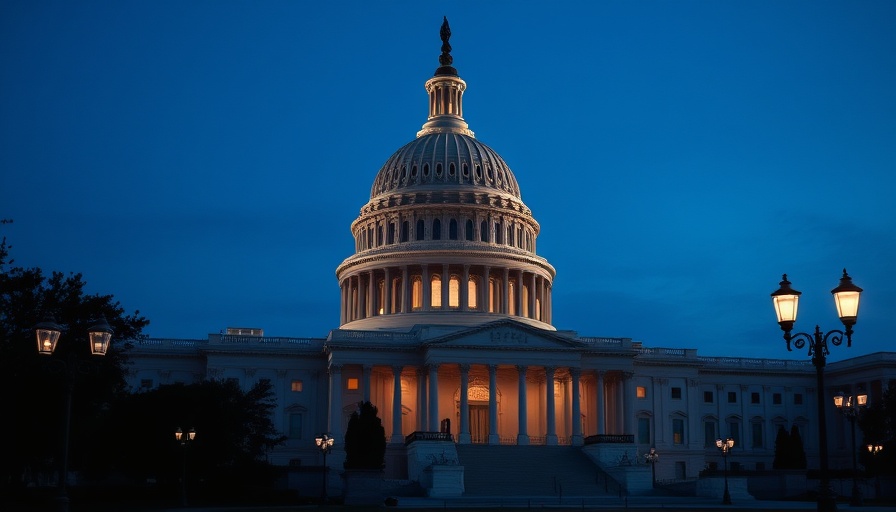
U.S. Capitol building during twilight representing GOP Medicaid cuts preventable deaths topic.

A Stark Warning: GOP Medicaid Cuts and Their Life-Threatening Consequences

As Congress debates new budgetary measures, a sobering study reveals the chilling impact that proposed GOP Medicaid cuts could have on American lives. According to research published in the Annals of Internal Medicine, these cuts might result in a staggering 8,000 to 25,000 preventable deaths annually. The findings underscore a growing concern among healthcare professionals regarding the ramifications of legislative changes on public health.

Understanding the Human Cost of Legislation

The sobering statistics extend beyond mortality rates; the proposed legislation could leave 7.6 million more Americans uninsured and disrupt access to medical care for nearly 2 million individuals. Dr. Adam Gaffney, a Harvard Medical School physician, stated that the cuts could lead many critical care facilities to close, drastically limiting their ability to serve vulnerable populations. The consequences of these policy changes spotlight the direct correlation between healthcare access and patient outcomes.

Future Predictions: Health in Jeopardy

The study's authors caution that these estimates may even be conservative. While the Senate has echoed the House's cuts, some proposals would extend work requirements for Medicaid recipients, further complicating the issue. Without mitigation of these proposed changes, an alarming future of heightened medical debt and preventive health care neglect looms on the horizon, leading to more serious health outcomes.

Making Informed Choices for a Healthier Future

For consumers committed to enhancing their quality of life, understanding these political dynamics is crucial. Staying informed allows individuals to advocate for healthcare policies that prioritize safety-net programs, essential for preventing preventable deaths. The potential loss of access to preventative care should motivate voters to engage in discussions about healthcare reform.

A Call to Action: Engage and Advocate

As the debate unfolds, persons advocating for health solutions should act. Engage with elected representatives, share stories of those affected by healthcare cuts, and push for comprehensive health solutions that prioritize well-being.

Finance and Health

20 Views

0 Comments

Write A Comment

*
*
Please complete the captcha to submit your comment.
Related Posts All Posts
04.21.2026

Physician Burnout Decline: Uneven Progress Across Specialties in 2025

Update The Decline of Physician Burnout: Hope on the Horizon Recent data from the American Medical Association (AMA) indicates a promising decline in physician burnout across the U.S. In 2025, 41.9% of physicians reported experiencing burnout symptoms, down from previous years, reflecting targeted efforts to address this pressing issue. This decline suggests that healthcare administrators are beginning to take effective measures to improve physician job satisfaction, offering a glimmer of hope in an industry that has long struggled with excessive workloads and chronic stress. Unequal Recovery: The Specialty Breakdown While the overall numbers may look encouraging, the statistics reveal a stark disparity among different medical specialties. Emergency medicine leads the way with nearly half (49.8%) of practitioners reporting burnout symptoms. This statistic highlights the urgent need for tailored interventions that specifically address the unique stresses encountered in high-pressure environments. In stark contrast, fields like dermatology and psychiatry exhibit burnout rates as low as 23% to 32%. These variations signal that not all specialties have benefited equally from the shifts in workplace culture, underscoring the necessity for a nuanced approach to physician well-being. Understanding the Root Causes According to a comprehensive survey conducted by The Physicians Foundation, the underlying factors contributing to burnout remain pervasive. Many physicians report feelings of anger and anxiety, with a staggering 57% acknowledging inappropriate emotions resulting from workplace stress this past year. The current healthcare environment—which includes increased administrative burdens and the digital documentation demands known as "click fatigue"—is contributing to dissatisfaction. Implementing technology-based solutions such as AI scribes could help alleviate some of the documentation pressures that physicians face, allowing them to focus on patient care rather than the mechanics of record-keeping. However, as healthcare teams integrate these innovations, it is crucial to remain aware of the potential pitfalls, such as inaccuracies and ethical concerns posed by AI. Addressing Burnout: A Collective Responsibility AMA President Dr. Bobby Mukkamala calls for strategic actions from health system leaders to craft plans tailored to the specific needs of different specialties. Recognizing that improving physician well-being is not a one-size-fits-all equation is key to making sustainable change. Engaging physicians in decision-making processes and fostering a supportive workplace culture are essential next steps. By focusing on specialty-specific strategies, we can better promote a healthier future for our healthcare providers.

04.21.2026

RFK Jr. Faces Budget Cuts: What This Means for Public Health

Update HHS Secretary RFK Jr. Faces Budget Cuts Amidst Controversy In a series of high-stakes congressional hearings, Health and Human Services (HHS) Secretary Robert F. Kennedy Jr. defended his tenure and the Trump administration’s controversial decision to propose a 12.5% cut to the agency’s budget for the fiscal year 2027. This proposed budget cut amounts to nearly $16 billion and has sparked significant debate among lawmakers, particularly concerning funding for the National Institutes of Health (NIH). The Pushback on Budget Cuts and Public Health Priorities During the hearing, Kennedy found himself under fire from Democratic lawmakers, who criticized the administration’s approach to healthcare amidst rising costs and previous cuts to essential services. These proposed cuts are seen as contradictory to Kennedy’s objective to improve public health and tackle chronic diseases. One key area of contention has been the expiration of enhanced financial assistance for health insurance plans under the Affordable Care Act, which has left many consumers facing significantly higher premiums. Many Republicans, however, praised Kennedy's initiatives such as revising nutrition guidelines and addressing fraud in government healthcare programs, suggesting that his administration's moves align with fiscal responsibility. Balancing Historical Context and Current Challenges The backdrop to this debate includes a significant restructuring within the HHS, which saw thousands of employees cut last year. Kennedy’s defense of the budget cuts highlights a need to stabilize the nation’s increasing debt while ensuring long-term sustainability in healthcare. Yet, concerns arise over the proposed $5 billion reduction in NIH funding, which some legislators argue could stymie vital biomedical research and innovations essential for public health advancements. As Kennedy noted during the hearings, "We’ve been asked to cut by 12% across my agency, and all of those cuts are painful. Nobody wants to do them," reflecting the difficult trade-offs policymakers face when negotiating budget reductions. This sentiment resonates with those following eco-conscious and holistic health trends, as funding cuts in health services may impact broader wellness initiatives and chronic disease management efforts. Future Predictions: The Path Ahead for HHS Looking forward, the tension surrounding the budget cuts could shape the future of public health initiatives in America. Advocates for sustainable healthcare often emphasize the importance of robust funding for programs that support chronic disease management and preventive care. As discussions continue about the fiscal health of the nation versus public health needs, it’s crucial for consumers and health advocates alike to stay informed about how these political maneuvers could directly impact their wellness resources. Ultimately, the Senate’s decisions in the upcoming months regarding the fiscal year 2027 budget will not only define HHS’s trajectory but will also determine the accessibility and quality of healthcare that millions of Americans receive. Stakeholders must pay close attention to which aspects of health funding are preserved or diminished. Time to Act: Engage With Health Advocacy For those invested in enhancing quality of life through holistic approaches, underlying the importance of advocacy in healthcare decisions is more crucial than ever. As significant changes unfold within the HHS and broader public health landscape, engaging with advocacy efforts can help amplify the voices calling for sustainable and inclusive health policies that prioritize both well-being and responsible governance.

04.22.2026

Essential Questions Payers Must Consider for Compliance with Medical AI

Update Understanding Medical AI: The Future of Healthcare? As the healthcare landscape evolves, medical AI is gaining traction, with around 85% of healthcare leaders believing it will significantly influence clinical decision-making within the next five years. However, concerns persist about compliance and oversight as its integration deepens, especially for payers navigating the regulatory complexities that accompany AI technology. Will Medical AI Comply With Rising Expectations? Recent trends indicate a structural shift in how medical AI is governed, with more than 250 AI-related measures proposed across U.S. states in 2025. This legislative activity highlights growing scrutiny regarding how AI influences diagnostic and treatment decisions. As compliance expectations rise, health plans are tasked with evaluating whether the AI systems used in member interactions meet new governance standards related to transparency, oversight, and accountability. The Need for Oversight in AI Integration Payers must critically assess how medical AI behaves in real member scenarios. Central to this evaluation are three principal questions: Is there physician oversight in AI systems? Are safety mechanisms integrated into AI operations? Does the AI platform adhere to established healthcare data standards? Healthcare organizations are legally bound to ensure their AI vendors maintain compliance standards. Ignorance regarding security gaps can result in severe penalties, with fines potentially reaching $1.5 million annually for HIPAA violations. Act Now: Proactive Strategies for Compliance With the onus on healthcare organizations to vet AI vendors rigorously, proactive steps including establishing strong Business Associate Agreements (BAAs) and detailed Service Level Agreements (SLAs) are essential. These agreements should clearly delineate data ownership, breach reporting timelines, and ongoing oversight responsibilities for AI performance. By requiring vendors to disclose subcontractors and adopt robust incident response measures, payers can protect patient data while minimizing legal risks. As the integration of AI into healthcare deepens, it’s crucial for payers and healthcare organizations to prioritize compliance and proactive oversight. Understanding the implications of AI technology and maintaining transparency within clinical workflows not only enhances patient trust but also safeguards organizations from legal complications.

Terms of Service

Privacy Policy

Core Modal Title

Sorry, no results found

You Might Find These Articles Interesting

T
Please Check Your Email
We Will Be Following Up Shortly
*
*
*




