

Reviving Vancomycin: A Scientific Breakthrough
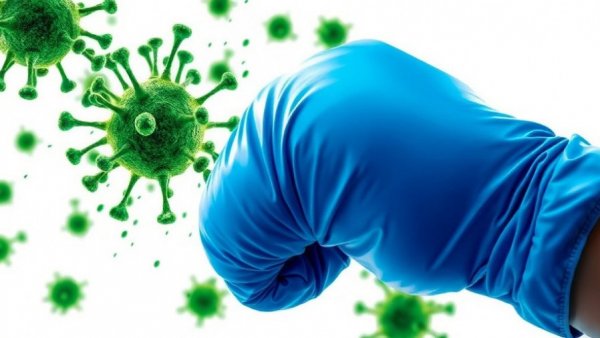
In a significant advancement for the fight against antibiotic resistance, scientists have discovered a method to revive vancomycin, a powerful antibiotic rendered less effective by resistant bacteria. Researchers at Cold Spring Harbor Laboratory (CSHL) found that by pairing vancomycin with a small molecule called pghi-4, they could block the bacterial defense that allows pathogens like drug-resistant E. faecium to withstand treatment. This breakthrough represents a pivotal moment in antibiotic research, suggesting that existing treatments may be salvageable, rather than entirely replaced.
The Growing Threat of Superbugs
As antibiotic resistance escalates, superbugs have emerged as one of the most pressing challenges in modern medicine. These bacteria can turn ordinary infections into life-threatening conditions, complicating not just everyday illnesses but also increasing the risks associated with surgeries and cancer therapies. According to the Centers for Disease Control and Prevention, antibiotic-resistant infections account for at least 2 million illnesses and 23,000 deaths annually in the U.S. alone. Traditional antibiotics can lose their potency, compelling researchers to explore innovative approaches to restore their effectiveness and ultimately safeguard public health.
How pghi-4 Works
The breakthrough lies in the function of pghi-4. It targets a bacterial enzyme called secreted antigen A (SagA), integral to the bacteria's resistance mechanisms. When pghi-4 is administered alongside vancomycin, it strips away that protective layer, allowing the antibiotic to reclaim its lethal capabilities. This revelation opens a doorway not only for vancomycin but potentially for numerous other antibiotics struggling against evolving bacterial defenses. Scientists are optimistic that similar combinations could be effective in tackling other resistant strains, which is crucial as the threat of superbugs becomes increasingly apparent.
A Broader Chemical Strategy for Antibiotics
The approach taken by the researchers emphasizes utilizing existing antibiotics rather than starting from scratch to develop entirely new drugs. This method, known as the antibiotic adjuvant strategy, aims to maximize the power of current medicines through chemical assistance. By providing access to a diverse library of over 150 compounds developed in the CSHL lab, the research team hopes to inspire other scientists to discover new solutions for various drug-resistant infections. The hope is that these findings can serve as a foundation for future drug development, preserving the efficacy of antibiotics that have been the backbone of modern medicine.
Collaboration for Transformation
The collaboration between CSHL and Scripps Research reflects the urgency and necessity of combining expertise across various research fields to combat the global health crisis of antibiotic resistance. As Professor John Moses from CSHL states, this discovery emerged not from a direct search for a new antibiotic but from fundamental chemical research that explores the intricacies of bacterial resistance. By merging resources and knowledge from different areas of science, they aim to stimulate new ideas and bolster innovation, which is essential in the race against superbugs.
Implications of Restoring Vancomycin
By reviving vancomycin's effectiveness, the implications extend beyond simply treating resistant E. faecium. The success of this research could lead to potential breakthroughs for hard-to-treat infections, including resistant forms of tuberculosis, a disease that remains a global health threat. The extended reach signifies a hopeful stride towards managing infections that modern medicine currently struggles to combat. This could alleviate the burden not only on healthcare facilities but also on patients who face limited options for treatment.
Conclusion: A Call for Collaborative Action
The fight against superbugs may be daunting, but insights gained through the revival of vancomycin offer a beacon of hope in the medical community. As researchers continue their work, fostering collaboration across disciplines will be vital in developing new strategies to overcome antibiotic resistance. The advancements in this space not only enrich the scientific understanding but also enhance patient care by reintroducing effective treatment options. It underscores the importance of sustained investment in research and the collaboration between academia and industry to ensure a healthier future. Taking proactive steps today will help mitigate the risks posed by resistant bacteria tomorrow.












Write A Comment