

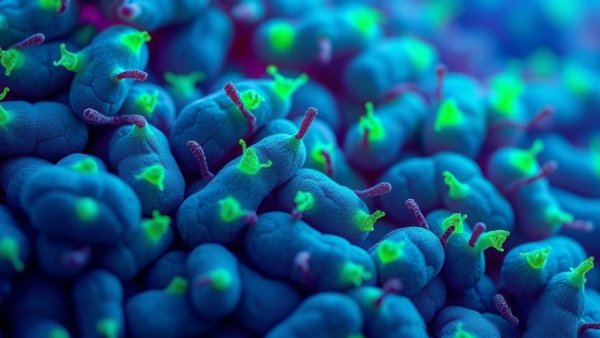
The Promise of Miniature Brains in Alzheimer's Treatment
Researchers at Johns Hopkins Medicine have unveiled groundbreaking insights from lab-grown mini brains, known as organoids, developed from patients' cells. This innovative approach reveals significant variations in how Alzheimer's-related tissue responds to treatments like selective serotonin reuptake inhibitors (SSRIs). As Alzheimer’s disease remains a pressing healthcare challenge, affecting over 7 million Americans, these findings could pave the way for more personalized and effective treatments that address the unique needs of each patient.
Understanding the Mechanism: Organoids and Their Insights
These organoids, which are tiny clusters of brain cells mimicking the structure and function of actual brain tissue, demonstrate how Alzheimer’s patients might respond to specific drugs. The study emphasizes the potential of organoids to serve as valuable tools for researchers, helping to identify biomarkers for Alzheimer’s disease progression and enabling more tailored therapeutic strategies. By examining how these organoids react to various medications, researchers can gain unprecedented insights into patient-specific responses, ultimately leading to better treatment plans.
Unlocking the Secrets of Extracellular Vesicles
In addition to studying the organoids, the research team found that these structures release extracellular vesicles—tiny particles that carry essential biological information. These vesicles could hold the key to discovering new diagnostic markers for Alzheimer’s, providing insights into the disease's state and progression. The ability to analyze these vesicles opens avenues for understanding patient variability in treatment responses, which is particularly important given the diverse ways in which Alzheimer’s can manifest across different individuals.
Advancements in Personalized Medicine
With the findings from Johns Hopkins, there's hope for a shift towards more precise management of Alzheimer's. As Vasiliki Machairaki, Ph.D., mentions, the organoids could help scientists further investigate the mechanisms of Alzheimer’s and how specific patient groups react to different treatments. This could revolutionize treatment plans from a one-size-fits-all approach to personalized care, increasing the efficacy of given medications. Imagine a future where specific treatments are tailored not just to the symptoms of the disease, but also to the individual genetic makeup of each patient.
Current Challenges and Future Opportunities
Despite these advancements, there is still no cure for Alzheimer’s, and treatments currently available primarily manage symptoms rather than address underlying causes. However, the research underscores the significance of understanding individual patient biology, which could enhance the development of treatments that are not only effective but come with fewer side effects. As researchers work towards unraveling the complexities of Alzheimer’s disease, the hope is that they will also uncover novel therapeutic targets that can lead to groundbreaking treatments.
Investigating Broader Implications
As tech professionals and healthcare practitioners ponder these developments, the larger implication ties into the integration of biotechnology in patient care. With the rise of personalized medicine, the ability to utilize such organoids can influence future therapeutic courses, leading to better health outcomes through targeted interventions. This intersection of technology and medicine may serve as a model for future innovations in treating other complex diseases, enabling a more nuanced understanding of individual patient needs.
Actionable Insights Moving Forward
For healthcare practitioners, these findings stress the importance of considering patient-specific responses to medications and recognizing the potential for organoid technology in clinical settings. This can lead to improved patient engagement and personalized treatment schemes that consider each patient's unique biological landscape. Meanwhile, tech professionals can explore how to further develop this biotechnology for enhanced patient care solutions, such as creating user-friendly platforms that facilitate organoid research.
Staying informed on advancements within both the health and tech sectors is crucial as we seek better answers for Alzheimer’s. The exploration of lab-grown brains offers both a glimpse into the future of personalized medicine and practical avenues for improving patient outcomes. As research continues to evolve, professionals in both areas must collaborate to ensure that these findings translate into real-world applications that can significantly reduce the burden of Alzheimer’s disease on patients and their families, ultimately leading to a brighter outlook for those affected.












Write A Comment