

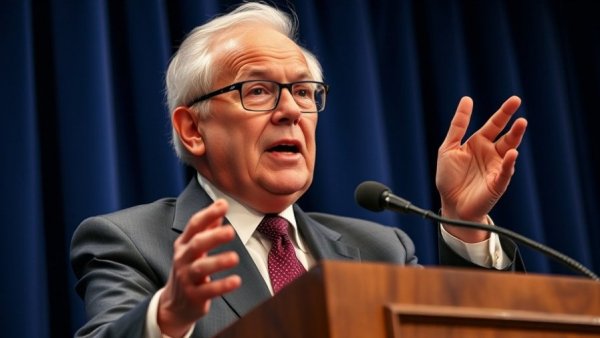
Democratic Leaders Call for Greater Transparency in Rural Health Funding
In a fervent response to delays in the annual disbursement of rural health funds, eighteen Congressional Democrats, led by Illinois Rep. Nikki Budzinski, are advocating for transparency and accountability from the Centers for Medicare & Medicaid Services (CMS) Administrator Mehmet Oz. An alarming nine-day delay in the announcement of allocations from a $50 billion federal fund designed to bolster rural health services has raised eyebrows, prompting calls from lawmakers who believe that rural healthcare systems are facing acute challenges that can no longer be overlooked.
The Importance of Timely Funding for Rural Healthcare
The urgency of reliable funding is underscored by the repercussions of any reductions, as illustrated by Budzinski’s assertion that Illinois received $3 million less this year compared to the prior fiscal year. These cuts aren’t just numbers; they translate into real consequences for local healthcare entities already grappling with operational deficits. For many states, delays in funding announcements disrupt planning processes, making it challenging to develop a coherent response to the financial landscape of healthcare amidst broader federal cuts.
Breaking Down the Discrepancies: Year Two Award Changes
The second-year distributions from the CMS were supposed to be announced by October 31, but a last-minute letter revealed that additional administrative hoops were discovered just days prior. As a result, allocations were delayed to November 9, creating a ripple effect across states that depend on these funds. While most awards saw minimal changes—less than 2%—some states, such as Alabama and Colorado, reported significant shortfalls in funding—worsening the budgetary strain at rural healthcare facilities.
Concerns Over Allocation Integrity and Future Trends
Democratic lawmakers are particularly concerned about ensuring that funds do not disproportionately end up in the hands of consulting firms rather than directly aiding rural healthcare providers. This scenario has sparked debate over the implementation practices of the Rural Health Transformation Program, previously enacted as a part of a larger budget strategy that also included substantial cuts to Medicaid, which rural residents rely on heavily.
What the Future Holds for Rural Health
Experts predict that if transparency isn't prioritized and funding allocation remains erratic, the already fragile rural health system may face further jeopardy. With the impending challenges brought on by potential budget constraints and increasing operational demands, it is vital for Congress and CMS alike to reevaluate strategies for ensuring that all communities have equitable access to healthcare. The very foundation of rural health policies must be fortified to withstand economic fluctuations and effectively serve populations that are often underrepresented in healthcare discourse.
Calls for Action: Bridging the Gap in Rural Healthcare
As the landscape of healthcare continues to evolve, the need for sustainable funding models that prioritize the health of rural communities cannot be overstated. Lawmakers have taken a critical step by demanding answers from CMS, aiming to secure the future of healthcare in rural America. Their call to action emphasizes that long-term investments are essential for rebuilding trust and ensuring that every American, irrespective of geographic location, has access to quality health services.
Conclusion: The Importance of Vigilance and Advocacy
The call for enhanced transparency and actualized funding mechanisms in rural health is not just a political maneuver; it’s a crucial aspect of safeguarding the health of individuals who live in underserved areas. Engaging with the challenging dialogue surrounding these funds encourages proactive measures that could eventually help mitigate further crises. Advocating for thorough oversight and demanding accountability is imperative as we navigate the complexities of health funding in the 21st century.













Write A Comment