

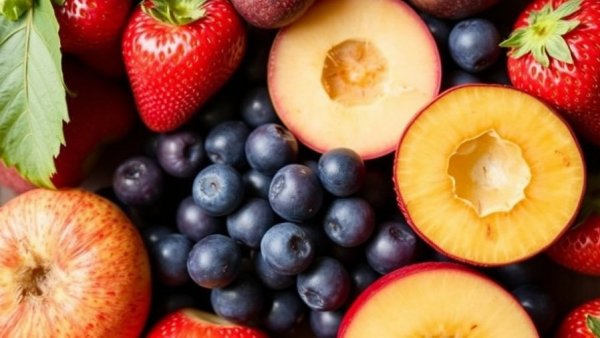
Unveiling the Heart: The Fruit Connection
Ever wondered how your fruit consumption impacts your heart health? A recent study involving over 371,000 adults shines a spotlight on this crucial connection, revealing that whole fruit intake is significantly associated with cardiovascular health, and it appears that many may be missing out on this vital health indicator.
The Study in Focus: Methodology and Findings
Researchers surveyed a large and diverse cohort of U.S. adults to explore fruit eating habits concerning various cardiovascular disease (CVD) risk factors. This analysis utilized data collected in 2019, where participants self-reported their whole fruit and 100% fruit juice consumption and disclosed any prior cardiovascular diagnoses.
What did they find? Adults grappling with heart conditions, like high blood pressure and high cholesterol, reported lower whole fruit consumption than their healthier counterparts. Even accounting for disparities in age, education, and smoking status, these findings lingered—underscoring the importance of whole fruit in heart health.
Why Fiber Matters: Whole Fruit vs. Juice
The primary distinction between whole fruits and fruit juices? Fiber, an essential nutrient that is largely stripped away during the juicing process. For instance, one cup of orange juice contains a meager 0.5 grams of fiber, while the same amount of orange segments provides a hearty 3.6 grams. The link between fiber and lower cardiovascular disease risk isn’t just coincidental; fiber has proven benefits, such as aiding digestion and reducing cholesterol levels. Unfortunately, most Americans fail to meet their recommended fiber intake, potentially impacting heart health in a significant way.
Habit Formation: Bringing Whole Fruits Into Your Routine
Integrating whole fruits into daily meals doesn’t have to be complex. For busy individuals and families alike, storing fruits in sight and easy reach can encourage healthier choices. From apples to bananas, simple snacks can better support cardiovascular health than relying on fruit juices. While juice can be enjoyed occasionally, there’s no substitute for the fiber and nutrients that come with whole fruits.
The Bigger Picture: A Holistic View on Nutrition
The results of this study align strongly with broader health trends emphasizing the need for whole, nutrient-dense foods over processed options. As health enthusiasts, it's crucial to adopt a holistic approach to nutrition by focusing on whole foods, understanding their role in disease prevention, and fostering informed dietary habits.
This research is part of a growing body of evidence advocating for a shift in dietary practices, highlighting how small adjustments can lead to significant health improvements.
Conclusion: Take Charge of Your Heart Health
In the journey toward better health, understanding the relationship between fruit consumption and heart health is key. By prioritizing whole fruits in your diet, you can enhance your fiber intake and contribute to your overall cardiovascular wellbeing. Start incorporating these delicious, nutrient-packed fruits into your meals today for a heart-healthy tomorrow!













Write A Comment