

Perfecting Your Technique: A Closer Look at Machine Lateral Raises
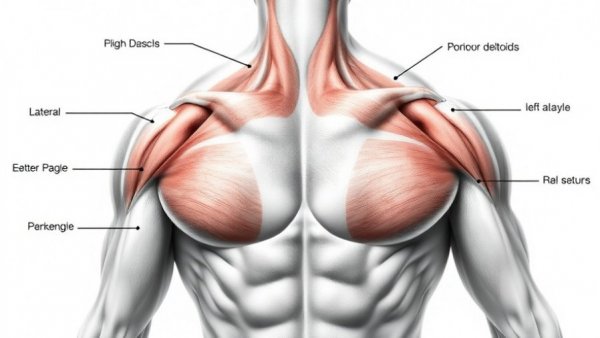
The machine lateral raise is widely recognized as an effective exercise for isolating and strengthening the lateral deltoids, or side delts. For those unfamiliar, this movement effectively targets the muscles responsible for shoulder abduction, which is crucial for overall shoulder strength and aesthetics. Yet, merely knowing about the machine isn’t enough; mastering the technique is essential for maximizing its benefits.
Understanding the Mechanics: How to Perform the Machine Lateral Raise
To start, adjust the seat and arm pads so that they rest just above your elbows when your arms hang by your sides. Positioning is key: scoot your butt back slightly, shifting your upper arms about 10-15 degrees in front of your torso. From this aligned start, push your arms upward in a smooth arc until your upper arms parallel the floor, holding momentarily before lowering back down. This method ensures that you maintain tension on your deltoids throughout each rep.
Expert tips recommend focusing on lifting with your elbows rather than your hands, which allows for greater isolation of the lateral deltoids and helps avoid strain in the traps. Keeping the torso stable is equally important; unintended upper body movement can significantly reduce the exercise’s effectiveness.
Workout Integration: The Best Programming Approaches
The machine lateral raise should ideally be incorporated into your workout routine either towards the end of a shoulder session or earlier on if your goal is to prioritize shoulder development. A typical recommendation includes 3 sets of 8–10 repetitions at a weight that allows for controlled movements without compromising form.
As you grow stronger, progressing by pushing sets closer to failure (the point at which proper form can no longer be maintained) can stimulate further muscle growth. Resting for 2-3 minutes between sets allows your muscles adequate recovery time during intense training.
The Allure of Machines: Weighing Versatility Against Accessibility
One of the key benefits of the machine lateral raise lies in its simplicity; unlike free weights that require more stabilization and technique, the machine’s design promotes proper form and reduces the risk of injury. This focused direction minimizes unnecessary muscle activation, enabling users to concentrate on the exercise at hand.
However, it's crucial to note that not all gyms are equipped with lateral raise machines, and some machines might limit your ability to adjust positioning perfectly. On top of that, certain models might impose less flexibility when it comes to load increments. This means a user must be prepared to adapt their training regimen accordingly. Alternatives such as cable lateral raises or dumbbell lateral raises can provide similar benefits, given they are performed correctly.
Explore Your Options: Effective Alternatives to the Machine Lateral Raise
Should the machine not be accessible, consider swapping in the cable lateral raise, known for maintaining continual tension on the deltoids through the entire range of motion, albeit requiring one arm at a time. The dumbbell lateral raise offers similar movement with the freedom of managing weights individually, thus pushing your stabilizing muscles to work harder. Lastly, the EZ-Bar upright row serves as a compound alternative, engaging multiple muscles, although it doesn't isolate the deltoids as effectively.
The Bigger Picture: Implications for Strength Training
The machine lateral raise, along with its alternatives, plays a critical role in shoulder training and overall upper body strength. When integrated correctly into workout routines, these exercises not only enhance musculature but also contribute to improved functional performance. Understanding the various options available allows for flexibility in training goals, whether looking to build mass, achieve aesthetic goals, or improve athletic performance.
Your Path to Stronger Deltoids: Key Takeaways
As you embark on strengthening your shoulders, remember that form and consistency are paramount. Whether you opt for machine-assisted movements or their free-weight counterparts, prioritize the quality of each rep. This dedication will undoubtedly lead to improved shoulder definition and strength over time. Remember, progressive overload is vital—continue pushing your limits while adhering to sound form.
Incorporating a mix of isolation exercises can provide a comprehensive approach to shoulder training, catering to both endurance and hypertrophy goals. Equip yourself with the right knowledge, choose your exercises wisely, and witness the evolution of your fitness journey.












Write A Comment