

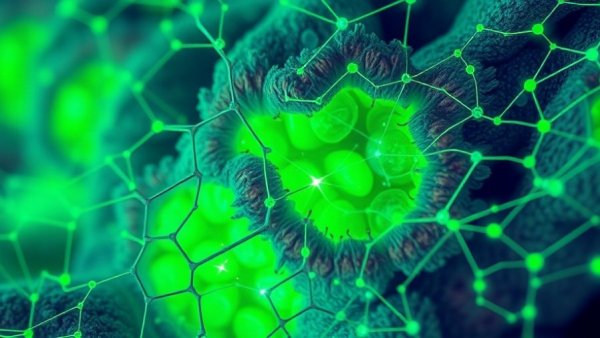
Transforming Plant Cell Culture with AI Innovations
In a move that highlights the intersection of technology and agriculture, BioHarvest Sciences Inc. has officially received a grant of $1.4 million from the Israel Innovation Authority (IIA) to advance AI-driven plant-cell synthesis. This exciting development not only promises to revolutionize the way plant compounds are cultivated but also brings a new dimension of efficiency to the biotechnology landscape.
Understanding the Technology Behind the Grant
BioHarvest is pioneering a unique approach that utilizes advanced data science and artificial intelligence. Traditionally, developing plant-based compounds involved laborious empirical trial-and-error methods. However, this grant will support BioHarvest's initiative to leverage machine learning and bioinformatics, making the process more predictable and efficient. By establishing a systematic and data-driven optimization framework, researchers aim to identify optimal pathways for plant cell propagation while significantly increasing the yields of active metabolites.
Why Does This Matter to Our Community?
The implications of BioHarvest's research extend far beyond the laboratory. As communities increasingly look towards sustainable and plant-based solutions, innovations in plant cell synthesis could lead to the development of new health products and supplements that are crucial for wellness. During a time when natural health solutions are gaining traction, this research can resonate with consumers seeking eco-friendly alternatives that promote overall well-being.
Parallel Examples of Innovation in Biotechnology
BioHarvest isn’t the only company making waves in biotechnology. For example, companies like Ginkgo Bioworks utilize similar biotechnology platforms to program cells for various applications—from fragrances to food production. These advancements show a growing trend of integrating AI with biology, suggesting that we are on the cusp of a new era in synthetic biology that could reshape multiple industries.
The Future of Plant-Based Compounds: Predictions and Opportunities
Looking ahead, the grant from the IIA marks a significant step towards a transformative future. As the capability to predict plant compound synthesis becomes feasible, there could be an upsurge in the development of specialized plant-based medicines tailored to meet the demands of modern healthcare. This could lead to more innovative treatments, enhancing health outcomes while aligning with sustainability principles.
Encouraging Economic Growth Through Innovation
With the support of government initiatives like those provided by the IIA, BioHarvest aims to enhance its production facilities through industrial automation and AI. The potential for scaling operations and integrating high-throughput technology not only strengthens their position in the biopharmaceutical market but also contributes positively to the local economy by creating jobs and fostering further innovation.
Community Engagement and Investment
For those who care passionately about health and sustainability, this venture provides an opportunity to engage with a local company at the forefront of innovation. Understanding the impacts of such research can inspire individuals to advocate for and invest in biotechnological advancements that enhance community health and encourage environmentally friendly practices.
In conclusion, the $1.4 million grant awarded to BioHarvest not only signifies a crucial financial stepping stone for the company but also represents a broader commitment to fostering innovation in botanical synthesis. As this project progresses, we can expect exciting developments that will enhance our health and well-being through sustainable plant-based solutions.












Write A Comment