

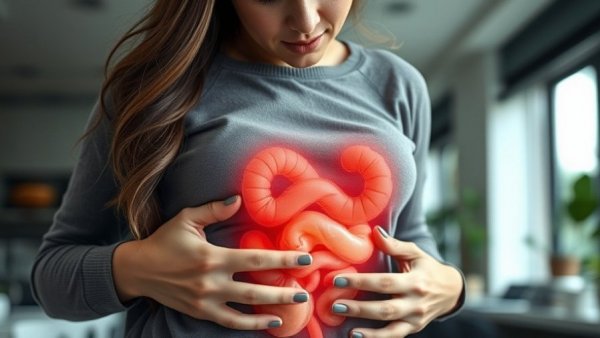
Understanding the Role of Ferulic Acid in Gastrointestinal Health
Recent research from Toho University has unveiled promising findings about a natural compound in rice bran known as ferulic acid (FA). This polyphenol is gaining attention for its potential to calm an overactive gut, particularly among individuals suffering from digestive disorders like irritable bowel syndrome (IBS) and inflammatory bowel disease (IBD). The study led by Dr. Keisuke Obara and his team explored how FA interacts with intestinal muscle contractions, discovering that it can reduce excess contractions by blocking voltage-dependent calcium channels.
A Breakthrough Discovery in Gut Regulation
Ferulic acid’s ability to decrease intestinal contractions could open new avenues for dietary approaches tailored to manage disorders characterized by excessive bowel movement. The team's experimentation showed that FA significantly suppressed contractions induced by various chemical messengers, including serotonin and acetylcholine. Interestingly, this effect was concentration-dependent, suggesting that higher doses of FA yield more substantial results.
Benefits for Diarrhea-Predominant Disorders
For those experiencing diarrhea-predominant IBD, the discovery of FA's effects could be life-changing. By acting as a natural regulator of intestinal motility, FA may prevent excessive smooth muscle activity, providing relief to many sufferers. This was highlighted in the study’s results, which showed automatic normalization of contractions once the compound was removed. However, while it appears effective for certain conditions, the same mechanism may exacerbate symptoms for others, particularly those with constipation-predominant IBS.
The Complexity of Gut Function
Understanding gut function is crucial, especially when considering the varying needs of individuals suffering from IBS and related disorders. The findings from this research imply that a one-size-fits-all solution may not work. Instead, healthcare practitioners must weigh the benefits versus the potential risks of introducing ferulic acid into treatment plans. As highlighted in previous research, while FA shows promise, specific patient profiles may experience adverse outcomes when intestinal motility slows excessively.
Implications for Dietary Approaches
The integration of ferulic acid into dietary regimens may provide a new strategy to manage gastrointestinal health effectively, but further human studies are necessary to determine the viability of such approaches. Top research indicates that the levels of FA achieving therapeutic effects in the lab exceed what typical dietary intake can reach. Nevertheless, it's likely that consumption of rice bran and whole grains could elevate levels within the intestines, following food intake or supplementation.
Looking Ahead: Future Research Directions
As researchers continue exploring the potential applications of ferulic acid, their findings could reshape how dietary supplements are developed for gut health. With its antioxidant and potential neuroprotective properties, there’s considerable interest in how FA could benefit overall well-being beyond just digestive functionalities. As the scientific community progresses, it remains critical for consumers and healthcare providers alike to stay informed about these advancements.
Call to Action
If you’re a healthcare practitioner or someone looking to enhance your dietary strategy for better gut health, consider incorporating rice bran-rich foods into your meals or investigating the benefits of ferulic acid supplements. As research unfolds, these dietary modifications may offer valuable solutions to managing gastrointestinal symptoms effectively.













Write A Comment