

Healthcare Access in a Nation of Abundance
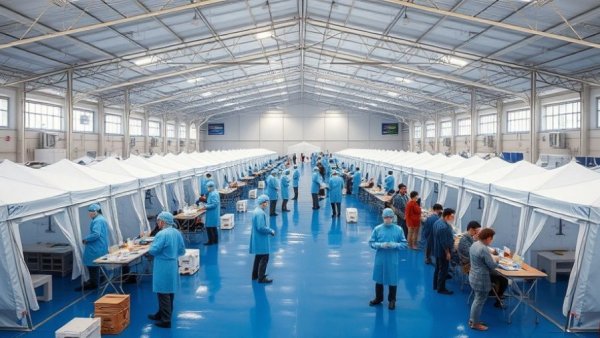
In an echo of urgency, recent scenes outside Takoma Academy foreshadow an unsettling reality—thousands are seeking healthcare that should be accessible for all. The free clinic organized by Remote Area Medical served as a stark reminder that even in the suburb of Washington D.C. where the median income is pushing $108,000, many still feel the burden of healthcare costs. The overwhelming turnout emphasized the dissonance between having health insurance and being able to afford actual care.
Societal Impacts of Healthcare Inaccessibility
The sight of nearly 80 cars lined up overnight reflects a growing issue in healthcare accessibility that goes beyond income statistics. Many individuals, like Kenys Bautista, who were forced to forgo necessary treatments due to financial constraints, paint a human picture of the statistics. With out-of-pocket costs rising and many insurance plans failing to cover essential services, it's clear that health equity is a pressing societal issue that merits immediate attention.
Lessons from Takoma Park: The Need for a Paradigm Shift
The Takoma Park clinic serves as a case study for how healthcare delivery must evolve. While Remote Area Medical traditionally targeted rural areas struggling with care access, their recent urban expansions highlight a shift towards understanding that healthcare is not merely about insurance coverage—it's also about actual service delivery. This event not only brought care to those in desperate need but also set the stage for conversations about policies that can bridge the gap between coverage and care.
Future Trends in Health Care Access
As we look ahead to what the future holds for accessible healthcare, the trends suggest a necessity for innovation. Utilities like telehealth have started to pave the way, allowing patients to consult healthcare professionals without the burden of transportation and long wait times. This transformative approach could be a lifeline for many, especially in underserved urban and suburban communities. Yet, as seen at the clinic, technological advancements alone may not suffice; a comprehensive policy shift towards universal care is what is truly needed.
The Call for Empowerment and Change
Healthcare activists and community leaders now have an added responsibility to engage patients—not just before they seek care, but throughout the process. Whether through educational workshops about navigating insurance, collective advocacy for policy changes, or simply increasing awareness, grassroots efforts can empower individuals to challenge a system that often overlooks them. By embracing technology and communal strength, we can inspire a movement towards a more equitable healthcare future.
Recognizing the Human Side of Health Care
In the hustle and anxiety of these individuals waiting for care, we see more than statistics; we see real stories and lives on hold. Each story of patience and resilience, like that of Alma Walton, calls us not just to observe, but to act. For many, accessing healthcare isn’t just a physical journey but an emotional one, fraught with fear and hope for better health and wellness. The community's mobilization serves as a powerful reminder of the strength found in unity, as individuals leaned on one another for encouragement and support.
Act Now for Change in Healthcare
The Takoma clinic experience is a potent reminder that the fight for healthcare is far from over. Advocates and tech-savvy health enthusiasts alike must come together to push for initiatives that promote equitable healthcare access. It's time to challenge systemic barriers and push for transformative changes that reflect not only the financial aspects of health but the very human stories behind them.












Write A Comment