

Parallel Health World News Logo
update

Parallel Health World

cropper
update
  • Home
  • Categories
    • EcoHealth Trends
    • Healing Naturally
    • Age-Defying Diets
    • Supplement Savvy
    • Mind-Body Synergy
    • Finance and Health
    • Biolimitless
    • Tech Hacks
    • Health & Medicine
    • Political
    • BioBuzz
    • Holistic Rehabilitation Techniques
    • Practitioner Insights
    • AI In Healthcare
  • Featured Business Profiles
February 17.2025
2 Minutes Read

Why Renewable Energy Is a More Cost-Efficient Climate Solution Than Carbon Capture

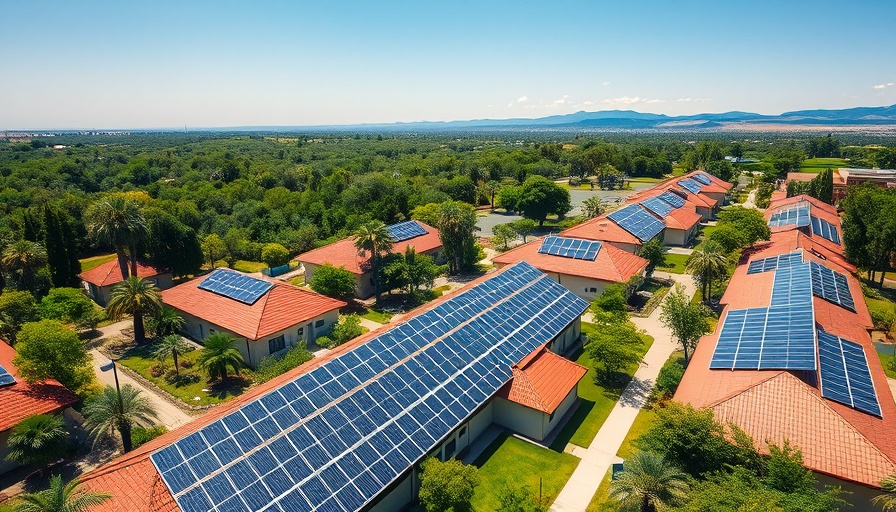
Aerial view of a campus with solar panels, vibrant greenery.

The Smart Choice: Renewables Over Carbon Capture

In the ongoing battle against climate change, recent research unveils a compelling argument: investing in renewables such as solar, wind, and hydropower presents a more efficient and cost-effective solution than carbon capture technology. As revealed in a study reported in the journal *Environmental Science and Technology*, the findings challenge the growing reliance on carbon capture and storage (CCS) as a viable climate strategy.

Conducted across 149 countries, the study presents two contrasting scenarios through to 2050: one focusing entirely on renewable energy sources (wind-water-solar or WWS) and the other mixing these with CCS technologies while still relying on fossil fuels. The results speak for themselves: the renewable scenario could reduce energy demands by 54.4%, lower energy costs by nearly 60%, and slash social costs by an astonishing 91.8%. Conversely, the carbon capture approach could lead to social costs ballooning to $60-80 trillion annually.

Understanding the Cost-Effectiveness

Lead author Mark Jacobson points out, "If you spend $1 on carbon capture instead of on wind, water, and solar, you are increasing CO2, air pollution, energy requirements, energy costs, and total social costs." In essence, opting for carbon capture effectively perpetuates the very issues it aims to mitigate. In stark contrast, the transition to renewable energy not only eliminates greenhouse gas emissions but also significantly reduces pollution, leading to enhanced public health outcomes.

The Broader Economic and Environmental Impact

Echoing earlier studies, including one from *Nature Energy*, the consensus is clear: renewable energy technologies provide a superior energy return on investment compared to fossil fuels combined with CCS. By focusing investments on solar and wind infrastructures, countries can not only meet their climate goals but offer substantial economic benefits. With over 40 large-scale carbon capture projects currently in development globally, the time has come to reassess their role within the energy ecosystem.

Experts argue that carbon capture strategies should be viewed as a supplementary, niche solution rather than a foundational element of climate policy. As we move further into an era requiring swift action against climate change, the case for renewables strengthens, urging both policy-makers and investors to align with cleaner, more sustainable energy sources.

Moving Forward: Policy Implications

With governments and corporations making significant investment decisions, the focus should not solely be on cutting-edge technologies like CCS, which often divert valuable resources away from more promising renewable initiatives. Envisioning a future powered by sustainable energy could very well mean re-evaluating our current investment strategies and policy frameworks, all while paving the way for a healthier planet.

As we reflect on these findings, they not only provide a roadmap for a more sustainable future but also emphasize the direct connection between our energy choices and public health. By embracing renewables, we may simultaneously protect the environment and enhance the wellness of communities worldwide.

EcoHealth Trends

11 Views

0 Comments

Write A Comment

*
*
Please complete the captcha to submit your comment.
Related Posts All Posts
05.18.2026

Discover How Tate & Lyle's Innovation with BioHarvest is Transforming Plant-Based Sweeteners

Update Innovative Partnership: Tate & Lyle and BioHarvest Science In a landmark collaboration, Tate & Lyle PLC and BioHarvest Sciences are joining forces to drive forward the next generation of plant-based sweeteners through advanced botanical synthesis technology. Tate & Lyle, a leader in ingredient solutions, is known for its commitment to creating healthier and tastier options in the food and beverage industry. BioHarvest, on the other hand, specializes in biotechnology and has developed a proprietary platform for synthesizing plant-derived ingredients without the need to cultivate the plants traditionally. This innovative approach not only enhances efficiency but reduces the environmental footprint associated with agricultural practices. Addressing Consumer Demands The collaboration focuses on developing sweeteners that mimic the taste of sugar without the aftertaste and health risks often linked to traditional sugar consumption. As consumer trends increasingly lean towards healthier food options, the importance of creating sustainable and affordable plant-based ingredients cannot be overstated. The sweeteners produced through this partnership will cater to health-conscious consumers, responding to the rising demand for nutritious products without compromising taste. Groundbreaking Botanical Synthesis The Botanical Synthesis platform utilized by BioHarvest stands at the forefront of this advancement. This technology allows for the production of non-GMO plant-based ingredients through a process that grows targeted plant cell cultures. These cultures can replicate and amplify the beneficial phytonutrients found in specific plants, creating a more sustainable, scalable means of ingredient production. “With this partnership, we aspire to significantly improve human wellness by making our plant-derived molecules available to millions,” stated Ilan Sobel, CEO of BioHarvest Sciences. The implications for both companies and their respective markets are substantial, highlighting how scientific innovation can meet consumer needs. Environmental Benefits and Market Potential Besides enhancing health benefits, this partnership aims to lessen the ecological impact of ingredient production. Traditional agriculture requires extensive land and water resources; however, the technologies pioneered by BioHarvest promise to utilize only a fraction of these resources while producing a comparable or superior product. This aligns with both companies’ missions to promote sustainability within the food and beverage sectors. “This partnership represents a significant milestone in the industry, combining our sweetener expertise with BioHarvest's innovative capabilities. It opens up pathways not only for sweeteners but potentially for other health-related product innovations,” expressed Victoria Spadaro-Grant, Tate & Lyle's Chief Science and Innovation Officer. The Future of Sweeteners: A Remarkable Journey Ahead The journey of creating next-generation sweeteners is only the beginning. As part of Tate & Lyle’s open innovation program, this collaboration will pave the way for further exploration into plant-derived molecules, potentially revolutionizing how sweeteners are produced and perceived. Furthermore, Tate & Lyle's wealth of experience in nutrition and regulatory matters, combined with BioHarvest’s pioneering technology, ensures that the products developed will not only satisfy consumer cravings but do so sustainably and healthfully. Industry experts believe that the implications of this partnership could set a new standard in how ingredients are sourced and utilized in the future, thus impacting everything from nutrition labels to consumer choices on shelves. The commitment to providing healthier food alternatives through innovative science marks a significant shift in the food industry, positioning both Tate & Lyle and BioHarvest Sciences at the forefront of ingredient innovation.

05.12.2026

Steven R. Miller, Sr. Joins TERSIS Technologies to Drive Global Sustainability Efforts

Update Strengthening Global Leadership at TERSIS Technologies In an exciting development for the renewable energy and sustainability sector, TERSIS Technologies has appointed Steven R. Miller, Sr. as their Senior Advisor for Global Business Development and Strategic Partnerships. With his extensive experience as a growth strategist and international business executive, Miller is poised to play a critical role in the company's strategic expansion initiatives. The Vision Behind TERSIS Technologies BERS Technologies focuses on converting waste streams into valuable resources, aiming to create a more sustainable and circular economy. This aligns with growing global paradigms advocating for environmental conservation and resource optimization. Miller’s involvement is expected to enhance TERSIS’s efforts in joining the forefront of innovations that redefine waste management and renewable energy generation. A Trailblazer in International Market Development Steven R. Miller, Sr., the acclaimed CEO of Miller & Sons Holdings, My Seven, and Good Nation, brings a wealth of experience across various sectors including aerospace, agriculture, and emerging technologies. His impressive career highlights his capability to revitalize brands and forge invaluable relationships with Fortune 500 companies, making him an asset in TERSIS’s mission. Anticipated benefits from his strategic guidance in partnerships and capital relations are significant as TERSIS expands within highly competitive markets. What This Means for Renewable Energy and Circular Economies Under Miller's leadership, TERSIS aims to not only grow its operational footprint but also advocate for initiatives that support carbon reduction technologies and sustainable infrastructure development. The urgency for such initiatives has seen noticeable shifts in market demand as industries globally embrace sustainability measures as part of their corporate social responsibility. Miller’s Diverse Expertise: A Strategic Advantage Miller's holistic experience spans mergers and acquisitions, partnerships, and product development, fostering a comprehensive understanding of implementing scalable strategies. His proven track record in various industries allows him to operate seamlessly across cultural and economic landscapes, an essential skill for TERSIS as it penetrates new global markets. Insights from Leadership: A Commitment to Sustainability Antonio Uccello, CEO of TERSIS Technologies, articulated confidence in Miller’s ability to deliver value as the company progresses towards ambitious growth targets. The partnership signifies a robust commitment to embedding sustainability within its core functionalities, potentially shaping future practices in the renewable energy sector. Looking Forward: The Future of TERSIS Technologies As TERSIS Technologies moves ahead, the vision to build a platform rooted in regenerative innovations is expected to resonate well within the industry. Miller’s excitement about joining the team at this pivotal stage underscores a mutual recognition of industry trajectories linking sustainability and business growth models. Call to Action: Embracing Sustainability in Business Strategies As businesses and consumers alike shift towards more sustainable practices, it is crucial for stakeholders to stay informed about emerging technologies and opportunities within this space. TERSIS Technologies represents a prime example of how organizations can implement innovative strategies to meet both business goals and environmental responsibilities. Following such developments can provide valuable insights and assist in adapting successful practices for future growth.

05.06.2026

Michael W. Stogner Joins Tersis Technologies to Transform Energy Deployment with SynGenic V3

Update Powering the Future: Tersis Technologies' Strategic Move Tersis Technologies, a frontrunner in sustainable energy solutions, has made a significant leap forward with the appointment of Michael W. Stogner as Strategic Advisor. His expertise is set to enhance the deployment of the SynGenic V3 platform, a groundbreaking initiative aimed at converting waste streams into clean energy. As the world increasingly leans toward sustainable practices, the implications of this transformation cannot be overstated. Why Stogner's Experience Matters Michael Stogner comes with a rich history in the energy sector, notably as the co-founder of Mainstay Fuel Technologies, where he successfully navigated the commercialization of compressed natural gas systems. His focus on integrating cost structures and operational performance is exactly what Tersis needs as it moves toward commercial deployment. The combined knowledge of both technology and market dynamics positions Stogner as a crucial figure in advancing Tersis’ objectives. The Significance of the SynGenic V3 Platform The SynGenic V3 platform is not merely an innovation in waste conversion; it represents a shift toward a circular economy. It is engineered to produce up to 4 megawatts of energy per unit, depending on input material, thus tailoring its output to specific environmental conditions. This adaptability is intended to maximize both economic and environmental benefits, which are integral in today’s energy landscape. With a focus on feedstock strategy and infrastructure, Tersis is laying the groundwork for a scalable solution that could transform how industries approach energy consumption. Future Impact on Clean Energy As Tersis gears up for the deployment of the SynGenic V3 platform, the future appears promising. The ability to turn waste into energy is not just a technological advancement but a fundamental shift in energy sourcing. The multi-revenue model, which includes generating power and carbon products, signifies a move toward profitability while maintaining environmental integrity. Investors and stakeholders are likely to watch how this model performs in a real-world setting, potentially influencing further funding and support for similar innovative technologies. Challenges Ahead: Ensuring Success Despite the excitement surrounding this initiative, Tersis must navigate several challenges. As highlighted by Stogner, the alignment of fuel supply and economic structures is critical. Energy systems fail when these elements are mismanaged. Therefore, Tersis needs a disciplined execution strategy to ensure that the SynGenic V3 platform delivers on its promises under operational conditions. This also involves carefully monitoring the production process to maintain efficiency and quality. Building a Sustainable Ecosystem In a period where sustainability dictates market dynamics, Tersis Technologies' approach exemplifies a commitment to responsible innovation. The integration of technology with environmental consciousness resonates with consumers and investors alike, highlighting the growing trend towards eco-friendly solutions. This strategic direction not only aids in resource conservation but also promotes long-term sustainability within industries impacted by environmental regulations. As technologies like the SynGenic V3 platform gain traction, the ripple effect will likely influence regulatory frameworks and investment strategies worldwide. The importance of aligning business practices with sustainability goals cannot be overstated. In conclusion, Tersis Technologies is not just undertaking an energy project; they are revolutionizing the way we think about waste and energy production. Under the guidance of experienced leaders like Michael W. Stogner, the progress towards a sustainable future becomes a tangible goal rather than an abstract ideal. To stay updated on Tersis Technologies and its developments, interested individuals are encouraged to follow industry news and consider exploring sustainable energy investment options.

Terms of Service

Privacy Policy

Core Modal Title

Sorry, no results found

You Might Find These Articles Interesting

T
Please Check Your Email
We Will Be Following Up Shortly
*
*
*




