
Parallel Health World News Logo

Parallel Health World

cropper
  • Home
  • Categories
    • EcoHealth Trends
    • Healing Naturally
    • Age-Defying Diets
    • Supplement Savvy
    • Mind-Body Synergy
    • Finance and Health
    • Biolimitless
    • Tech Hacks
    • Health & Medicine
    • Political
    • BioBuzz
    • Holistic Rehabilitation Techniques
    • Practitioner Insights
    • AI In Healthcare
  • Featured Business Profiles
March 24.2025
2 Minutes Read

Colorado's Psychedelic Mushroom Initiative: A New Era in Mental Health Treatment

Magic mushrooms for psychedelic therapy on dark surface, Colorado.

The Launch of Colorado's Psychedelic Healing Centers

With regulators in Colorado preparing to issue licenses for psychedelic mushroom use, the state is set to establish healing centers where these substances can be consumed under professional guidance. This moment signifies a pivotal change in how society approaches mental health treatment, following Oregon’s earlier steps in the same direction. Over the next few months, Coloradans will witness the first regulated implementations of psilocybin, a compound renowned for its potential therapeutic benefits, particularly for individuals with chronic depression and anxiety disorders.

The Promise and Perils of Psychedelic Therapy

Medical experts tout psilocybin's capacity to alleviate symptoms in individuals resistant to conventional therapies. However, the conversation is not devoid of caution. Research indicates the importance of clinical environments, as unsupervised ingestion may result in elevated risks, including prolonged feelings of detachment and anxiety. As Colorado moves forward, larger discussions about rigorous scientific research and best practices will define the safety and efficacy of psychedelic treatments. Meanwhile, a sense of hope emerges from mental health professionals advocating for novel solutions in a seemingly stagnant therapeutic landscape.

The Broader Context of Psilocybin Use

The approval of Proposition 122 in Colorado mirrors a growing movement across the United States as other cities and states reconsider their stance on psychedelics. With Colorado and Oregon leading the way, many advocates believe that a framework of regulation can unlock new avenues for healing. Attention now shifts to how other regions might emulate these models, potentially reshaping the national discourse on mental health treatments. As interest grows, awareness regarding possible side effects and the necessity of professional oversight remains vital.

Community Conversations Around Psychedelics

Grassroots movements, such as gatherings organized by the Nowak Society, are central to spreading awareness and education about psilocybin. Licensed professionals and advocates share their success stories, emphasizing the need for alternatives in therapeutic settings. As licensed providers like Mandy Grace and Amanda Clark emerge, their experiences will shape the future acceptance and utilization of psychedelics in mainstream therapy.

What Lies Ahead for Psychedelic Research

As Colorado embarks on its journey with psychedelic mushrooms, it stands at the forefront of therapeutic innovation. Stakeholders are eager to explore outcomes that might not only cultivate a deeper understanding of mental wellness but also pave the way for enhanced treatments across varied demographics. Nurturing a supportive legislative framework will be crucial for maximizing the benefits while mitigating risks associated with these powerful substances.

Political

39 Views

0 Comments

Write A Comment

*
*
Please complete the captcha to submit your comment.
Related Posts All Posts
11.11.2026

Protecting Seniors: The Dangers of Gun Ownership Amid Cognitive Decline

Update The Alarming Intersection of Dementia and Gun Ownership The relationship between aging, cognitive dysfunction, and firearms becomes increasingly complex as the population ages. Take, for example, a 72-year-old man living alone near Seattle, who, despite being diagnosed with mild cognitive impairment and depression, still kept loaded firearms readily accessible in his home. This scenario raises pressing concerns about the safety of older adults with cognitive decline, particularly given that at least a third of individuals diagnosed with dementia have access to firearms. Understanding Cognitive Decline and Its Implications As dementia progresses, so does the risk of misjudgment or confusion, which can lead to grave consequences, especially when firearms are involved. The Centers for Disease Control and Prevention reported that among older adults, nearly all gun deaths resulted from suicide, illustrating not only the psychological dimensions involved but also a clear public health challenge. Firearms researcher Kelsey Conrick highlights that it’s not just those diagnosed with dementia who are at risk; older individuals experiencing subjective cognitive decline also present a growing concern. The Challenge of Relinquishing Firearms Convincing older adults to give up their firearms is often a daunting task, as they associate gun ownership with personal protection and identity. Researchers have found that discussions around relinquishing weapons can be met with significant resistance, centering around the concept of identity loss. However, experts advocate for a harm-reduction approach, emphasizing safe storage and accessible tools like locking devices as practical alternatives to outright prohibition. Effective Strategies for Gun Safety Among Seniors To mitigate the risk posed by firearms in households with elderly residents, especially those experiencing cognitive decline, experts propose solutions that encourage secure storage rather than forced withdrawal. Strategies may include providing trigger locks and education about safe storage practices. By adopting a dialogical approach rooted in respect for the individual’s autonomy, healthcare professionals can promote safer environments while preserving dignity. Future Directions: Early Interventions Are Key As researchers gather more data about gun ownership and cognitive decline, the focus is shifting toward early intervention. Engaging seniors who are not yet diagnosed but exhibit signs of cognitive impairment can lead to essential conversations about firearm safety. Proactive discussions not only allow individuals to express their views but help to establish healthy practices that can prevent potential tragedies. Making Informed Choices: Empowerment Over Resilience The importance of empowering older adults to make informed decisions regarding firearms cannot be overstated. It is crucial to provide educational resources and creative communication strategies that resonate with seniors. Individuals are more likely to respond positively when they feel respected and involved in discussions about their safety and autonomy. Statistics Highlighting the Need for Awareness Data play a significant role in shaping our understanding of gun ownership trends among the elderly. Research indicates that a considerable percentage of older adults with cognitive issues still possess firearms, often with inadequate security measures. A recent survey revealed alarming figures: roughly a quarter of older adults reported having unsecured firearms, prompting advocates to stress the need for improved awareness and education surrounding gun safety. As we continue to confront the intersections of mental health and firearm access, developing comprehensive strategies to protect vulnerable populations becomes paramount. This includes not only public health campaigns but also legislative measures aimed at ensuring safety in homes where firearms exist alongside cognitive challenges. To further engage with innovative strategies and insights surrounding public health and wellness, consider exploring more resources on cognitive health and firearm safety.

11.11.2026

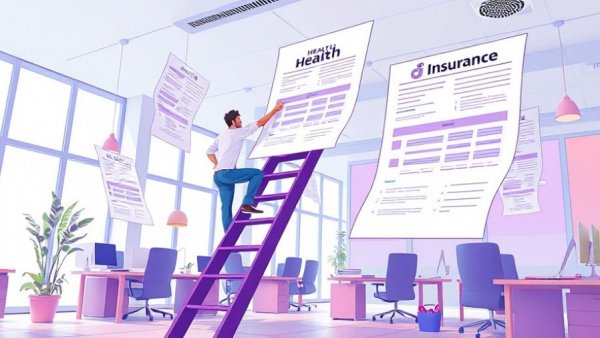
Unlocking Health Security: A Tech-Savvy Guide to Choosing Insurance

Update Why Health Insurance Matters for the Tech-Savvy GenerationFor many in the tech-savvy demographic of 30 to 85 years old, navigating health insurance may seem daunting, yet this task is fundamental to secure financial and physical well-being. Health insurance encompasses more than simply choosing a plan; it's a matter of understanding coverage options, managing costs associated with different providers, and ensuring accessibility to necessary healthcare services. As healthcare becomes increasingly intertwined with technology and innovation, understanding these options empowers consumers to make informed decisions.Understanding Your Income and DiscountsOne of the key components in navigating health insurance is understanding how your income affects your eligibility for discounts. For instance, individuals earning up to 400% of the federal poverty line can qualify for significant reductions in premiums, which makes serious financial planning essential for choosing the right coverage. An average income between $30,000 and $50,000 can see discounts ranging from 23% to nearly 75%, which is crucial for younger adults who might just be starting out in their careers and managing student loans or other costs. This structured discount system ensures that even those with limited incomes can access health insurance by lowering their monthly costs substantially.Evaluating Coverage Needs for Long-term HealthChoosing a health insurance plan isn’t just about the immediate costs; it’s also about considering long-term health needs. For many, like DJ Mikunda mentioned in the original piece, having a chronic condition means the right insurance plan can profoundly affect overall health outcomes. This could include considerations for regular medical check-ups, necessary medications, and even potential surgical procedures in the future. Understanding what kind of coverage is necessary—whether that entails frequent doctor visits, ongoing treatments, or emergency care—ensures that individuals do not jeopardize their health for the sake of short-term affordability. It is critical to analyze your lifestyle, health conditions, and even family health history when making these decisions, as these factors directly influence which plan might be the most beneficial.Finding the Right Resources for SupportNavigating the Affordable Care Act (ACA) marketplace can be complex, especially without prior experience. Thankfully, resources like independent assisters can provide the guidance needed to not only decode confusing insurance jargon but also to find suitable plans that fulfill individual healthcare needs without breaking the bank. These professionals have in-depth knowledge of the market and can provide personalized consultations that help clarify options based on your specific circumstances. Taking advantage of tools available on healthcare.gov can be a game changer for first-time enrollers. Moreover, utilizing public forums and health discussions on social media might provide peer support and insights that enhance your understanding of various insurance plans.Overcoming Common MisconceptionsStill, misconceptions about health insurance abound. Many believe that all plans are similar or that opting for the most comprehensive plan available is always the best solution. However, understanding specific needs and financial constraints allows for a more tailored approach, which can lead to better health outcomes and fewer surprises when tax season rolls around. For example, individuals often overlook the importance of factors like provider networks and deductibles, which can significantly influence how much you end up paying for healthcare services in practice. Furthermore, examining out-of-pocket maximums—a capped amount you would pay in a year—could save you money and stress during unexpected health issues or emergencies.Take Steps to Secure Your Health FinanciallyAs the dating game between employment and healthcare evolves with more gig economy jobs, being proactive in selecting health insurance is essential. Whether you're earning a steady paycheck or freelance on the side, mapping out your coverage needs is vital for maintaining health and financial security. Engaging experts, planning early, and keeping informed about the ever-changing landscape of health insurance can lead to empowered choices that enhance overall health and wellbeing. Knowledge is power, and this is particularly true in the realm of health insurance; ensuring that you understand annually updated information keeps you at the forefront of any available benefits.As you embark on this essential component of adulting, remember, there's no rush. Take your time, research your options, and ensure that the plan you select aligns with your health needs and financial goals. Balancing your immediate health needs with long-term considerations is not just part of getting insurance; it’s about investing in a healthier future for yourself and securing peace of mind in what can otherwise be a complicated journey.

11.11.2026

Nebraska’s Medicaid Work Requirements: A Life-Changing Health Challenge for Patients

Update Understanding Medicaid Work Requirements: A Case Study The recent enforcement of Medicaid work requirements in Nebraska is not just a policy shift; it highlights the real human consequences of bureaucratic decisions on vulnerable individuals. Eli McCreary’s story encapsulates the intersection of health, socioeconomic challenges, and government regulations. Diagnosed with kidney cancer, McCreary found himself navigating a labyrinth of healthcare rules that have a direct impact on his life and treatment options. The urgency of his medical condition underscores the severe implications these policies can have on those in critical need of healthcare. Why Work Requirements Matter—And Who They Affect Work requirements for Medicaid recipients, instituted under Nebraska's new policy, mandate that individuals maintain employment or fulfill equivalent activity to retain their health coverage. While proponents argue that such measures encourage self-sufficiency, this approach raises significant concerns about accessibility and equity in healthcare. For patients like McCreary, facing severe health complications, the notion of 'work' becomes a daunting barrier that complicates their healthcare journey. Given his debilitating conditions, including diabetes and chronic obstructive pulmonary disease, it’s challenging for McCreary—and many like him—to envision how to comply with these new rules. This leads to fears of losing access to lifesaving care just as they need it the most. The Challenges of Implementation and Awareness Despite the optimism expressed by state officials regarding the rollout of these work requirements, many health advocates caution against the premature implementation of such policies without proper support systems. Reports indicate that inadequate training and staffing among state workers created confusion for both enrollees and healthcare providers. Many individuals are unaware of the requirements or how to meet them, leading to catastrophic lapses in coverage for those already facing health challenges. Additionally, the emotional strain of dealing with a cancer diagnosis is compounded by anxiety over whether they qualify for Medicaid, illustrating a critical gap between regulation and real-life complexities. The situation emphasizes a need for clarity and guidance during an already tumultuous time in these patients' lives. A Broader Perspective: The National Landscape of Medicaid The tumult surrounding Nebraska’s Medicaid changes comes amid a broader national conversation about healthcare access under the Trump administration. With more states gearing up to adopt similar requirements, the potential for disenrollment among vulnerable populations looms large. Critics argue that as states rush to comply with federal mandates, the impact on individuals who depend on Medicaid is being sidelined. The increasing prevalence of such policies not only affects Nebraska but could set troubling precedents for states nationwide, potentially affecting millions of low-income individuals and families. Future Implications: What Lies Ahead for Medicaid Recipients? As Nebraska moves forward with its Medicaid enforcement, many are left questioning the sustainability of this approach. The potential repeal of the changes by new incoming lawmakers reflects a national tension between healthcare policy and the needs of citizens. If more enrollees like McCreary cannot navigate the complexities introduced by these regulations, the ramifications could be severe—seeking treatment becomes an uphill battle compounded by the anxiety of unexpected disenrollment. Future policies must consider the lived experiences of those they affect and strive to create more empathetic systems of support rather than adding layers of complexity. The situation for many in similar predicaments raises essential questions about how to balance governmental policies with the practical needs of people. Advocates stress that addressing these issues requires an approachable and empathetic framework for understanding what it means to be a Medicaid recipient today. It’s crucial to recognize that for many, health is not a privilege but a necessity, and each regulation carries weight in their reality. Conclusion: Time for Change and Community Support As the intricacies of Medicaid regulations continue to unfold, community support and advocacy remain vital. Empowerment through education about healthcare rights and available resources may be the key to navigating an otherwise overwhelming system. Individuals facing significant health challenges must know that they can seek assistance and that there is a community fighting for their rights and better policies. Reinforcing the need for collective advocacy can ensure that the needs of the most vulnerable are not lost in the conversation—underscoring that healthcare is a fundamental right that must be accessible to all, especially for those grappling with serious health issues like cancer.

Where Conventional Meets Natural for a Healthier You

Parallel Health World News offers clarity and actionable knowledge for those eager to harmonize the best of both medical worlds, helping its audience achieve a truly integrative approach to health and wellness.

Advertise
Parallel Health World News
SeamanDan.com
Dan Seaman Media Press Pass

ABOUT US
SeamanDan LLC is a modern news media agency creating niche digital channels that inform and engage. We specialize in launching focused platforms that deliver impactful content.  Our current brands include:
Parallel Health World
AI Insights Hub
MLM News AI
Rider Safe News
Meme Crypto News
Rugged Trails Network
Recreation Wave
Outdoor Odyssey News
Eco-Innovation Hub
Metal Green Innovators
Autism Foundation News

At SeamanDan LLC, we don't just report the news we create platforms that build communities, foster trust, and drive forward-thinking conversations.  Can we build a channel for you?

© 2026 Parallel Health World News All Rights Reserved. 810 N Main St #187, Spearfish, SD 57783 . Contact Us . Terms of Service . Privacy Policy

eyJjb21wYW55IjoiUGFyYWxsZWwgSGVhbHRoIFdvcmxkIE5ld3MiLCJhZGRyZXNzIjoiLCAsICAiLCJjaXR5IjoiIiwic3RhdGUiOiIiLCJ6aXAiOiIiLCJlbWFpbCI6InNlYW1hbmRhbkBzZWFtYW5kYW4uY29tIiwidG9zIjoiUEhBK1BITjBjbTl1Wno0OFpXMCtWMmhsYmlCNWIzVWdjMmxuYmkxcGJpQjNhWFJvSUhWekxDQjViM1VnWVhKbElHZHBkbWx1WnladVluTndPeUI1YjNWeUlIQmxjbTFwYzNOcGIyNGdZVzVrSUdOdmJuTmxiblFnZEc4Z2MyVnVaQ0I1YjNVZ1pXMWhhV3dnWVc1a0wyOXlJRk5OVXlCMFpYaDBJRzFsYzNOaFoyVnpMaUJDZVNCamFHVmphMmx1WnlCMGFHVWdWR1Z5YlhNZ1lXNWtJRU52Ym1ScGRHbHZibk1nWW05NElHRnVaQ0JpZVNCemFXZHVhVzVuSUdsdUlIbHZkU0JoZFhSdmJXRjBhV05oYkd4NUlHTnZibVpwY20wZ2RHaGhkQ0I1YjNVZ1lXTmpaWEIwSUdGc2JDQjBaWEp0Y3lCcGJpQjBhR2x6SUdGbmNtVmxiV1Z1ZEM0OEwyVnRQand2YzNSeWIyNW5Qand2Y0Q0S0NqeHdQaVp1WW5Od096d3ZjRDRLQ2p4d1BqeHpkSEp2Ym1jK1UwVlNWa2xEUlR3dmMzUnliMjVuUGp3dmNENEtDanh3UGxkbElIQnliM1pwWkdVZ1lTQnpaWEoyYVdObElIUm9ZWFFnWTNWeWNtVnVkR3g1SUdGc2JHOTNjeUI1YjNVZ2RHOGdjbVZqWldsMlpTQnlaWEYxWlhOMGN5Qm1iM0lnWm1WbFpHSmhZMnNzSUdOdmJYQmhibmtnYVc1bWIzSnRZWFJwYjI0c0lIQnliMjF2ZEdsdmJtRnNJR2x1Wm05eWJXRjBhVzl1TENCamIyMXdZVzU1SUdGc1pYSjBjeXdnWTI5MWNHOXVjeXdnWkdselkyOTFiblJ6SUdGdVpDQnZkR2hsY2lCdWIzUnBabWxqWVhScGIyNXpJSFJ2SUhsdmRYSWdaVzFoYVd3Z1lXUmtjbVZ6Y3lCaGJtUXZiM0lnWTJWc2JIVnNZWElnY0dodmJtVWdiM0lnWkdWMmFXTmxMaUJaYjNVZ2RXNWtaWEp6ZEdGdVpDQmhibVFnWVdkeVpXVWdkR2hoZENCMGFHVWdVMlZ5ZG1salpTQnBjeUJ3Y205MmFXUmxaQ0FtY1hWdmREdEJVeTFKVXlaeGRXOTBPeUJoYm1RZ2RHaGhkQ0IzWlNCaGMzTjFiV1VnYm04Z2NtVnpjRzl1YzJsaWFXeHBkSGtnWm05eUlIUm9aU0IwYVcxbGJHbHVaWE56TENCa1pXeGxkR2x2Yml3Z2JXbHpMV1JsYkdsMlpYSjVJRzl5SUdaaGFXeDFjbVVnZEc4Z2MzUnZjbVVnWVc1NUlIVnpaWElnWTI5dGJYVnVhV05oZEdsdmJuTWdiM0lnY0dWeWMyOXVZV3hwZW1GMGFXOXVJSE5sZEhScGJtZHpMand2Y0Q0S0NqeHdQbGx2ZFNCaGNtVWdjbVZ6Y0c5dWMybGliR1VnWm05eUlHOWlkR0ZwYm1sdVp5QmhZMk5sYzNNZ2RHOGdkR2hsSUZObGNuWnBZMlVnWVc1a0lIUm9ZWFFnWVdOalpYTnpJRzFoZVNCcGJuWnZiSFpsSUhSb2FYSmtJSEJoY25SNUlHWmxaWE1nS0hOMVkyZ2dZWE1nVTAxVElIUmxlSFFnYldWemMyRm5aWE1zSUVsdWRHVnlibVYwSUhObGNuWnBZMlVnY0hKdmRtbGtaWElnYjNJZ1kyVnNiSFZzWVhJZ1lXbHlkR2x0WlNCamFHRnlaMlZ6S1M0Z1dXOTFJR0Z5WlNCeVpYTndiMjV6YVdKc1pTQm1iM0lnZEdodmMyVWdabVZsY3l3Z2FXNWpiSFZrYVc1bklIUm9iM05sSUdabFpYTWdZWE56YjJOcFlYUmxaQ0IzYVhSb0lIUm9aU0JrYVhOd2JHRjVJRzl5SUdSbGJHbDJaWEo1SUc5bUlHVmhZMmdnVTAxVElIUmxlSFFnYldWemMyRm5aU0J6Wlc1MElIUnZJSGx2ZFNCaWVTQjFjeTRnU1c0Z1lXUmthWFJwYjI0c0lIbHZkU0J0ZFhOMElIQnliM1pwWkdVZ1lXNWtJR0Z5WlNCeVpYTndiMjV6YVdKc1pTQm1iM0lnWVd4c0lHVnhkV2x3YldWdWRDQnVaV05sYzNOaGNua2dkRzhnWVdOalpYTnpJSFJvWlNCVFpYSjJhV05sSUdGdVpDQnlaV05sYVhabElIUm9aU0JUVFZNZ2RHVjRkQ0J0WlhOellXZGxjeTRnVjJVZ1pHOGdibTkwSUdOb1lYSm5aU0JoYm5rZ1ptVmxjeUJtYjNJZ1pHVnNhWFpsY25rZ2IyWWdaVzFoYVd3Z2IzSWdVMDFUTGlCVWFHbHpJR2x6SUdFZ1puSmxaU0J6WlhKMmFXTmxJSEJ5YjNacFpHVmtJR0o1SUhWekxpQkliM2RsZG1WeUxDQndiR1ZoYzJVZ1kyaGxZMnNnZDJsMGFDQjViM1Z5SUdsdWRHVnlibVYwSUhObGNuWnBZMlVnY0hKdmRtbGtaWElnWVc1a0lHTmxiR3gxYkdGeUlHTmhjbkpwWlhJZ1ptOXlJR0Z1ZVNCamFHRnlaMlZ6SUhSb1lYUWdiV0Y1SUdsdVkzVnlJR0Z6SUdFZ2NtVnpkV3gwSUdaeWIyMGdjbVZqWldsMmFXNW5JR1Z0WVdsc0lHRnVaQ0JUVFZNZ2RHVjRkQ0J0WlhOellXZGxjeUIwYUdGMElIZGxJR1JsYkdsMlpYSWdkWEJ2YmlCNWIzVnlJRzl3ZEMxcGJpQmhibVFnY21WbmFYTjBjbUYwYVc5dUlIZHBkR2dnYjNWeUlHVnRZV2xzSUdGdVpDQlRUVk1nYzJWeWRtbGpaWE11SUZsdmRTQmpZVzRnWTJGdVkyVnNJR0YwSUdGdWVTQjBhVzFsTGlCS2RYTjBJSFJsZUhRZ0puRjFiM1E3VTFSUFVDWnhkVzkwT3lCMGJ5WnVZbk53T3p4b2FXZG9iR2xuYUhRZ1kyeGhjM005SW1OdmJYQmhibmxUVFZOUWFHOXVaVlZ3WkdGMFpTSStiblZzYkR3dmFHbG5hR3hwWjJoMFBpNGdRV1owWlhJZ2VXOTFJSE5sYm1RZ2RHaGxJRk5OVXlCdFpYTnpZV2RsSUNaeGRXOTBPMU5VVDFBbWNYVnZkRHNnZEc4Z2RYTXNJSGRsSUhkcGJHd2djMlZ1WkNCNWIzVWdZVzRnVTAxVElHMWxjM05oWjJVZ2RHOGdZMjl1Wm1seWJTQjBhR0YwSUhsdmRTQm9ZWFpsSUdKbFpXNGdkVzV6ZFdKelkzSnBZbVZrTGlCQlpuUmxjaUIwYUdsekxDQjViM1VnZDJsc2JDQnVieUJzYjI1blpYSWdjbVZqWldsMlpTQlRUVk1nYldWemMyRm5aWE1nWm5KdmJTQjFjeTQ4TDNBK0NnbzhjRDQ4YzNSeWIyNW5QbGxQVlZJZ1VrVkhTVk5VVWtGVVNVOU9JRTlDVEVsSFFWUkpUMDVUUEM5emRISnZibWMrUEM5d1Bnb0tQSEErU1c0Z1kyOXVjMmxrWlhKaGRHbHZiaUJ2WmlCNWIzVnlJSFZ6WlNCdlppQjBhR1VnVTJWeWRtbGpaU3dnZVc5MUlHRm5jbVZsSUhSdk9qd3ZjRDRLQ2p4dmJENEtDVHhzYVQ1d2NtOTJhV1JsSUhSeWRXVXNJR0ZqWTNWeVlYUmxMQ0JqZFhKeVpXNTBJR0Z1WkNCamIyMXdiR1YwWlNCcGJtWnZjbTFoZEdsdmJpQmhZbTkxZENCNWIzVnljMlZzWmlCaGN5QndjbTl0Y0hSbFpDQmllU0IwYUdVZ1UyVnlkbWxqWlNZak16azdjeUJ5WldkcGMzUnlZWFJwYjI0Z1ptOXliU0FvYzNWamFDQnBibVp2Y20xaGRHbHZiaUJpWldsdVp5QjBhR1VnSm5GMWIzUTdVbVZuYVhOMGNtRjBhVzl1SUVSaGRHRW1jWFZ2ZERzcElHRnVaRHd2YkdrK0NnazhiR2srYldGcGJuUmhhVzRnWVc1a0lIQnliMjF3ZEd4NUlIVndaR0YwWlNCMGFHVWdVbVZuYVhOMGNtRjBhVzl1SUVSaGRHRWdkRzhnYTJWbGNDQnBkQ0IwY25WbExDQmhZMk4xY21GMFpTd2dZM1Z5Y21WdWRDQmhibVFnWTI5dGNHeGxkR1V1SUVsbUlIbHZkU0J3Y205MmFXUmxJR0Z1ZVNCcGJtWnZjbTFoZEdsdmJpQjBhR0YwSUdseklIVnVkSEoxWlN3Z2FXNWhZMk4xY21GMFpTd2dibTkwSUdOMWNuSmxiblFnYjNJZ2FXNWpiMjF3YkdWMFpTd2diM0lnZDJVZ2FHRjJaU0J5WldGemIyNWhZbXhsSUdkeWIzVnVaSE1nZEc4Z2MzVnpjR1ZqZENCMGFHRjBJSE4xWTJnZ2FXNW1iM0p0WVhScGIyNGdhWE1nZFc1MGNuVmxMQ0JwYm1GalkzVnlZWFJsTENCdWIzUWdZM1Z5Y21WdWRDQnZjaUJwYm1OdmJYQnNaWFJsTENCM1pTQm9ZWFpsSUhSb1pTQnlhV2RvZENCMGJ5QnpkWE53Wlc1a0lHOXlJRHh6ZEhKdmJtYytQSE53WVc0Z2MzUjViR1U5SW1OdmJHOXlPaU5HUmpBd01EQTdJajUwWlhKdGFXNWhkR1VnZVc5MWNpQmhZMk52ZFc1MEwzQnliMlpwYkdVZ1lXNWtJSEpsWm5WelpTQmhibmtnWVc1a0lHRnNiQ0JqZFhKeVpXNTBJRzl5SUdaMWRIVnlaU0IxYzJVZ2IyWWdkR2hsSUZObGNuWnBZMlVnS0c5eUlHRnVlU0J3YjNKMGFXOXVJSFJvWlhKbGIyWXBMand2YzNCaGJqNDhMM04wY205dVp6NDhMMnhwUGdvOEwyOXNQZ29LUEhBK0ptNWljM0E3UEM5d1BnbzhhR2xuYUd4cFoyaDBJR05zWVhOelBTSmpiMjF3WVc1NVRtRnRaVlZ3WkdGMFpTSStVR0Z5WVd4c1pXd2dTR1ZoYkhSb0lGZHZjbXhrSUU1bGQzTThMMmhwWjJoc2FXZG9kRDQ4WW5JZ0x6NEtQR2hwWjJoc2FXZG9kQ0JqYkdGemN6MGlZMjl0Y0dGdWVVRmtaSEpsYzNOVmNHUmhkR1VpUGpneE1DQk9JRTFoYVc0Z1UzUWdJekU0Tnl3Z1UzQmxZWEptYVhOb0xDQlRSQ0ExTnpjNE16d3ZhR2xuYUd4cFoyaDBQanhpY2lBdlBnbzhhR2xuYUd4cFoyaDBJR05zWVhOelBTSmpiMjF3WVc1NVVHaHZibVZWY0dSaGRHVWlQaXN3SUNzeE5qYzRORGM0TkRZNU1Ed3ZhR2xuYUd4cFoyaDBQanhpY2lBdlBnbzhhR2xuYUd4cFoyaDBJR05zWVhOelBTSmpiMjF3WVc1NVJXMWhhV3hWY0dSaGRHVWlQbk5sWVcxaGJtUmhia0J6WldGdFlXNWtZVzR1WTI5dFBDOW9hV2RvYkdsbmFIUSsiLCJwcml2YWN5IjoiUEhBK1BITjBjbTl1Wno1UVVrbFdRVU5aUEM5emRISnZibWMrUEM5d1Bnb0tQSEErUEhOMGNtOXVaejVVYUdVZ2FXNW1iM0p0WVhScGIyNGdjSEp2ZG1sa1pXUWdaSFZ5YVc1bklIUm9hWE1nY21WbmFYTjBjbUYwYVc5dUlHbHpJR3RsY0hRZ2NISnBkbUYwWlNCaGJtUWdZMjl1Wm1sa1pXNTBhV0ZzTENCaGJtUWdkMmxzYkNCdVpYWmxjaUJpWlNCa2FYTjBjbWxpZFhSbFpDd2dZMjl3YVdWa0xDQnpiMnhrTENCMGNtRmtaV1FnYjNJZ2NHOXpkR1ZrSUdsdUlHRnVlU0IzWVhrc0lITm9ZWEJsSUc5eUlHWnZjbTB1SUZSb2FYTWdhWE1nYjNWeUlHZDFZWEpoYm5SbFpTNDhMM04wY205dVp6NDhMM0ErQ2dvOGNENDhjM1J5YjI1blBrbE9SRVZOVGtsVVdUd3ZjM1J5YjI1blBqd3ZjRDRLQ2p4d1BqeGxiVDVaYjNVZ1lXZHlaV1VnZEc4Z2FXNWtaVzF1YVdaNUlHRnVaQ0JvYjJ4a0lIVnpMQ0JoYm1RZ2FYUnpJSE4xWW5OcFpHbGhjbWxsY3l3Z1lXWm1hV3hwWVhSbGN5d2diMlptYVdObGNuTXNJR0ZuWlc1MGN5d2dZMjh0WW5KaGJtUmxjbk1nYjNJZ2IzUm9aWElnY0dGeWRHNWxjbk1zSUdGdVpDQmxiWEJzYjNsbFpYTXNJR2hoY20xc1pYTnpJR1p5YjIwZ1lXNTVJR05zWVdsdElHOXlJR1JsYldGdVpDd2dhVzVqYkhWa2FXNW5JSEpsWVhOdmJtRmliR1VnWVhSMGIzSnVaWGx6SmlNek9Uc2dabVZsY3l3Z2JXRmtaU0JpZVNCaGJua2dkR2hwY21RZ2NHRnlkSGtnWkhWbElIUnZJRzl5SUdGeWFYTnBibWNnYjNWMElHOW1JRU52Ym5SbGJuUWdlVzkxSUhKbFkyVnBkbVVzSUhOMVltMXBkQ3dnY21Wd2JIa3NJSEJ2YzNRc0lIUnlZVzV6YldsMElHOXlJRzFoYTJVZ1lYWmhhV3hoWW14bElIUm9jbTkxWjJnZ2RHaGxJRk5sY25acFkyVXNJSGx2ZFhJZ2RYTmxJRzltSUhSb1pTQlRaWEoyYVdObExDQjViM1Z5SUdOdmJtNWxZM1JwYjI0Z2RHOGdkR2hsSUZObGNuWnBZMlVzSUhsdmRYSWdkbWx2YkdGMGFXOXVJRzltSUhSb1pTQlVUMU1zSUc5eUlIbHZkWElnZG1sdmJHRjBhVzl1SUc5bUlHRnVlU0J5YVdkb2RITWdiMllnWVc1dmRHaGxjaTQ4TDJWdFBqd3ZjRDRLQ2p4d1BqeHpkSEp2Ym1jK1JFbFRRMHhCU1UxRlVpQlBSaUJYUVZKU1FVNVVTVVZUUEM5emRISnZibWMrUEM5d1Bnb0tQSEErUEhOMGNtOXVaejVaVDFVZ1JWaFFVa1ZUVTB4WklGVk9SRVZTVTFSQlRrUWdRVTVFSUVGSFVrVkZJRlJJUVZRNlBDOXpkSEp2Ym1jK1BDOXdQZ29LUEc5c1Bnb0pQR3hwUGxsUFZWSWdWVk5GSUU5R0lGUklSU0JUUlZKV1NVTkZJRWxUSUVGVUlGbFBWVklnVTA5TVJTQlNTVk5MTGlCVVNFVWdVMFZTVmtsRFJTQkpVeUJRVWs5V1NVUkZSQ0JQVGlCQlRpQW1jWFZ2ZER0QlV5QkpVeVp4ZFc5ME95QkJUa1FnSm5GMWIzUTdRVk1nUVZaQlNVeEJRa3hGSm5GMWIzUTdJRUpCVTBsVExpQXNMaUJCVGtRZ1ZWTXNJRWxVSmlNek9UdFRJRU5WVTFSUFRVVlNVeXdnUlZoUVVrVlRVMHhaSUVSSlUwTk1RVWxOVXlCQlRFd2dWMEZTVWtGT1ZFbEZVeUJQUmlCQlRsa2dTMGxPUkN3Z1YwaEZWRWhGVWlCRldGQlNSVk5USUU5U0lFbE5VRXhKUlVRc0lFbE9RMHhWUkVsT1J5d2dRbFZVSUU1UFZDQk1TVTFKVkVWRUlGUlBJRlJJUlNCSlRWQk1TVVZFSUZkQlVsSkJUbFJKUlZNZ1QwWWdUVVZTUTBoQlRsUkJRa2xNU1ZSWkxDQkdTVlJPUlZOVElFWlBVaUJCSUZCQlVsUkpRMVZNUVZJZ1VGVlNVRTlUUlNCQlRrUWdUazlPTFVsT1JsSkpUa2RGVFVWT1ZDNDhMMnhwUGdvSlBHeHBQazFCUzBWVElFNVBJRmRCVWxKQlRsUlpJRlJJUVZRZ0tHa3BJRlJJUlNCVFJWSldTVU5GSUZkSlRFd2dUVVZGVkNCWlQxVlNJRkpGVVZWSlVrVk5SVTVVVXl3Z0tHbHBLU0JVU0VVZ1UwVlNWa2xEUlNCWFNVeE1JRUpGSUZWT1NVNVVSVkpTVlZCVVJVUXNJRlJKVFVWTVdTd2dVMFZEVlZKRkxDQlBVaUJGVWxKUFVpMUdVa1ZGTENBb2FXbHBLU0JVU0VVZ1VrVlRWVXhVVXlCVVNFRlVJRTFCV1NCQ1JTQlBRbFJCU1U1RlJDQkdVazlOSUZSSVJTQlZVMFVnVDBZZ1ZFaEZJRk5GVWxaSlEwVWdWMGxNVENCQ1JTQkJRME5WVWtGVVJTQlBVaUJTUlV4SlFVSk1SU3dnUVU1RUlDaHBkaWtnUVU1WklFVlNVazlTVXlCSlRpQlVTRVVnVTA5R1ZGZEJVa1VnVjBsTVRDQkNSU0JEVDFKU1JVTlVSVVF1UEM5c2FUNEtDVHhzYVQ1QlRsa2dUVUZVUlZKSlFVd2dSRTlYVGt4UFFVUkZSQ0JQVWlCUFZFaEZVbGRKVTBVZ1QwSlVRVWxPUlVRZ1ZFaFNUMVZIU0NCVVNFVWdWVk5GSUU5R0lGUklSU0JUUlZKV1NVTkZJRWxUSUVSUFRrVWdRVlFnV1U5VlVpQlBWMDRnUkVsVFExSkZWRWxQVGlCQlRrUWdVa2xUU3lCQlRrUWdWRWhCVkNCWlQxVWdWMGxNVENCQ1JTQlRUMHhGVEZrZ1VrVlRVRTlPVTBsQ1RFVWdSazlTSUVGT1dTQkVRVTFCUjBVZ1ZFOGdXVTlWVWlCRFQwMVFWVlJGVWlCVFdWTlVSVTBnVDFJZ1RFOVRVeUJQUmlCRVFWUkJJRlJJUVZRZ1VrVlRWVXhVVXlCR1VrOU5JRlJJUlNCRVQxZE9URTlCUkNCUFJpQkJUbGtnVTFWRFNDQk5RVlJGVWtsQlRDNDhMMnhwUGdvSlBHeHBQazVQSUVGRVZrbERSU0JQVWlCSlRrWlBVazFCVkVsUFRpd2dWMGhGVkVoRlVpQlBVa0ZNSUU5U0lGZFNTVlJVUlU0c0lFOUNWRUZKVGtWRUlFSlpJRmxQVlNCR1VrOU5JRTlTSUZSSVVrOVZSMGdnVDFJZ1JsSlBUU0JVU0VVZ1UwVlNWa2xEUlNCVFNFRk1UQ0JEVWtWQlZFVWdRVTVaSUZkQlVsSkJUbFJaSUU1UFZDQkZXRkJTUlZOVFRGa2dVMVJCVkVWRUlFbE9JRlJJUlNCVVQxTXVQQzlzYVQ0S1BDOXZiRDRLQ2p4d1BqeHpkSEp2Ym1jK1RFbE5TVlJCVkVsUFRpQlBSaUJNU1VGQ1NVeEpWRms4TDNOMGNtOXVaejQ4TDNBK0NnbzhjRDVaVDFVZ1JWaFFVa1ZUVTB4WklGVk9SRVZTVTFSQlRrUWdRVTVFSUVGSFVrVkZJRlJJUVZRZ1FVNUVJRk5JUVV4TUlFNVBWQ0JDUlNCTVNVRkNURVVnUms5U0lFRk9XU0JFU1ZKRlExUXNJRWxPUkVsU1JVTlVMQ0JKVGtOSlJFVk9WRUZNTENCVFVFVkRTVUZNTENCRFQwNVRSVkZWUlU1VVNVRk1JRTlTSUVWWVJVMVFURUZTV1NCRVFVMUJSMFZUTENCSlRrTk1WVVJKVGtjZ1FsVlVJRTVQVkNCTVNVMUpWRVZFSUZSUExDQkVRVTFCUjBWVElFWlBVaUJNVDFOVElFOUdJRkJTVDBaSlZGTXNJRWRQVDBSWFNVeE1MQ0JWVTBVc0lFUkJWRUVnVDFJZ1QxUklSVklnU1U1VVFVNUhTVUpNUlNCTVQxTlRSVk1nS0VWV1JVNGdTVVlnU0VGVElFSkZSVTRnUVVSV1NWTkZSQ0JQUmlCVVNFVWdVRTlUVTBsQ1NVeEpWRmtnVDBZZ1UxVkRTQ0JFUVUxQlIwVlRLU3dnVWtWVFZVeFVTVTVISUVaU1QwMDZQQzl3UGdvS1BHOXNQZ29KUEd4cFBsUklSU0JWVTBVZ1QxSWdWRWhGSUVsT1FVSkpURWxVV1NCVVR5QlZVMFVnVkVoRklGTkZVbFpKUTBVN1BDOXNhVDRLQ1R4c2FUNVVTRVVnUTA5VFZDQlBSaUJRVWs5RFZWSkZUVVZPVkNCUFJpQlRWVUpUVkVsVVZWUkZJRWRQVDBSVElFRk9SQ0JUUlZKV1NVTkZVeUJTUlZOVlRGUkpUa2NnUmxKUFRTQkJUbGtnUjA5UFJGTXNJRVJCVkVFc0lFbE9SazlTVFVGVVNVOU9JRTlTSUZORlVsWkpRMFZUSUZCVlVrTklRVk5GUkNCUFVpQlBRbFJCU1U1RlJDQlBVaUJOUlZOVFFVZEZVeUJTUlVORlNWWkZSQ0JQVWlCVVVrRk9VMEZEVkVsUFRsTWdSVTVVUlZKRlJDQkpUbFJQSUZSSVVrOVZSMGdnVDFJZ1JsSlBUU0JVU0VVZ1UwVlNWa2xEUlRzOEwyeHBQZ29KUEd4cFBsVk9RVlZVU0U5U1NWcEZSQ0JCUTBORlUxTWdWRThnVDFJZ1FVeFVSVkpCVkVsUFRpQlBSaUJaVDFWU0lGUlNRVTVUVFVsVFUwbFBUbE1nVDFJZ1JFRlVRVHM4TDJ4cFBnb0pQR3hwUGxOVVFWUkZUVVZPVkZNZ1QxSWdRMDlPUkZWRFZDQlBSaUJCVGxrZ1ZFaEpVa1FnVUVGU1ZGa2dUMDRnVkVoRklGTkZVbFpKUTBVN0lFOVNQQzlzYVQ0S0NUeHNhVDVCVGxrZ1QxUklSVklnVFVGVVZFVlNJRkpGVEVGVVNVNUhJRlJQSUZSSVJTQlRSVkpXU1VORkxqd3ZiR2srQ2p3dmIydytDZ284Y0Q0OGRUNUNlU0J5WldkcGMzUmxjbWx1WnlCaGJtUWdjM1ZpYzJOeWFXSnBibWNnZEc4Z2IzVnlJR1Z0WVdsc0lHRnVaQ0JUVFZNZ2MyVnlkbWxqWlN3Z1lua2diM0IwTFdsdUxDQnZibXhwYm1VZ2NtVm5hWE4wY21GMGFXOXVJRzl5SUdKNUlHWnBiR3hwYm1jZ2IzVjBJR0VnWTJGeVpDd2dKbkYxYjNRN2VXOTFJR0ZuY21WbElIUnZJSFJvWlhObElGUkZVazFUSUU5R0lGTkZVbFpKUTBVbWNYVnZkRHNnWVc1a0lIbHZkU0JoWTJ0dWIzZHNaV1JuWlNCaGJtUWdkVzVrWlhKemRHRnVaQ0IwYUdVZ1lXSnZkbVVnZEdWeWJYTWdiMllnYzJWeWRtbGpaU0J2ZFhSc2FXNWxaQ0JoYm1RZ1pHVjBZV2xzWldRZ1ptOXlJSGx2ZFNCMGIyUmhlUzQ4TDNVK1BDOXdQZ29LUEhBK0ptNWljM0E3UEM5d1BnbzhhR2xuYUd4cFoyaDBJR05zWVhOelBTSmpiMjF3WVc1NVRtRnRaVlZ3WkdGMFpTSStVR0Z5WVd4c1pXd2dTR1ZoYkhSb0lGZHZjbXhrSUU1bGQzTThMMmhwWjJoc2FXZG9kRDQ4WW5JZ0x6NEtQR2hwWjJoc2FXZG9kQ0JqYkdGemN6MGlZMjl0Y0dGdWVVRmtaSEpsYzNOVmNHUmhkR1VpUGpneE1DQk9JRTFoYVc0Z1UzUWdJekU0Tnl3Z1UzQmxZWEptYVhOb0xDQlRSQ0ExTnpjNE16d3ZhR2xuYUd4cFoyaDBQanhpY2lBdlBnbzhhR2xuYUd4cFoyaDBJR05zWVhOelBTSmpiMjF3WVc1NVVHaHZibVZWY0dSaGRHVWlQaXN3SUNzeE5qYzRORGM0TkRZNU1Ed3ZhR2xuYUd4cFoyaDBQanhpY2lBdlBnbzhhR2xuYUd4cFoyaDBJR05zWVhOelBTSmpiMjF3WVc1NVJXMWhhV3hWY0dSaGRHVWlQbk5sWVcxaGJtUmhia0J6WldGdFlXNWtZVzR1WTI5dFBDOW9hV2RvYkdsbmFIUSsifQ==

Terms of Service

Privacy Policy

Core Modal Title

Sorry, no results found

You Might Find These Articles Interesting

T
Please Check Your Email
We Will Be Following Up Shortly
*
*
*