

Disaster Strikes and Medicaid: A Closer Look
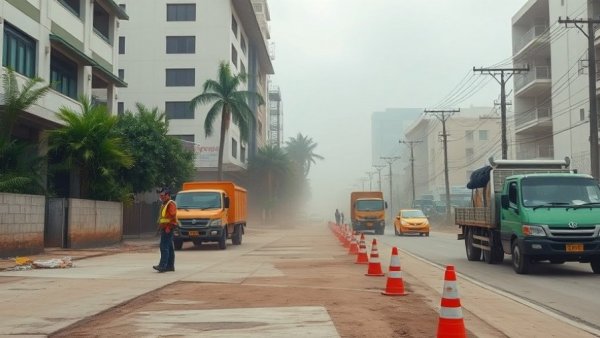
In September 2026, Hurricane Lowell devastated Kauaʻi, leaving behind a trail of debris, layoffs, and an urgent need for healthcare support. As the community struggles to recover, a disturbing trend emerges: the impact of Medicaid’s work requirements on low-income families during disasters. Following the hurricane, unemployment claims skyrocketed, rising to approximately 1,800 from just 69 before the storm, and Medicaid applications surged by about 50%. However, new regulations complicate this safety net for those most in need.
The Burden of New Medicaid Work Rules
The One Big Beautiful Bill Act, signed into law last year, introduced stringent work requirements for Medicaid enrollees in 43 states. This mandates nondisabled adults to maintain at least 80 hours of work, volunteering, or schooling each month. Critics argue this policy could exacerbate suffering in states ravaged by disaster. Vulnerable populations, like laid-off workers from the tourism industry on Kauaʻi, face significant hindrances in securing their health coverage while they grapple with ongoing job loss, leading to heightened anxiety and uncertainty about their medical care.
Hawaiʻi’s Governor Josh Green expressed concerns over potential enrollments lapsing due to non-compliance with these rules, which could lead to disastrous implications for local healthcare facilities and providers. "It would be devastating if suddenly 40,000 or 50,000 people didn’t have their Medicaid benefits," he stated. Such a scenario could deeply impact rural hospitals and healthcare practitioners, underscoring the critical need for timely and effective policies during disasters.
Emergency Declarations: A Double-Edged Sword
The federal government can issue emergency declarations that might exempt certain areas from the new Medicaid work requirements. Yet, these declarations often face delays or are entirely absent, leaving communities without immediate help. The ambiguity in policy implementation raises critical questions: how long can states sustain exemptions? Are families like that of Rochelle Ganotisi receiving all the needed support, or are they falling through the gaps? The anxiety grows for families uncertain if they will maintain access to essential healthcare.
State Responses: Navigating the Fine Print
Interestingly, while most states appear inclined to implement optional hardship exemptions for disaster-impacted enrollees, four states—Indiana, Iowa, Missouri, and Ohio—have opted not to adopt these measures. This inconsistency highlights a troubling trend that could leave thousands in limbo when they desperately need healthcare access. Governor Green confirmed Hawaiʻi officials' commitment to keeping residents enrolled until July, allowing a temporary reprieve for families affected.
The Broader Implications of Medicaid Access
As communities like those in Kauaʻi rebuild, the long-term implications of Medicaid's work requirements become clearer. Many affected individuals, including workers laid off at the Sheraton Kauaʻi Resort, are navigating a complex landscape of partial employment and social support systems. For families facing a sudden loss of income, having to satisfy work requirements for Medicaid eligibility adds an unnecessary layer of stress amidst their recovery.
Predicting the Future of Medicaid During Natural Disasters
As extreme weather events become more frequent and intense, the intersection of healthcare access and climate-related disasters warrants close examination. It’s crucial that policymakers understand the ramifications of the Medicaid work requirements when designing systems to respond to emergencies. Elevated levels of stress and health crises may emerge in communities that lose their insurance coverage when economic stability is disrupted by natural disasters.
Rethinking Medicaid in the Age of Disasters
In light of this crisis, it is imperative for health enthusiasts and advocates to engage in conversations around Medicaid reform. There is a pressing need for a healthcare system that prioritizes immediate access during emergencies, allowing families displaced by disaster to focus on recovery rather than navigating bureaucratic hurdles. In this age of increasing natural disasters and economic uncertainty, the message is clear: it’s time to reflect on and reshape policies that affect our most vulnerable populations and ensure that healthcare is considered a right, not a privilege. Community wellness and health equity must be prioritized, ensuring that in times of disaster, support is accessible and effective for all in need.












Write A Comment