
Understanding the Financial Implications of Universal Healthcare
The current debates surrounding universal healthcare have put financial implications at the forefront. In Oregon, a proposed statewide universal healthcare plan has ignited discussions about the staggering costs that are said to reach $69.7 billion annually by 2032. This is not an isolated case, as similar estimates have arisen on a national level, with projections for 'Medicare for All' reaching as high as $4.7 trillion per year. These figures have led to widespread sticker shock among the public, with discussions often steeped in fears of increased taxes and government spending. The skepticism surrounding these costs is compounded by a lack of clear communication on how these figures translate to individual financial responsibilities.
Breaking Down the Current Costs
However, amidst the hesitancy and skepticism, advocates of single-payer systems argue they would effectively consolidate current spending, which already entails trillions of dollars from various sources. Cynthia Cox, a senior vice president at KFF, highlights that while there might be a jump in government expenditures, individuals and companies would ultimately pay less. The current system involves out-of-pocket expenses, premiums, and employer contributions which, combined, yield a huge economic burden on consumers. In fact, numerous studies suggest that these costs could be streamlined under a single-payer approach, resulting in overall savings for both employers and their employees.
Education: The Key to Acceptance
To bridge the gap between perception and reality, educating the public is critical. Many people possess a limited understanding of healthcare financing—most are unaware of the broader costs associated with Medicare or Medicaid. John McDonough, a health policy professor at Harvard, emphasizes the necessity of a comprehensive educational effort to illuminate these costs before any single-payer initiative can gain traction. Without this public understanding, advocates may struggle to make headway, as many potential supporters remain focused on the immediate implications of tax increases rather than the long-term benefits that could emerge.
Policy Viewpoints: Diverging Perspectives
While proponents shine a light on potential savings under a universal healthcare structure, critics remain starkly cautious. For instance, the White House Council of Economic Advisers has estimated that extending Medicare to all Americans could mean $47 trillion for the federal budget over ten years. This projection, highlighted by conservative-leaning analysts, serves as a backdrop for further debates on overarching government spending to fund such transformative initiatives. The fears of backtracking on the gains made in healthcare access from the Affordable Care Act add layers of complexity to this ongoing discussion.
Historical Attempts: Lessons Learned
The struggles to implement single-payer systems in states like Vermont, California, and Massachusetts offer lessons that cannot be ignored. Vermont’s former Governor Peter Shumlin's halted single-payer push in 2014 signifies the intense local challenges that can sideline universal healthcare plans due to political capital drainage and public hesitancy regarding inevitable tax hikes. Without properly addressing and communicating the nuances of cost versus efficiency, any new attempt at legislative reform may meet a similar fate. Learning from these unsuccessful attempts can provide invaluable insights into the strategies that could bolster public support.
Future of Healthcare: What Lies Ahead?
The rejuvenated debates in Congress over universal healthcare might bring the matter to the forefront of the next presidential election cycle. With figures like Senator Bernie Sanders taking a leadership role and supporting Medicare-for-All, understanding the financial and social implications will be paramount as the public grapples with what this means for their futures. The ultimate goal remains: to provide an equitable healthcare solution that serves the population efficiently, without inadvertently heightening economic burdens on individuals. Furthermore, as the healthcare landscape continues to evolve with innovative solutions and technology, it is essential for voters to remain informed about how these changes could impact their healthcare experiences. Engaging in discussions, attending town halls, and keeping updated on proposals can empower individuals to participate more actively in shaping healthcare policies.
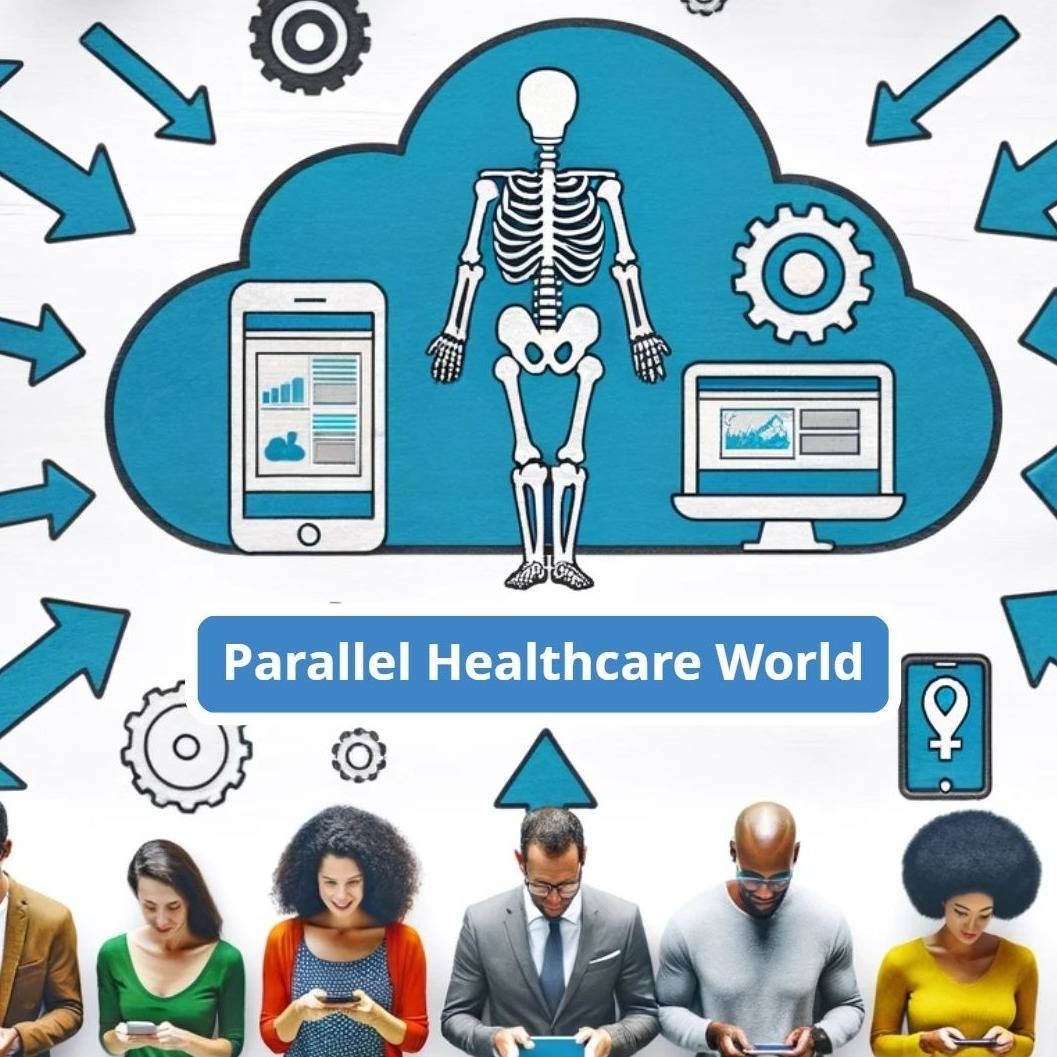
As this discussion unfolds, the participation of tech-savvy health enthusiasts can also bring fresh insights into potential solutions, marrying technology with healthcare reform. By leveraging technology, we could rethink traditional healthcare delivery and ultimately work toward a more streamlined, effective solution that aligns with the values of both efficiency and equity.













Write A Comment