

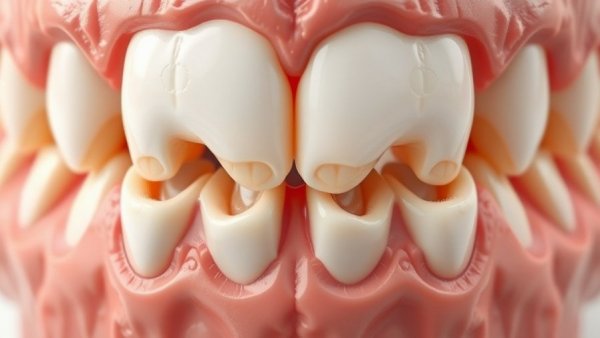
A Revolutionary Treatment for Childhood Cavities
In a groundbreaking study published in JAMA Pediatrics, researchers from the University of Michigan have opened a new chapter in pediatric dentistry. They have demonstrated that a quick application of silver diamine fluoride (SDF) can effectively halt the progression of cavities in young children without the need for painful drills or anesthesia. This inexpensive and swift method may become a game changer in preventing children from suffering the discomfort and infections often associated with untreated cavities.
The Burden of Untreated Cavities
Cavities are not just a nuisance for children; they represent a significant public health issue. In the United States, untreated cavities lead thousands of children to emergency rooms every year. Unfortunately, in many cases, the underlying dental issues remain unresolved. Such neglect can lead to pain, infection, and further complications requiring expensive surgical interventions under anesthesia. By using SDF, pediatric dentists could potentially avert these dire outcomes, promoting better oral health from an early age.
How Does Silver Diamine Fluoride Work?
SDF is applied directly to the cavity using a small sponge-tipped applicator, taking only seconds to cover the affected tooth area. This liquid treatment not only stops decay but also strengthens the remaining tooth structure, making it less prone to future problems. It has been used off-label in the U.S. since 2014, primarily to relieve tooth sensitivity, but recent studies provide the robust evidence necessary for its approval as a treatment for tooth decay.
Clinical Trials Highlight Effectiveness
The recent trial included 830 children under the age of six, illustrating how effective SDF can be when applied consistently every six months. The study revealed that in over 50% of cases treated, tooth decay was successfully stopped. Such findings could lead to its recognition as a mainstream treatment option in American pediatric dental practices.
A Safe Choice for Vulnerable Populations
One of the most significant advantages of SDF treatment is its safety profile. With proven effectiveness even among toddlers, it represents a non-invasive option for those who might struggle with traditional dental procedures - including children with special needs or high levels of dental anxiety. This method bridges the gap for patients who may have limited access to traditional dental care, ensuring more children receive the treatment they need.
The Downsides of SDF Treatment
While the benefits are considerable, it's important to note one apparent drawback of SDF: it permanently stains the decayed area of the tooth. For many parents, this cosmetic issue might raise concerns. However, the trade-off of improved dental health and the prevention of future surgery might outweigh the aesthetic drawbacks. As the research emphasizes the essential role of transparent communication with families, the importance of establishing expectations around the outcomes is clear.
Predictions for Future Dental Care
The future is promising for pediatric dentistry as SDF shows potential for broader application. With ongoing research and successful trials, it may lead to wider adoption across America. Public health implications are substantial; fewer children will face dental surgery, and overall dental health within communities can improve significantly.
As we stand on the brink of this new dental revolution, it’s crucial for parents, caregivers, and healthcare professionals to stay informed about safe and effective treatment options. By embracing innovation in dental care, we can pave the way for healthier futures!













Write A Comment