

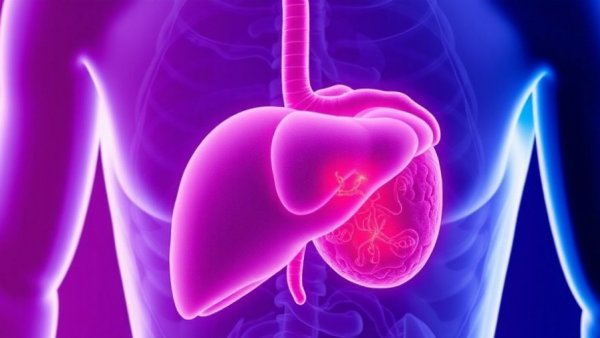
Understanding Glucagon: A Game Changer in Blood Sugar Management
While insulin often takes center stage in discussions about blood sugar regulation, glucagon is an equally important hormone that has been operating quietly in the background. Recent studies have underscored glucagon's significance, particularly in understanding the intricate relationship between fatty liver disease and type 2 diabetes. Researchers have pinpointed glucagon's role as a potentially overlooked factor in metabolic health, shifting the focus from solely insulin-related issues.
The Link Between Fatty Liver Disease and Glucagon Resistance
Research reveals a striking connection between fatty liver disease, type 2 diabetes, and elevated glucagon levels. In a groundbreaking study comparing individuals diagnosed with type 2 diabetes to those with normal blood sugar, it was established that patients with diabetes exhibited about 30% higher glucagon levels when fasting, and an astonishing 75% higher levels post-meal. Furthermore, those with both fatty liver and diabetes recorded glucagon levels that were nearly 47% higher after eating compared to their peers without the disease combination.
This phenomenon raises important questions: How does fatty liver impact glucagon's effectiveness? In cases of glucagon resistance, the liver seemingly begins to disregard its signals, impeding glucose release and fat burning. This dysfunction may lead to a vicious cycle—raising glucagon levels further to compensate for insulin issues—ultimately exacerbating metabolic problems.
Beyond Insulin: Broader Implications for Metabolic Health
This breakthrough understanding could reshape preventative strategies for type 2 diabetes. Historically, most interventions have prioritized insulin sensitivity as the main focus, potentially neglecting glucagon's role and its implications for liver health. The complexities of how glucagon interacts with liver fat challenge conventional approaches to managing diabetes, highlighting the need for comprehensive treatment plans that recognize both hormones as vital players in metabolism.
Taking Action: Six Practical Steps to Support Liver Health
If these findings resonate with you, there are actionable steps you can take to support both your liver and metabolic health. Here are six strategies:
- Stay Active: Regular physical activity enhances liver function and improves insulin sensitivity.
- Eat Whole Foods: Focus on a diet rich in whole grains, vegetables, and lean proteins to maintain a healthy weight.
- Limit Sugar Intake: Reducing processed sugar can help decrease fat accumulation in the liver.
- Manage Stress: Stress can negatively impact your hormones, including glucagon; consider activities like yoga or mindfulness.
- Stay Hydrated: Adequate hydration supports liver health and metabolic efficiency.
- Regular Checkups: Regular visits to your healthcare provider can help you monitor your liver and blood sugar levels.
Conclusion: Why Glucagon Matters More Than Ever
The take-home message is clear: glucagon deserves a spotlight alongside insulin when considering strategies for managing blood sugar and liver health. This evolving understanding could be pivotal in curbing the rise of type 2 diabetes and related metabolic disorders in our health-conscious society. For those keen on optimizing their wellness, integrating knowledge about glucagon into your health strategies could provide new avenues for maintaining balance and vitality.













Write A Comment