

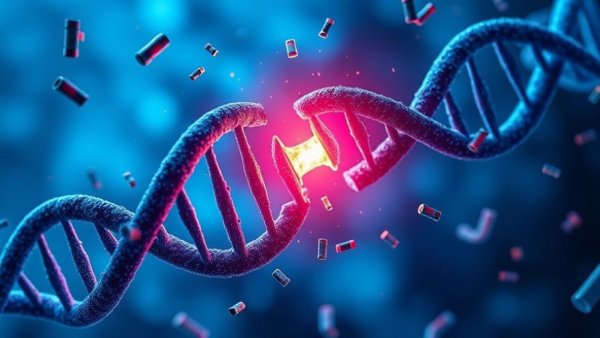
Understanding the Role of Genetics in Cancer Development
Why do some people develop cancer from the same environmental exposures, while others do not? New research from the University of Cambridge sheds light on this mystery, revealing that our inherited genetics significantly influence the risk and evolution of cancer after DNA damage. This groundbreaking study provides insights that could transform our approach to cancer prevention, diagnosis, and treatment.
Breaking Down the Research: A Closer Look
The researchers conducted a controlled study using mice that replicated the genetic diversity seen in human populations. By breeding four strains of mice, each with different susceptibilities to liver cancer, they created a model wherein all mice received the same carcinogen, diethylnitrosamine (DEN), under identical conditions. This rigorous experimental design allowed for clear observations about how genetic background can impact tumor behavior.
The results were significant. Not only did they unearth a direct relationship between inherited genetics and cancer risk, but they also indicated that this genetic influence could alter how tumors develop over time. For instance, some individuals may carry mutations that make their cells more susceptible to becoming cancerous, whilst others may possess genes that provide a certain level of protection against such transformations.
Environmental Factors vs. Genetic Background
Previous studies indicated that environmental factors such as smoking, diet, and sun exposure could elevate the risk of cancer. Indeed, many smokers do not develop lung cancer, while a number of non-smokers do. This discrepancy has puzzled scientists for years, as it highlights the limitations of focusing solely on external factors when evaluating cancer risk.
The new findings emphasize the importance of genetics by clarifying that inherited traits can dictate how our bodies respond to DNA damage. With cancer being a multifactorial disease, understanding individual variations in genetic makeup will be crucial as we tailor prevention and treatment strategies to those at higher risk.
The Implications for Cancer Treatments
Another critical revelation from the study is the potential impact on treatment approaches for cancer patients. Different genetic backgrounds can not only shape cancer risk but also influence responses to therapies that aim to damage DNA in cancer cells. This means that future treatment plans may need to consider a patient’s genetic profile to devise the most effective strategies.
As healthcare becomes increasingly personalized, these findings reinforce the need for genetic screening, which may help oncologists predict a patient's likelihood of developing different types of cancer, and how effective various treatment regimens could be.
The Path Forward: Personalized Cancer Care
With the promise of individualized medicine on the horizon, this research serves as a stepping stone toward better understanding cancer dynamics. The authors of the study advocate for integrating inherited genetic factors into clinical practices, emphasizing that a one-size-fits-all approach to cancer screening and treatment may not suffice.
By focusing on genetic diversity, healthcare professionals can innovate more effective strategies for prevention and intervention, ultimately improving outcomes for individuals at risk.
Conclusion: Taking Action for a Healthier Future
The key takeaway from this research is the importance of recognizing the dual role of genetics and environment in the development of cancer. As we advance our understanding of how inherited traits influence cancer, the medical field can move toward more precise and personalized health care solutions. For patients and practitioners alike, staying informed and considering genetic predisposition can empower better health decisions and foster a proactive approach to cancer prevention.













Write A Comment