

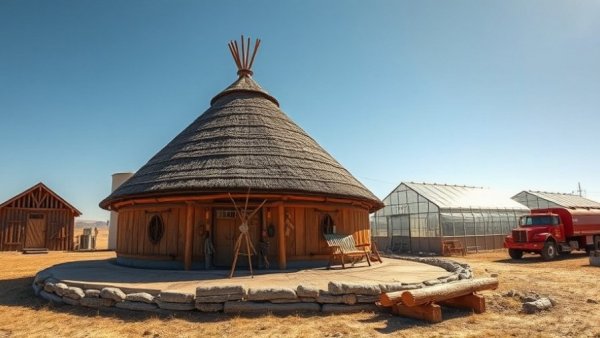
A Historical Step Towards Cultural Integration in Healthcare
The approval of Native Traditional Healing practices under Medicaid in Utah and Maine is not just a regulatory decision; it marks a significant recognition of the intersection of culture and health. This expansion aims to address healthcare through a lens that values traditional practices, which is a pivotal shift in understanding health holistically. For Native Americans, where traditional methods like sweat ceremonies and canoe journeys play a crucial part in healing, this update affirms that cultural identity is integral to well-being.
Benefits of Traditional Healing Practices
Research has shown that traditional healing methods, such as those increasingly recognized by the Centers for Medicare & Medicaid Services (CMS), can greatly alleviate symptoms of mental health issues like PTSD, anxiety, and depression. The healing processes extend beyond the physical realm, tapping into community connection and cultural heritage. For example, sweat lodge ceremonies are not just therapeutic; they symbolize community and identity, fostering a sense of belonging among participants. Kelly Rowe, executive director of health services of the Confederated Tribes of Grand Ronde, highlighted that an elder's experience in a canoe journey represented more than physical activity—it was transformational and resonated with indigenous identity.
The Impact of Regulatory Changes on Native American Healthcare
As the Trump administration implements stricter Medicaid eligibility criteria, these waivers for traditional healing offer a vital lifeline for many tribes whose members may face disenrollment from Medicaid due to broader federal policies. Native American leaders advocate for these culturally relevant health solutions as essential for preserving their services while navigating a landscape of changing policies. This contrasts starkly against the backdrop of an administration that, since 2025, has reduced Medicaid access across the board, pushing many towards a gap in essential healthcare services.
Looking Ahead: Future Trends in Healthcare Accessibility
As more states file for waivers granting coverage for traditional healing practices, we can expect a shift in how healthcare is approached nationally. This movement can inspire a broader integration of alternative healing methods into mainstream healthcare. Advocates are calling for systemic changes that would allow for enhanced funding to support these practices, ensuring continued expansion throughout the United States. With growing evidence supporting the efficacy of holistic approaches, states may follow suit, pushing traditional practices into everyday health discussions.
Practical Insights: Embracing Holistic Health Strategies
For health enthusiasts who want to take advantage of this cultural shift towards traditional healing, exploring local options for Native American health services could provide invaluable benefits. This could involve participating in community health events that celebrate indigenous practices or utilizing services offered by urban Indian health organizations, which can bridge gaps for individuals unable to access rural services. Understanding and integrating these practices may also help individuals create a more comprehensive wellness strategy that respects both cultural traditions and modern medical techniques.
Embracing Community in Health Strategies
Native health programs have long focused on collective efforts to improve community well-being, emphasizing that health extends beyond the individual to familial and tribal bonds. As we witness these developments in Medicaid coverage, there is an opportunity to redefine how we think about health and healing. Community-driven approaches can enhance healthcare experiences, focusing on holistic well-being, which can lead to improved outcomes.
The incorporation of traditional healing into healthcare policies signifies a hopeful future where cultural reconciliation becomes transformative, bridging the gap between past practices and present healthcare needs. Empowering Native communities through these practices can lead to a stronger, healthier society that values each culture's unique contributions to well-being.










Write A Comment